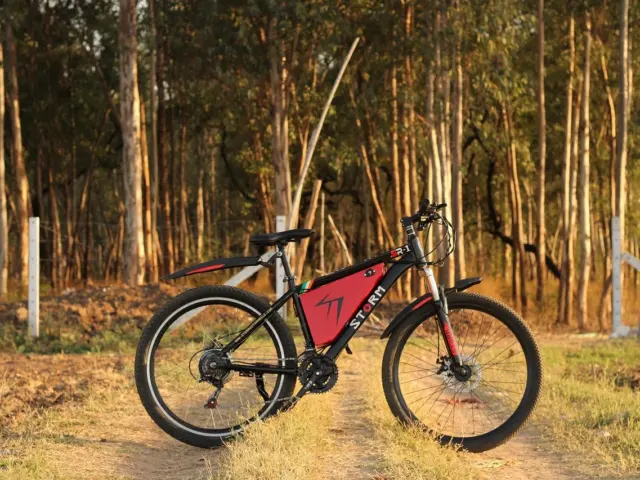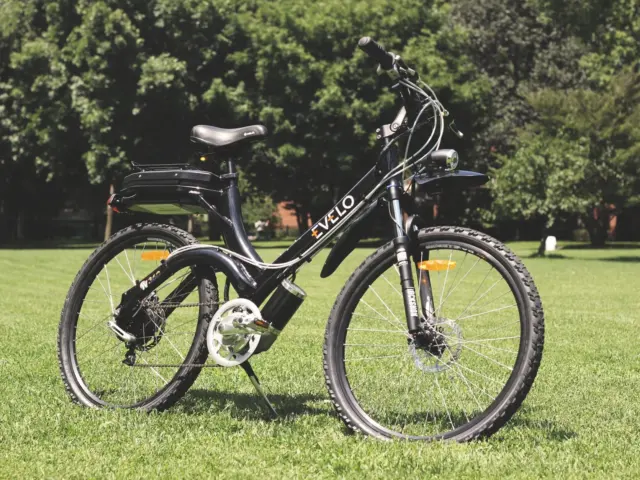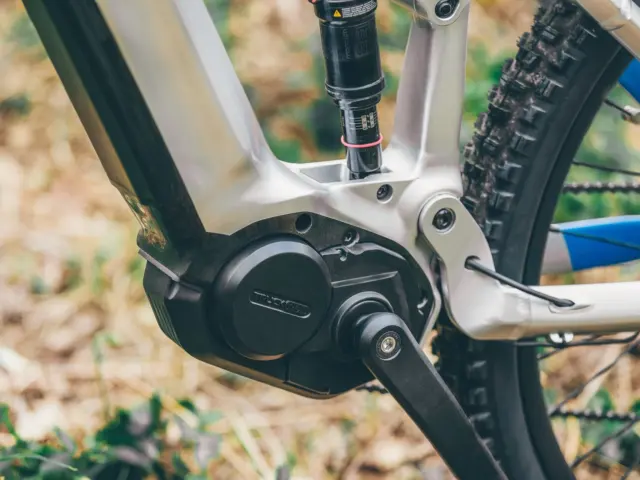
Your ebike motor starts whining and you wonder if it is done. How long do ebike motors last? One manufacturer guide puts life at about 500 to 1000 operating hours, and a noise can point to a worn part rather than a dead motor.
Lifespan depends on the motor layout, how hard it works and which internal part gives out first. For how the two main layouts compare overall, see hub motor vs mid drive. This guide covers lifespan, wear points and the repair-or-replace decision.
Lifespan figures and the beliefs they correct
Fiido and Upway quote motor life in operating hours. The hours figure is a range, not an expiry date. Fiido gives about 500 to 1000 operating hours, and another retailer FAQ says motors can last up to 1,000 hours of use. “Up to” marks a ceiling, so do not plan around the top of the range.
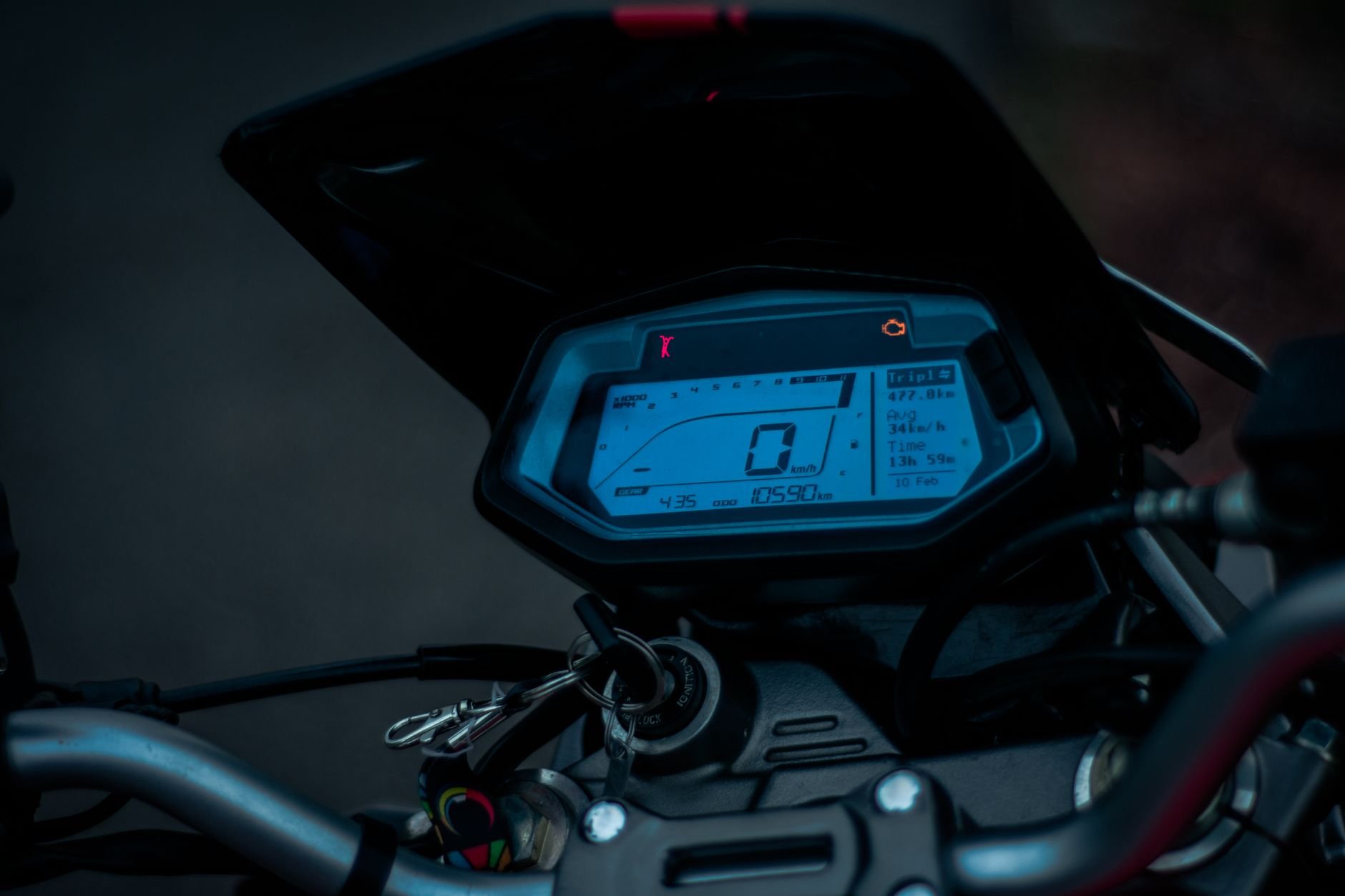
Hours also count differently from ride time. The motor does not run continuously and only assists when you pedal. A rider’s motor hours can therefore be fewer than their hours in the saddle.
| Common belief | What the evidence says | Planning use |
|---|---|---|
| The motor dies at a fixed mileage | Brand guides state hours (about 500 to 1000, or up to 1,000), and one retailer says over 6,000 miles is possible | Treat every figure as a range with conditions, not a countdown |
| The motor is the first part to fail | You will likely replace other components before needing to replace the motor | Budget for wear parts on the rest of the bike first |
| Heavy use makes no difference | More frequent use means more wear, and a 250 W motor is less stressed than a 500 W motor | Daily high-effort riders should expect the shorter end of a range |
| Sealed means maintenance-free | Motors are sealed systems requiring minimal maintenance, not none | Check for noise, play and power loss rather than ignoring the motor |
These figures come from the Fiido motor lifespan guide and the Upway electric bike lifespan page. Both are brand publications, not independent tests.
Motor miles: what brands and owners report
Mileage claims are more optimistic than the hours figures. One brand guide says a quality motor can last 10,000 miles or more with proper care, as stated by FREESKY. The phrase “with proper care” matters, because that figure is conditional.
Owner reports in an electric bike forum thread on Bosch drive unit life show how wide the spread is. Each is a single bike, not a sample.
- Early fault: one owner reports 9,117 miles over 26 months before the drive unit developed a fault.
- Heavy use, no fault: another reports about 11,500 miles in just over two years, though with some play in the crank by then.
- Clean at 10,000 miles: a third reports not one problem with motor or battery at that distance, while a different rider noticed a whining noise at the same mileage.
- Battery first: at 17,500 miles one owner says the only thing ruined was the battery.
The lesson is that an odometer reading alone does not predict failure. A motor that faults near 9,117 miles and one that is fine at 17,500 miles are both within what owners report. Use mileage as a cue to start listening for symptoms, not as a replacement date.
Which motor parts wear first
The first wear sign most owners meet is noise or play. Retailer guidance lists unusual noises, reduced power or malfunction as signs a motor needs service or replacement. Brake pads, by comparison, typically last two to five years depending on usage and conditions, so ordinary wear parts on the bike will often ask for attention before the motor does.
Motor bearings
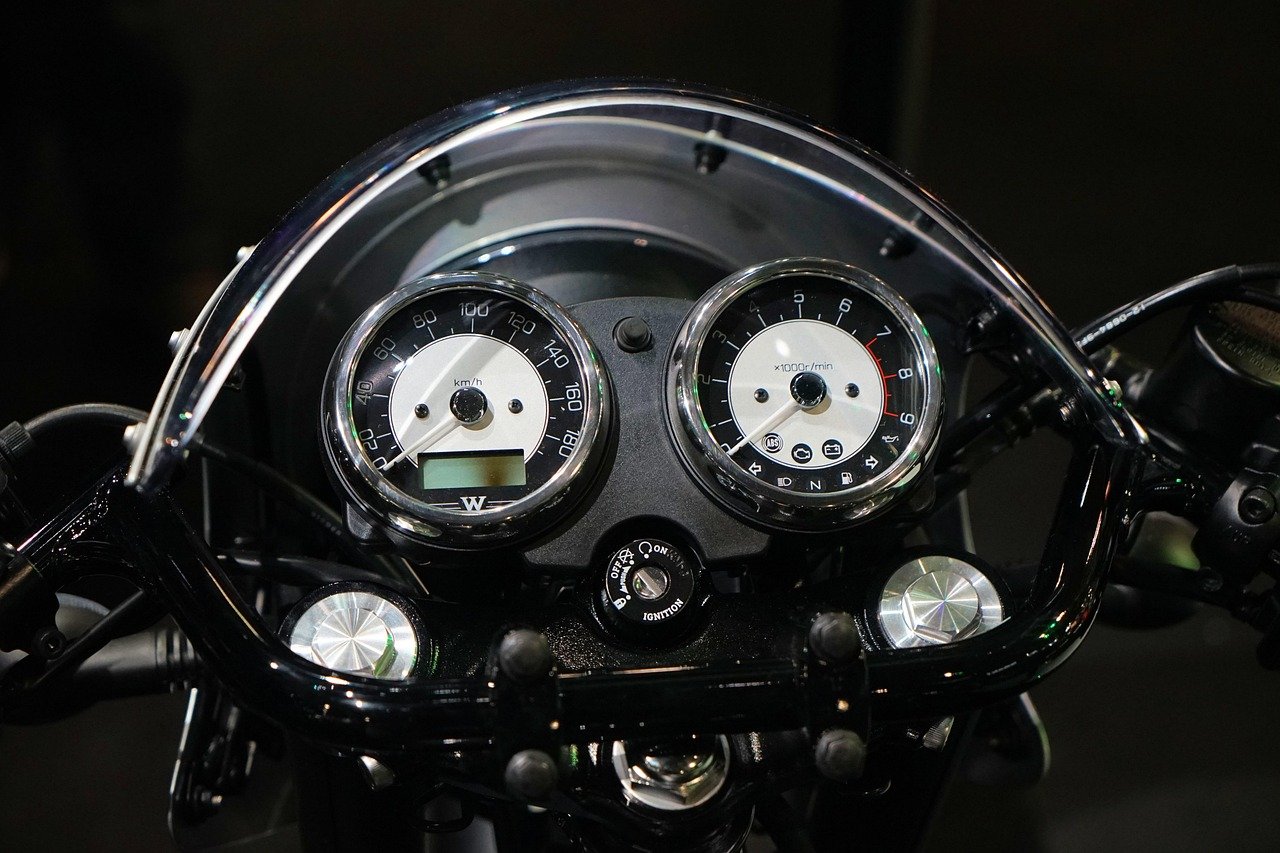
In the forum thread, one rider with about 11,500 miles in just over two years noticed a little play in the crank and expected a bearing replacement. If the manufacturer refused to cover it, the owner said they would replace the bearings themselves. Another rider reported a whining noise at 10,000 miles. The thread does not confirm the cause of that noise, so treat it as a symptom to investigate, not a diagnosis.
Geared hub motor
A geared hub motor sits in the front or rear wheel, as described in the Fiido guide. The gear set that gives it its name is an extra set of moving contact surfaces, so a grinding or whining noise from a geared unit deserves an early look. For the placement question itself, see front hub motor vs rear hub motor.
Mid-drive motor
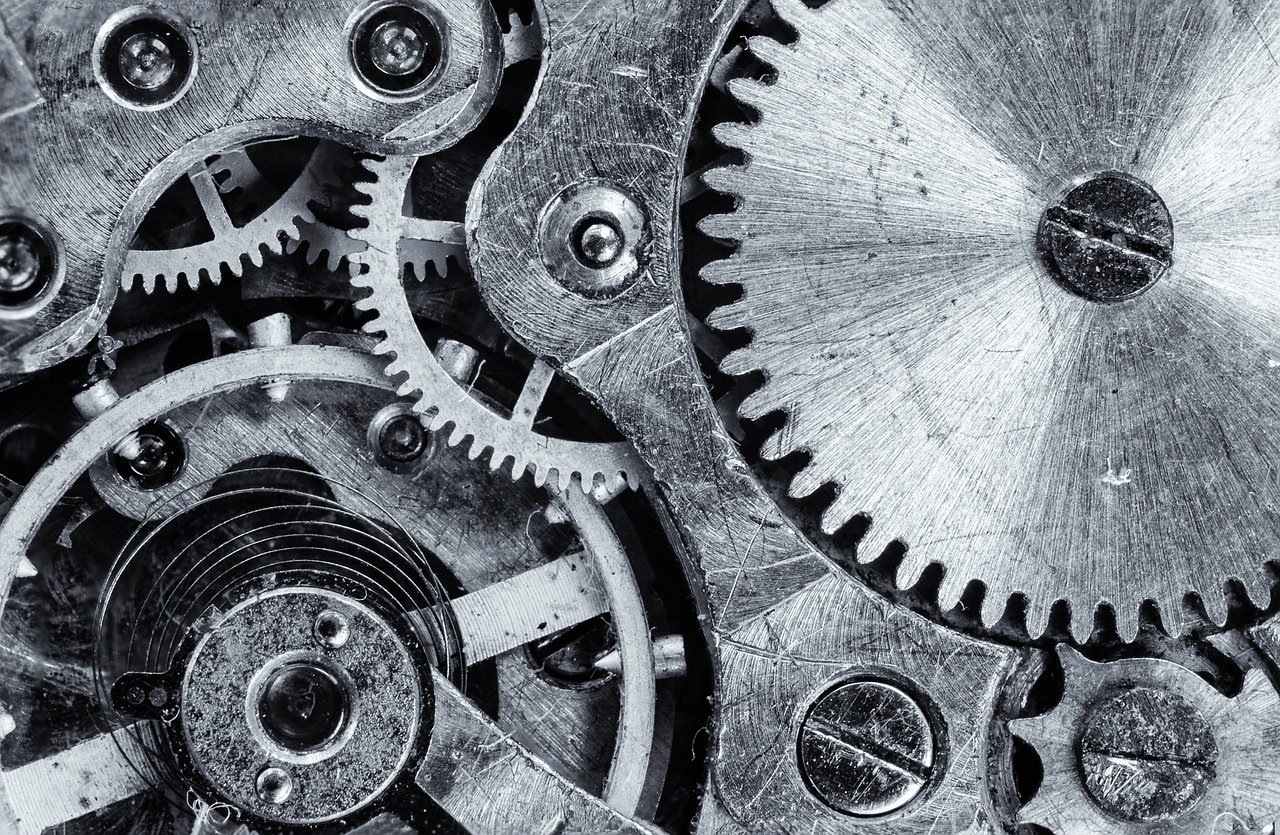
The mid or crankset motor sits at the cranks and offers some key advantages in the same guide. Because it is built around the crank, play or roughness there is a symptom a rider can feel directly. That fits the crank play the forum owner described. The same thread includes a drive unit that developed a fault and was replaced free of charge after the warranty had expired.
Motor seals
Seals keep water and dust away from the bearings and windings. Retailer guidance describes motors as sealed systems requiring minimal maintenance, and FREESKY says its motors are IP65-rated, protected against dust and water. A rating describes protection, not permission to abuse the seal. The same guide advises against a pressure washer for cleaning. Moisture, extreme temperatures and harsh weather can significantly shorten motor life, according to Fiido.
Conditions that shorten motor life
Wear follows workload and environment. Conditions the guides name include:
- Frequent use: the more often an ebike is used, the greater the wear on the motor.
- Higher power: a 250 W motor is less stressed than a more powerful 500 W motor, so heavier riders and hilly routes suit the lower-stress end only if the motor is sized for the job.
- Extreme weather: extreme temperatures and harsh conditions are named as life shorteners.
- Debris: keeping the motor clean and free of debris is the simplest preventive step.
Heat is a topic of its own. For that, see ebike motor overheating.
Repair or replace a worn motor
Repair a motor when the symptom points to one bounded part, and replace the unit when the fault is broad or the warranty will cover it. Work through the decision in this order.
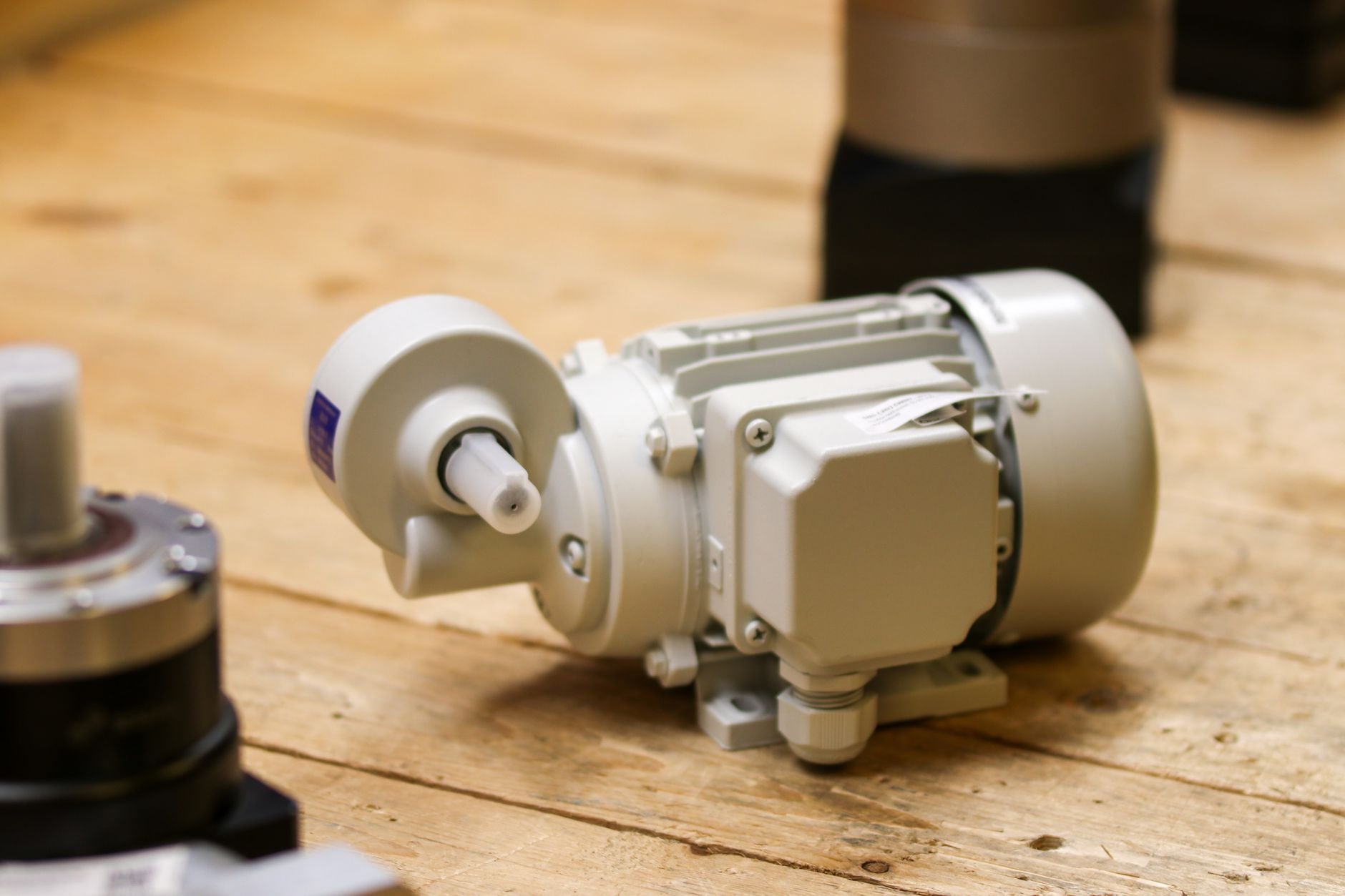
- Check the warranty first. Warranties cover specific components such as the motor, battery and frame for a set period, and the period varies by maker, so read your paperwork before anyone opens the housing.
- Ask about goodwill. One owner on the forum reports a drive unit replaced with a new one free of charge despite being out of warranty. That is a single report, not a policy, but it justifies asking.
- Match the symptom to the fix. Noise or crank play suggests a bearing-level repair, which the forum owner was prepared to do. Reduced power or outright malfunction points to a unit-level problem better handled by replacement or professional diagnosis.
- Replace when repair stops being proportionate. If the quote for repair is close to the price of a new motor, or the same fault returns, a new unit is the safer bet.
Frequently asked questions
| Question | Answer |
|---|---|
| Does the motor run the whole time I ride? | No. Retailer guidance says the motor does not run continuously and only assists when you pedal, so motor hours are lower than ride hours. |
| Is a warranty period the same as the motor’s service life? | No. A warranty covers the motor for a set period set by the maker, while service life figures are stated in operating hours. A motor can outlast its warranty, and goodwill replacements after expiry have been reported. |
| Does an IP65 rating make riding in the rain harmless to the motor? | It means protection against dust and water, but moisture and harsh weather are still named as factors that can significantly shorten motor life. |