Choosing between a front hub motor vs rear hub motor depends on terrain: front suits simple conversions on easier ground, while rear suits climbing, loose surfaces and higher power.
Picture one rider with a flat commute and another with a steep, gravelly route. The same bike can suit the first with a front motor and the second only with a rear one. For how hub motors compare with other layouts, see hub motor vs mid drive.
Decision criteria to work through
Motor position changes five things you can feel or fit: where the driven wheel grips, how weight sits on the frame, how much stress the dropout or fork takes, what happens to your gears, and how hard the conversion is. Work through them in this order, because the first answers usually settle the choice.
- Check your terrain first. Steep or off-road climbing favours the rear wheel. Mostly gentle riding removes that concern.
- Decide the power level. A high-power kit pushes you toward a rear motor, as the comparison below explains.
- Look at where the battery will sit. A rear rack battery changes how balanced a front-motor bike feels.
- Inspect the fork and frame. The front fork and the rear dropouts do not carry the same risk.
- Weigh how much work you want to do. A front-wheel swap is the lighter job, but you must commit to one wheel when you buy.
Front and rear hub motors side by side
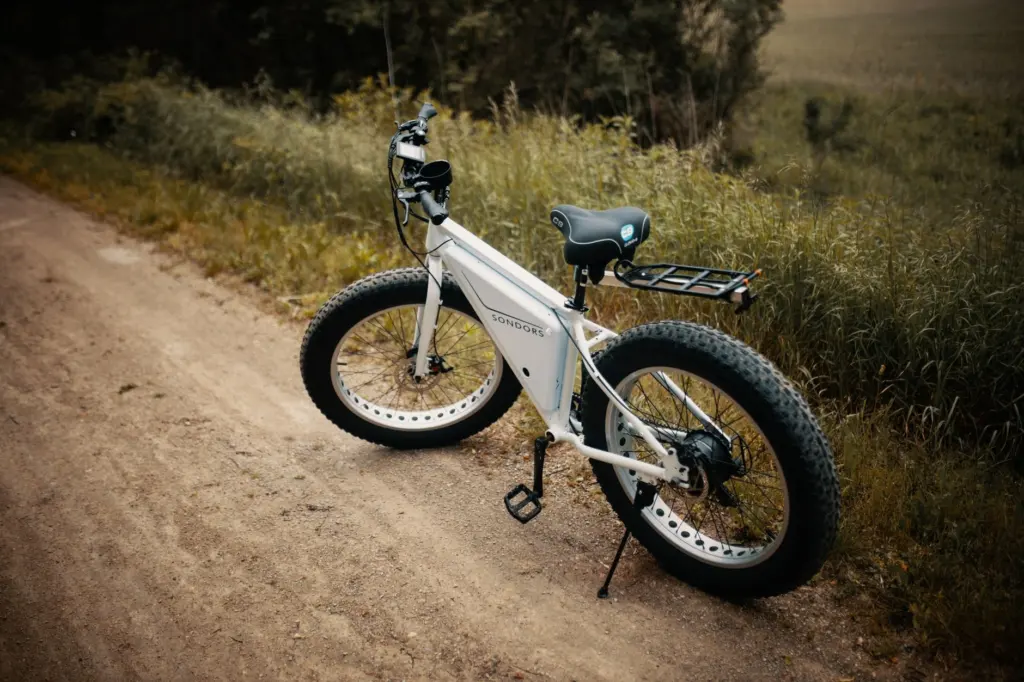
The table sets the two positions against the same criteria. It describes wheel position only, not gearing or motor internals.
| Criterion | Front hub motor | Rear hub motor | Planning use |
|---|---|---|---|
| Conversion effort | Described as the simplest electronic conversion | Kit must be a rear-specific kit | Choose front if ease of fitting matters most |
| Traction on climbs | Front wheel can slip on intense climbs | Better traction for off-road climbing | Choose rear for steep or loose routes |
| Rear gears | Rear pedal gears unaffected | Choice of rear cassettes is limited | Choose front to keep a preferred cassette |
| Weight balance | A rear-rack battery balances the bike better | Motor and cassette sit on the same wheel | Match battery position to motor position |
| Frame stress | Front forks break more easily | Sturdy rear forks are harder to break | Inspect the fork before a front fit |
| High-power kits | Less suited above 500W | Geared rear hub suggested over 500W | Choose rear for high-power builds |
These comparisons come from SYI Motor’s guide to front and rear hub motors.

Traction on climbs and loose ground
A front hub motor drives the front wheel, which is the wheel with the least weight over it on a climb. The same guide notes that the front wheel can slip on intense climbs, and that a rear hub gives better traction for off-road climbing. That is the main reason front hub motor traction problems come up in forums and buyer guides.
When front-wheel slip matters
The slip evidence concerns steep, demanding climbs. A rider on mostly level or gently rolling routes is much less exposed to it. A rider who regularly climbs on gravel, dirt or other loose surfaces should treat the rear motor as the safer choice, because that is where the traction advantage is documented.
A benefit of front drive
The same source describes a front motor as giving full-wheel drive if you pedal, since your legs drive the rear wheel while the motor drives the front. That helps mixed power delivery, but it does not cancel the slip risk on a hard climb.
Weight distribution and handling
Motor position affects balance mainly through what else you load onto the bike. SYI Motor says that if the battery is in the popular and convenient rear rack, a bike with a front motor is more balanced. The weight of the battery then offsets the motor at the opposite end.
The motor itself can be heavy. The same guide says a high-power motor is heavy, at up to 25 pounds, so where it sits matters. That figure is a ceiling for high-power units, not a typical value. Movcan’s motor guide adds that hub motors can sit in either the front or rear wheel hub, and that direct drive versions tend to be heavier than geared ones. The SYI guide likewise says geared designs allow powerful motors in lighter, smaller enclosures.
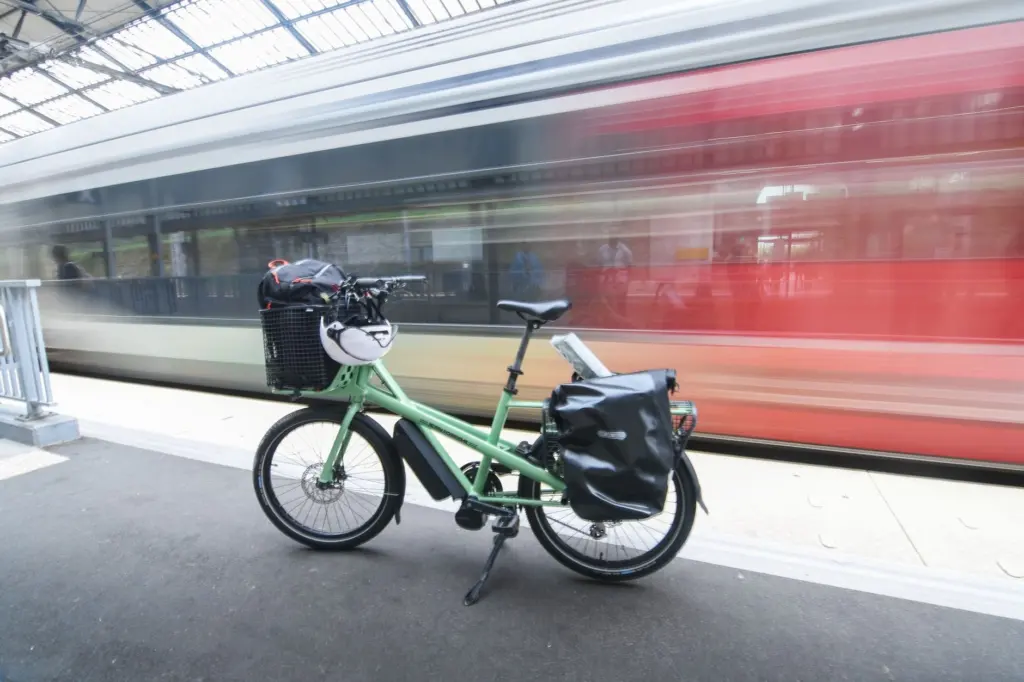
A rear motor combined with a rear rack battery puts both heavy items over the same wheel. That is fine for traction, but it makes the rear of the bike carry the most mass. Pair a front motor with a rear battery, or accept a rear-heavy bike if you want the grip.
Conversion fit, gearing and dropout stress
A front and a rear conversion kit are not interchangeable. SYI Motor states plainly that you cannot use the same kit on the front or back, so the choice is made before you order. It calls the front hub the simplest electronic conversion.
What the rear wheel adds
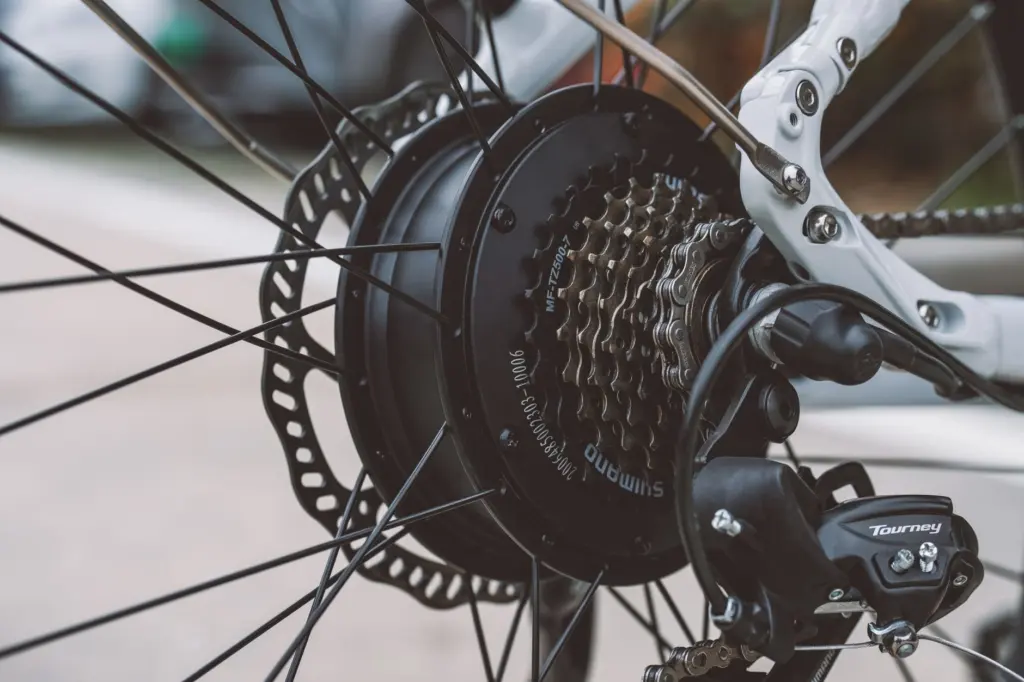
A rear motor shares the wheel with your drivetrain. The guide says your choice of rear cassettes is limited with a rear hub. A front motor leaves the rear pedal gears as clean as if there were no motor, so any existing rear gear setup stays usable. If you have a cassette you like, that alone can decide the matter for a front conversion.
Dropout and fork stress
The front fork is the weaker mounting point. The same source notes that sturdy rear forks are harder to break than front forks, which counts against a heavy or powerful motor at the front. If your front fork is light or you plan a high-power kit, inspect the fork before committing.
Power matters here too. SYI Motor advises a geared rear hub motor if you plan to install a high-power motor, over 500W. For the difference between geared and direct designs, read geared hub motor vs direct drive. Durability over time is a separate topic, covered in how long do ebike motors last.
Which suits which rider
Neither position wins everywhere. One e-bike forum summary puts it simply: each motor position has pros and cons. The better choice follows your riding.
- Choose a front hub motor if you want the simplest conversion, wish to keep your rear cassette, and ride mostly gentle terrain. Add a rear battery to balance the bike.
- Choose a rear hub motor if you climb steeply, ride off-road, or want a high-power setup. Accept the limits on cassette choice.
For a front hub ebike conversion on a bike you already ride, the gearing and fork checks above are the two that most often change the answer.
Frequently asked questions
| Question | Answer |
|---|---|
| Is there a single best hub motor position? | No. Each position has pros and cons, so the right one depends on terrain, power level, battery placement and how much fitting work you accept. |
| What must I tell a seller when ordering a conversion kit? | Specify whether you want front-wheel or rear-wheel drive, since the two kits are different products. |
| Are direct drive hub motors heavier than geared ones? | Yes. Movcan notes that direct drive hub motors tend to be heavier than geared motors. |
| Does a front motor change my rear gears? | No. The rear pedal gears stay as they were, so any rear gear system remains usable. |