Geared hub motor vs direct drive is mainly a trade of weight against wear: geared motors are smaller and lighter for a given power, while direct drive is nearly silent with little to wear but needs a larger, heavier motor for equal torque.
Picture a rider choosing a wheel for a commuter bike. Light handling matters, and so does a quiet ride. Those two wishes pull in different directions, and this comparison shows where each design wins. The wider choice between hub and crank placement is covered in hub motor vs mid drive. This page stays inside the hub: gearbox or no gearbox.
Decision criteria in order of importance
Work through these criteria in order. Each one narrows the choice before you look at a specific model.
- Motor weight. A geared motor uses an internal gearbox to multiply torque, so the motor itself can be smaller and lighter for a given power output, according to HPC’s explanation of hub, mid-drive and direct-drive motors. A direct drive motor has to be physically larger and heavier to produce the same torque. If you will lift the bike, carry it upstairs or care about wheel mass, start here.
- Noise tolerance. Direct drive is nearly silent. Geared motors add a faint gear whine that most riders barely notice. Only a rider who is sensitive to sound should let this decide the purchase.
- Wear and long-term upkeep. Direct drive has very little to wear out mechanically inside the motor. A geared motor accepts a bit more internal wear in exchange for its size advantage. This is the criterion that favours direct drive for riders who want a motor they will not open.
- Terrain and riding style. Geared motors run at a higher motor speed and use that to deliver acceleration and torque. Direct drive tends to appear on speed-focused builds. Match the motor to your riding rather than to a general reputation.
- Specification details to request. Ask the seller for the gear material and the clutch design of any geared motor. These details decide how the wear and coasting behaviour play out on a particular model.
Side-by-side comparison
The table puts both designs on the same criteria. Read the final column as a prompt for your own priorities, not as a score.
| Criterion | Geared hub motor | Direct drive hub motor | Planning use |
|---|---|---|---|
| Gearbox | Internal gearbox multiplies torque; motor gear meshes with three plastic planetary gears that are larger than the motor gear | No gearbox; the wheel spins one-to-one with the motor | Decides whether any gear parts exist to wear |
| Size and weight | Smaller and lighter for a given power | Larger and heavier to match the same torque | Favours geared for handling and lifting |
| Noise | Faint gear whine | Nearly silent | Favours direct drive for quiet rides |
| Internal wear | More internal wear; the gears tend to wear out faster | Very little to wear out mechanically | Favours direct drive for low upkeep |
| Motor speed | Higher motor speed, giving acceleration and torque | Turns at wheel speed | Geared suits stop-and-go riding |
| Typical use | General riding where weight matters | Speed-focused builds | Pick by your main ride |
These comparisons draw on HPC’s overview of motor types and Ebikeling’s guide to direct drive and geared motors.
Geared hub motors
Planetary gears and the reduction stage
Inside a geared hub motor, the small motor gear drives three plastic planetary gears that are larger than the motor gear itself, as the Ebikeling teardown-style description explains. That reduction lets the motor spin quickly while the wheel turns slowly, which is where the extra torque comes from. A geared motor has one fixed gear ratio, so it cannot shift to suit the road. Himiway’s comparison of geared hubs and mid-drives notes that this single ratio means hilly or mountainous terrain is not handled as efficiently as with a mid-drive motor.
Noise and wear in practice
Plastic gears are quiet and light, but the same source says the gears tend to wear out faster than a gearless design. The vendor view is that the cost is a bit more internal wear and a faint gear whine most riders barely notice. Himiway adds that geared hub motors are not as loud as most mid-drive motors, so the whine is a modest drawback compared with other motor types. If you choose geared, treat the gears as the part most likely to need attention and ask what they are made of.
Direct drive hub motors
Stator, rotor and the gearless layout
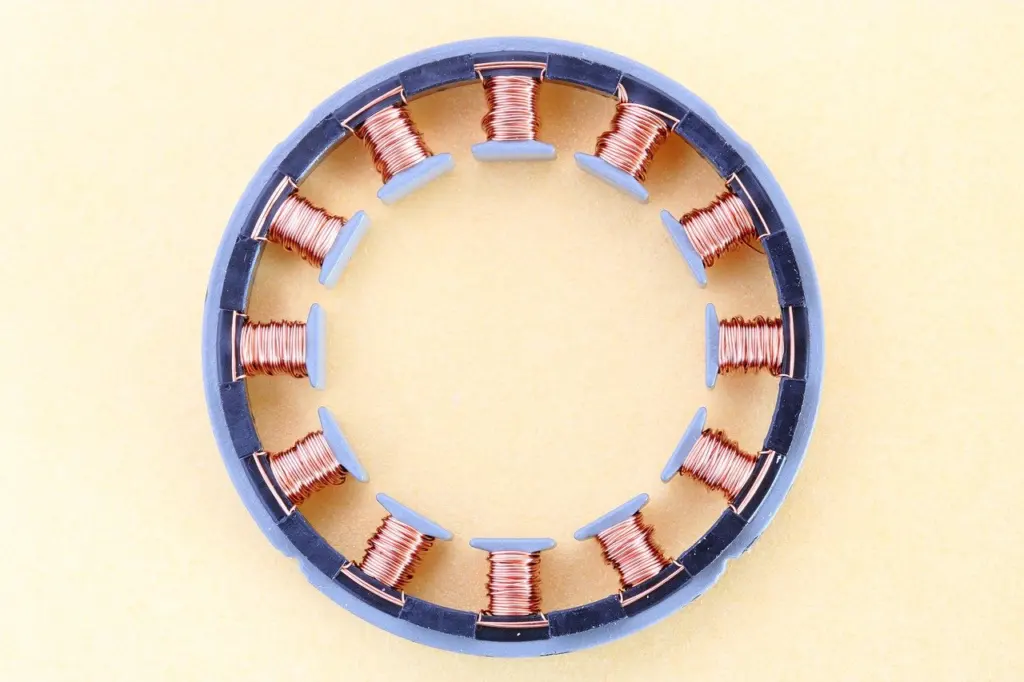
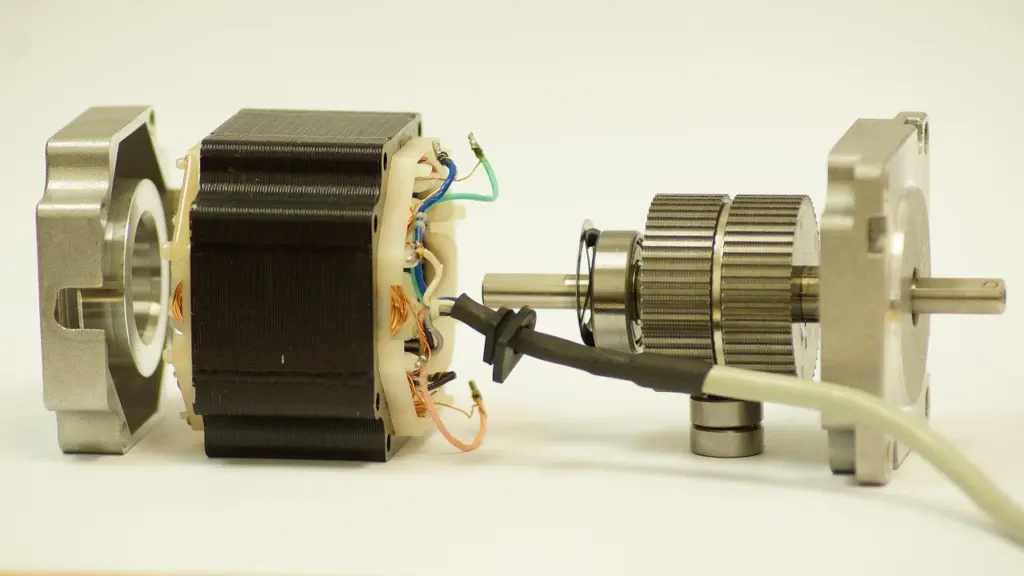
A direct drive motor skips the gearbox entirely. Its stator consists of the axle, which passes through the middle of the motor, and the copper windings. The magnet rotor turns around that stationary core and spins the wheel one-to-one. With no gear teeth meshing, the main sound and wear sources of the geared design are absent.
The weight penalty
The price of removing the gearbox is mass. A direct drive motor needs to be physically larger and heavier to produce the same torque as a geared one. For a bike that stays on the ground and rolls, that cost is easy to accept. For a bike that is lifted often, it counts against the design. Compare the stated weights of specific models, because the sources describe the difference only in general terms.
Hills, speed and coasting
Direct drive is not automatically better for hills. The vendor description is that direct-drive hub motors tend to show up on speed-focused builds, which points away from technical climbing. A geared motor’s high motor speed and torque multiplication favour acceleration. Neither hub design changes gear ratio on the move, so a steep, sustained climb is where a hub motor of either type is most limited. The mid-drive alternative is discussed in hub motor vs mid drive.
Coasting and braking deserve their own questions to the seller. Because a direct drive rotor turns with the wheel one-to-one, the motor is part of the wheel’s motion whenever the bike rolls. A geared hub places a gear train between motor and wheel. Ask how each model behaves when you stop pedalling, and whether it supports regenerative braking, before you rely on either trait. Request the clutch design along with the gear material.
Which design suits which rider
- Choose geared if weight, a compact motor and quick acceleration matter most, and you accept a faint whine and gears that may need replacement eventually.
- Choose direct drive if you want a nearly silent motor with very little to wear out inside, you ride for speed, and the extra size and weight are acceptable.
- Look elsewhere if your routes are steep or mountainous, since a single fixed ratio is the limit the evidence highlights for hub motors on that terrain.
Wheel position is a separate decision from gearing. See front hub motor vs rear hub motor for that choice. For the basic mechanics behind both designs, read how does an ebike hub motor work.
Frequently asked questions
| Question | Answer |
|---|---|
| What is the difference between a geared and direct drive hub motor? | A geared hub motor uses an internal gearbox to multiply torque, while a direct drive motor has no gearbox and spins the wheel one-to-one. |
| Which type is quieter? | Direct drive runs quietly and has few internal parts to wear. Geared designs add a light gear hum that most riders hardly register. |
| Are direct drive hub motors better? | It depends on the priority. They have very little to wear out and run quietly, but must be larger and heavier for the same torque. |
| Are direct drive hub motors better for hills or for speed? | Vendor descriptions place them on speed-focused builds rather than technical climbing. |
| Do geared hub motors wear faster? | Their gears tend to wear out faster than a gearless design, which is the main upkeep cost of the geared type. |