Your bike has a wheel you would rather not swap, yet you want motor assist. A friction drive electric bike conversion kit presses a motor roller against the tyre instead, so it can fit; expect caveats around rain and tyre wear.
If you are still choosing between approaches, the wider bicycle electric conversion kit guide explains the main kit types. This page covers the niche roller design and the misunderstandings that surround it.
How a roller drive works
A friction drive uses a small motor with a roller that presses on the bicycle tyre and turns the wheel through contact with the rubber. The roller motor never touches the hub, spokes or chain, so the wheel and drivetrain stay as they were.
CLIP, a maker of clip-on units, describes a 450 W motor with smooth acceleration up to 15 mph. That is one maker’s rating for a light commuter unit, not a universal figure for every friction kit.
The motor controller is the electronics that manage the motor, and it matters more here than people expect. It is the part forum users report failing after water exposure, which is covered in the rain section below.
Friction drive versus hub motor
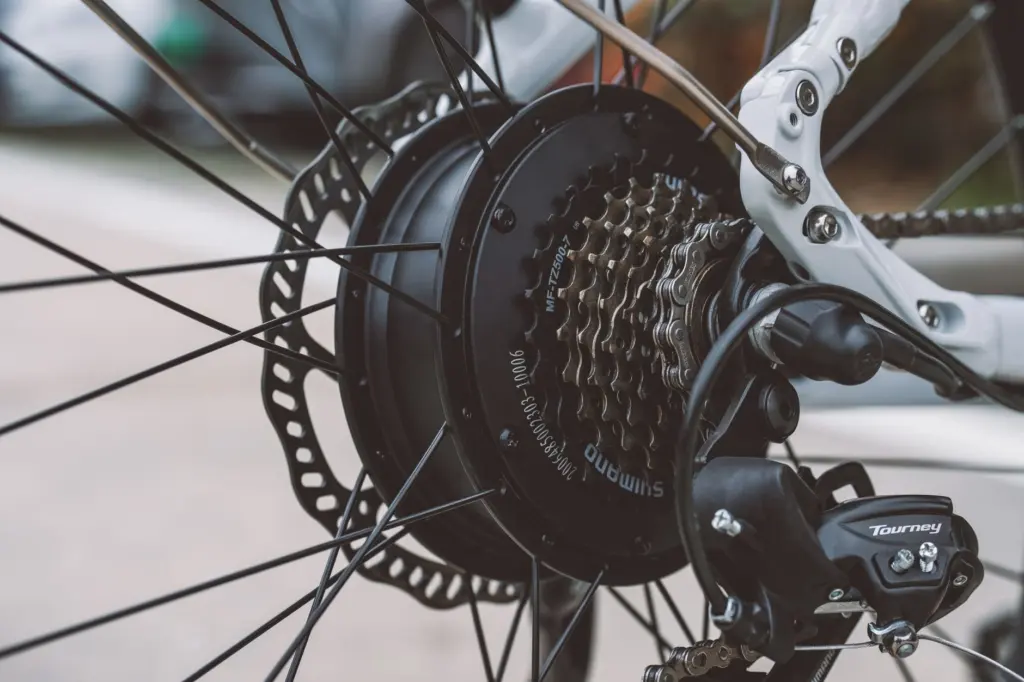
The practical difference is where the drive acts: a friction drive pushes on the tyre, while a hub motor sits inside a replacement wheel. That decides fitting effort, which bikes are suitable and where wear lands.
| Criterion | Friction drive | Hub motor | Planning use |
|---|---|---|---|
| Wheel | Keeps your existing wheel; the roller presses on the tyre | Motor is built into a wheel that replaces yours | Choose friction if the original wheel or dropouts rule out a hub wheel |
| Fitting | Clip-on models such as CLIP state no tools are needed; forum users describe other friction kits as needing extra wiring | Described by forum users as pretty easy, especially at the front: just replace the wheel | Check whether your kit is a clip-on unit or a wired installation before buying |
| Driving contact | The tyre surface carries the drive load | The drive sits inside the wheel, not on the tyre | Expect the tyre to be a consumable with friction drive |
| Removal | CLIP says the unit is easy to remove and take with you | Wheel stays on the bike | A removable unit helps if you park outdoors |
Fitting and removal details come from CLIP’s product page and a CycleChat discussion of friction drive kits.
If your bike can take a replacement wheel, a hub motor is the simpler route, and the front hub vs rear hub ebike conversion comparison helps you pick the wheel position. Friction drive earns its place only when the wheel swap is the obstacle.
Fitting without changing the wheel
Yes, a friction drive can fit without changing the wheel, but only on suitable bikes. CLIP says its unit is compatible with city, road and hybrid bikes that have a 27 in to 28 in front tyre, and that the patented attachment works with nearly all commuter, road, hybrid and shared bikes, according to the maker’s product page.
The same page promotes an instant upgrade with no tools required. That is a maker claim about its own clip-on design, so do not assume every roller kit installs the same way.
Tyre size is the first fit check, because the roller has to meet a tyre it was designed for. Frame and fork hardware is the second check, since a clip-on unit has to find clearance around what is already there.
Tyre wear and tyre choice
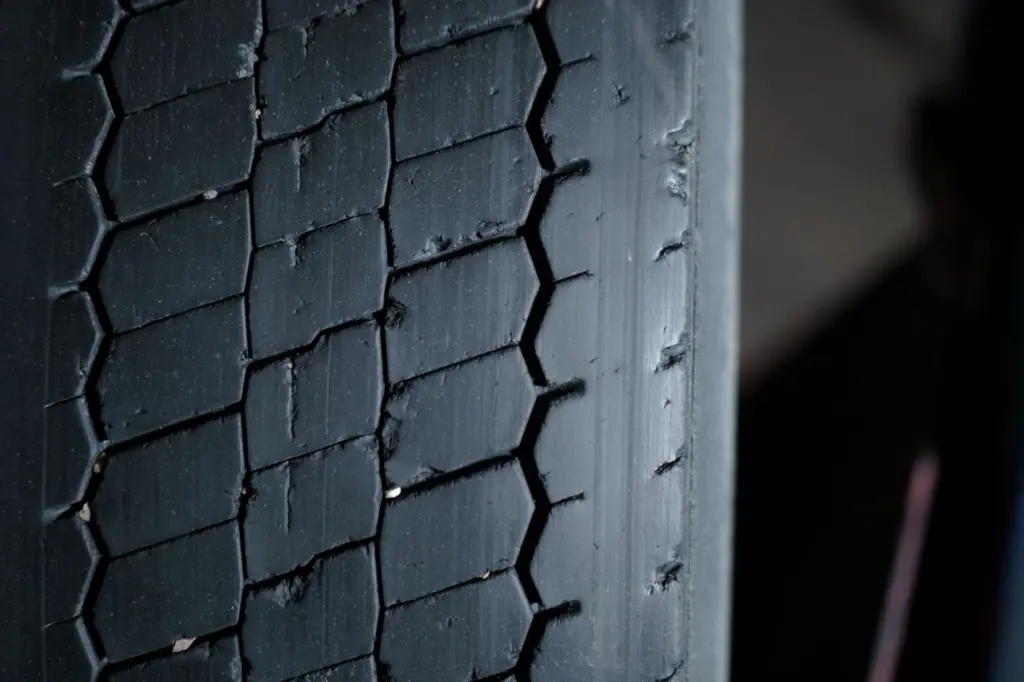
Friction drive does put the load on the tyre, and users disagree about how well it copes. One CycleChat poster wrote that such kits “either shred the tyre, cannot transfer a useful amount of power, or most often, both.” That is a forum opinion with no measured wear figure, so treat it as a warning rather than a rate.
The sensible reading is that tyre condition becomes part of the drive. A worn or damaged tyre affects the one surface the roller depends on, so plan to inspect the tyre more often than you would on a hub-motor bike and budget for replacing it sooner.
Rain and the motor controller
Friction drive is best treated as a dry-weather add-on unless the maker documents weather protection. The clearest evidence is a user report on Electric Bike Review’s forum that “water killed the controllers” on friction kits after rain exposure.
That is a single reported failure pattern, not a lab result. It does point to the motor controller as the part to ask about before buying: where it sits, how it is shielded and whether the maker states any wet-weather limits.
A roller that works by rubber contact also depends on that contact staying consistent, so a wet tyre is a reasonable caution. If your commute cannot avoid rain, a hub motor is the safer default.
Power, weight and price
Friction kits are light and modest in power, and they are not automatically cheap. The figures below are from one maker’s range and one forum report, so use them as examples rather than an industry average.
- CLIP Commuter: $499, 8.8 lb, up to 6 miles of range and a 96 Wh battery, per CLIP’s product page. It suits short, flat hops.
- CLIP Explorer: $599, 9.8 lb, up to 12 miles and a 192 Wh battery on the same page. It suits longer commutes where the extra battery capacity matters.
- Qiroll H70 claim: a forum user noted its most powerful motor is still only 320 watts with a supposed top speed of 30 mph. Treat that speed with scepticism.
- Petrol friction kits: the roller idea also appears on engine kits, such as a 38cc kit listed on BikeBerry at $319.95, or $239.97 on sale. These are a different product from electric conversions.
Against hub kits, the same forum thread reports that friction drives “can end up costing as much as a standard E Bike kit.” Choose friction for fit, not for savings.
Who a friction drive suits
A friction drive suits a rider who wants light, removable assist on a bike that cannot take a hub wheel, and who accepts dry-weather riding and tyre care. It is a poor match for wet-climate daily commuting or for riders who expect hub-motor torque.
If you are comparing options across the whole market, the best electric bike conversion kits guide sets friction drive against more conventional choices.
Frequently asked questions
| Question | Answer |
|---|---|
| Can I take the unit off when I park? | On CLIP, yes. The maker says the unit is easy to remove and take with you, which avoids leaving the motor and battery on a locked bike. |
| Which bikes should not get a CLIP unit? | CLIP asks owners not to upgrade cargo bikes or bikes with front suspension. Its listed compatibility is city, road and hybrid bikes. |
| Will a friction drive work with knobbly mountain-bike tyres? | Forum users say it does not. One Electric Bike Review poster wrote that you cannot make a friction drive work with mountain bike knobbies, so a smoother road or hybrid tyre is the safer match. |