Quick answer: Learning how to choose an ebike conversion kit starts with measuring: the frame, dropouts, wheel size and brakes decide what fits, and only then do motor power, battery and controls matter.
For the wider picture of kit types, the bicycle electric conversion kit overview is the place to start. Once the measurements below are written down, the next question to settle is will an ebike conversion kit fit my bike, which takes the same numbers further.
What a kit contains and what to decide first
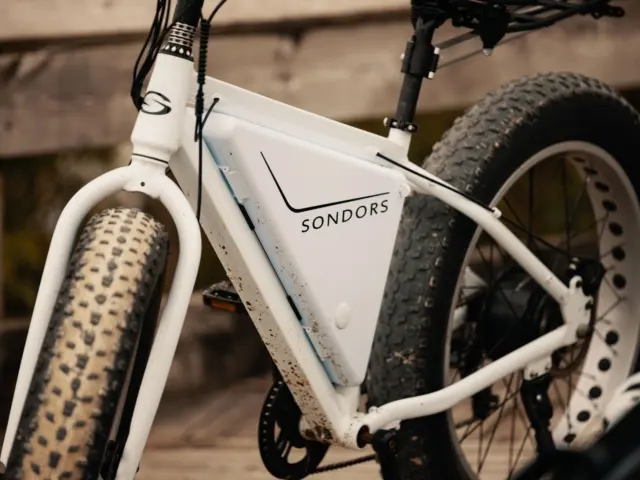
A conversion kit typically consists of a motor, a battery and various electronic components, according to Bikeberry’s conversion kit guide. Each of those parts raises a separate decision, and the order matters because the first group can rule a kit out before the second group is even relevant.
- Fit decisions come first. Frame dimensions, dropout width, wheel size and brake type are physical. A kit that fails any of them cannot be fixed by choosing a better motor.
- Performance decisions come second. Motor power and battery capacity determine how the bike climbs and how far it goes, and they can be traded against budget.
- Control decisions come third. Throttle, pedal assist or both changes how the bike feels and how quickly the battery is used.
- Budget closes the loop. The kit price is only part of the total once battery cost and any matching parts are counted.
The sections below follow that order, so the checklist can be worked through from top to bottom before anything is added to a basket.
Compatibility checks before ordering
Every kit has to align with the bike’s existing components, which is why Bikeberry advises measuring the frame and confirming the match with brakes and gears first. Treat the checks below as a gate: a single mismatch is a reason to pause the order.
Frame size and rider fit
Measure the frame’s dimensions to ensure a seamless fit. Magicycle’s sizing guidance says the first step in sizing should be an inseam measurement, which tells the rider whether the bike is the right size to carry a motor and battery comfortably. Frame size is often stamped on the bike. If the stamp shows a pair of figures, the smaller is in inches and the larger in centimeters, according to Magicycle. Note both the stamp and your own measurements before comparing with kit listings.
Dropout width
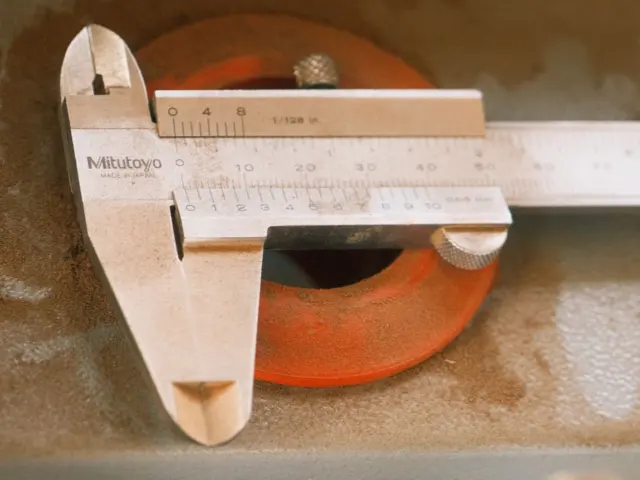
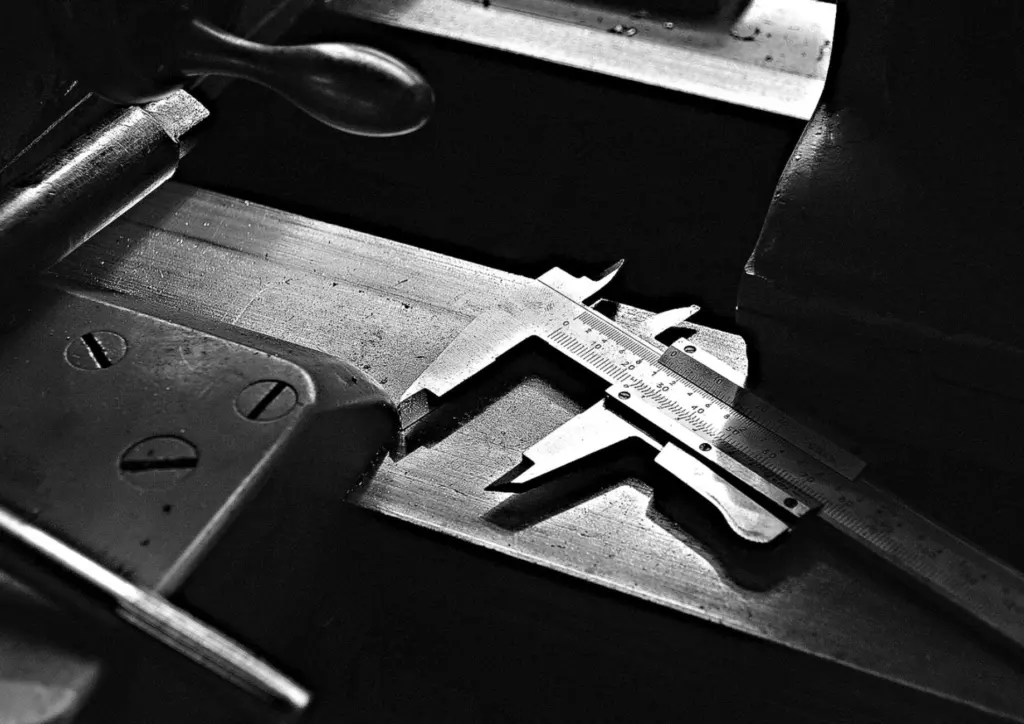
Dropout width is the gap in the frame or fork that the motor’s axle has to sit in, so it is the measurement most likely to stop a hub motor from fitting. Measure the gap on the actual bike with calipers or a rule rather than assuming from the bike’s age or type, then compare it with the spacing the kit listing states. If the figures do not match, choose another kit instead of planning to force the axle in.
Wheel size
Adult e-bike models are equipped with 26-inch, 27.5-inch or 29-inch wheels, as Magicycle describes them. A wheel-based kit has to be ordered in the size the bike already uses, so read the size from the tyre sidewall and write it down before browsing listings. That one figure removes a large share of options immediately.
Brake type
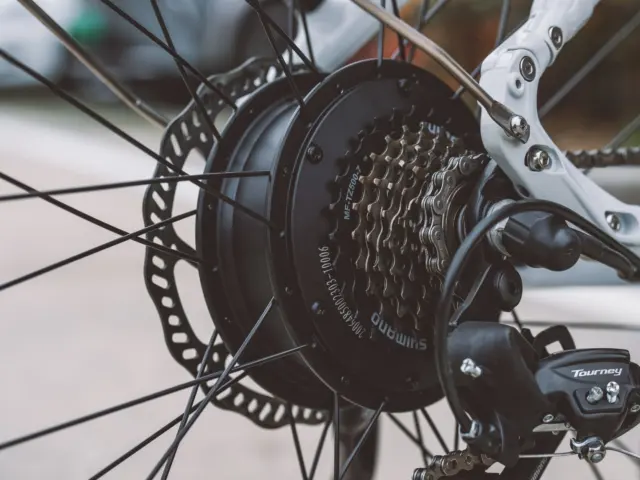
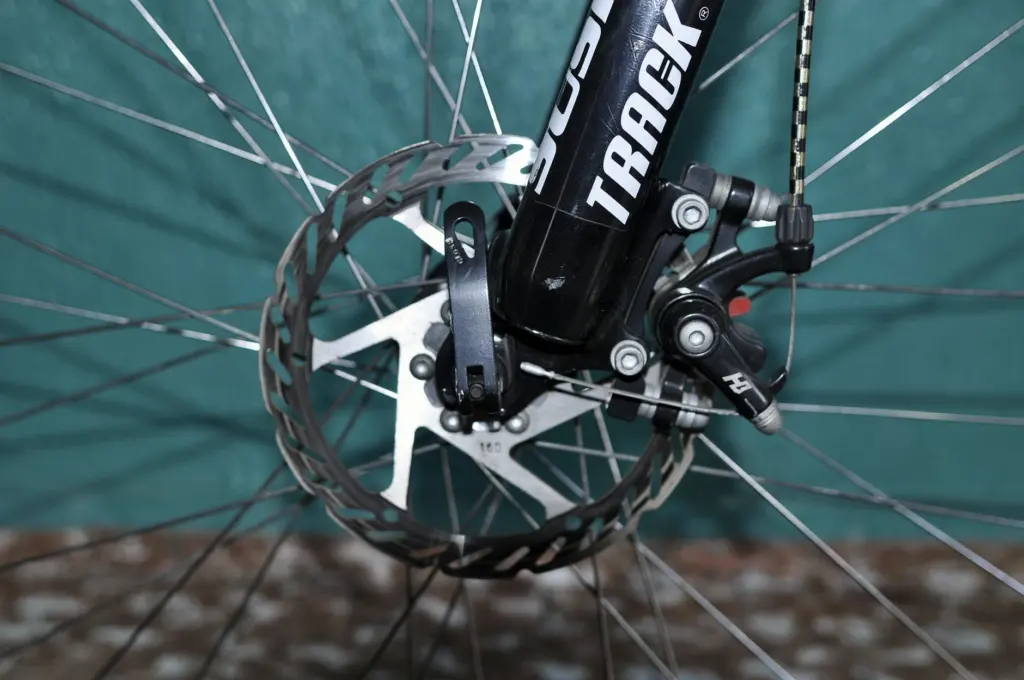
The kit you choose has to align with the bike’s existing brakes and gears. Identify whether the bike has disc brakes or rim brakes, and check the kit’s description for the same arrangement, since the wheel that carries the motor also carries the braking surface or the rotor mount. Gears deserve the same check, particularly on a bike whose drivetrain is already unusual.
Motor power and battery
Higher wattage motors generally offer more power, enabling the rider to tackle steeper inclines, per Bikeberry. That makes motor power a hill decision: a rider on flat routes has less reason to pay for more of it, while a rider facing steep climbs benefits most. Check any rules on motor power and assisted speed where the bike will be ridden before buying, because a rating on a box is a manufacturer figure, not legal clearance.
Battery capacity and voltage
The lithium-ion battery is the part that sets range and a large share of the cost. Capacity is expressed as voltage and amp-hours together. Treat that as a manufacturer claim, not a promise. Terrain, rider weight and pedal-assist use can all influence the actual range, as Bikeberry points out. A heavier rider on hilly routes should therefore lean toward the larger capacity in a kit’s range of options, and a short flat commute can sensibly take less.
Space for the battery
Check where the battery will physically go before ordering. A frame triangle with enough clear space can carry a frame-mounted pack, and the bike’s existing bottle bosses may be useful for mounting. A pack placed along the frame tube keeps weight low and central.
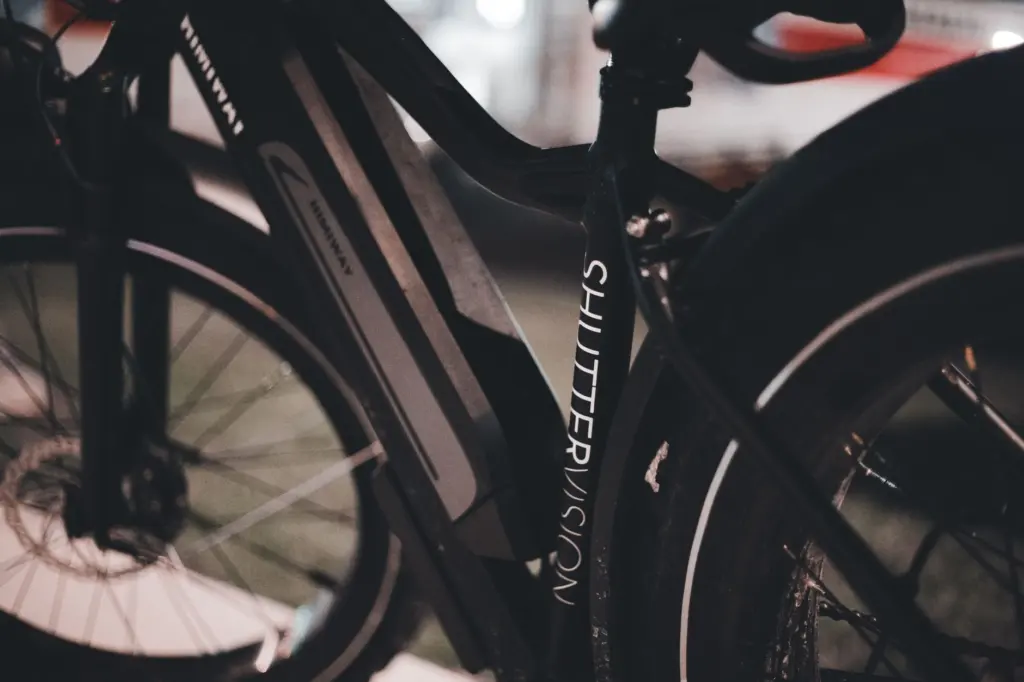
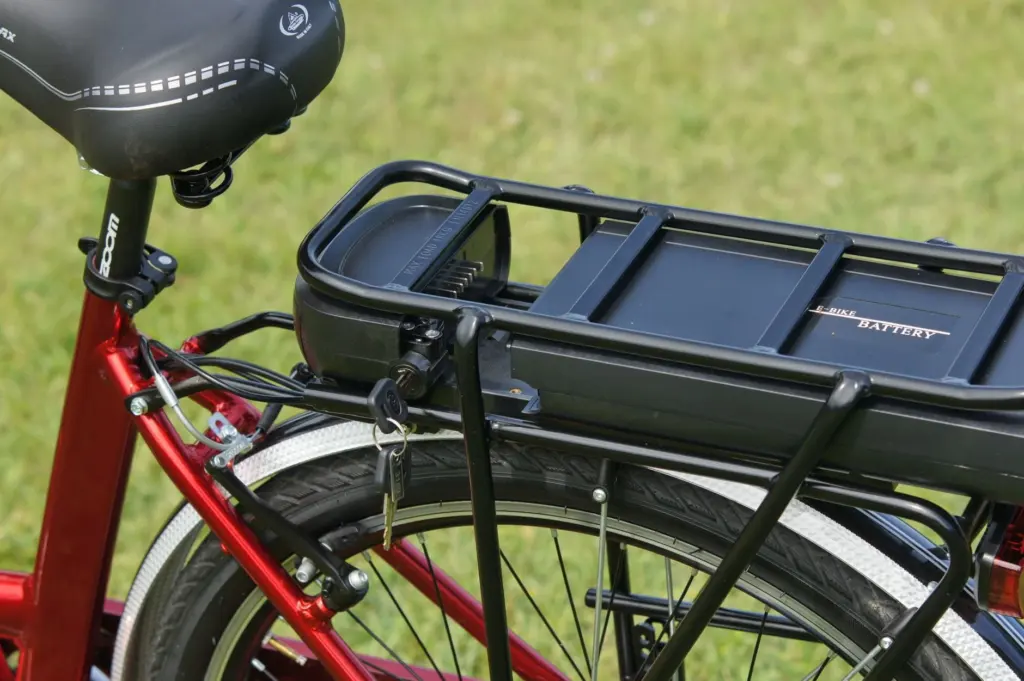
If the frame cannot take a pack, a rack-mounted case is the common alternative, although it needs a suitable rear rack and changes how the bike carries its load.
Throttle, pedal assist or both
Pedal assist suits riders who want the motor to follow their own effort, and a throttle suits riders who want power without pedaling. Many kits and e-bikes offer both. Magicycle lists its Cruiser Pro as supporting pedal assist and throttle with a top speed of 28 mph. The pedal assist sensor is what separates one assist feel from another, so it is worth choosing deliberately.
| Option | How it behaves | Planning use |
|---|---|---|
| Cadence sensor | Delivers the full power assigned to the selected assist level once the cranks turn, regardless of effort | Suits riders who want steady, predictable help and do not mind less feel for pedaling effort |
| Torque sensor | The harder the rider pushes, the more assistance the motor provides | Suits riders who want the motor to respond to effort, as in a natural-feeling ride |
| Throttle plus pedal assist | Both control methods are offered on kits such as the Cruiser Pro | Suits riders who want the option of power without pedaling as well as assisted riding |
Sensor behavior is described by Leoguar, and the throttle option on the Cruiser Pro comes from Magicycle.
Assist levels matter for range as well as feel. Most bikes offer 3 to 5 levels, often labeled Eco, Tour, Sport or Turbo, and riding at the highest level can reduce total range by 50% or more compared with Eco mode, according to Leoguar. A rider who wants long range should favor a kit with a sensible low-level option and use it by default.
Total budget including extras
Budget for the whole system rather than the headline kit price. Because a kit usually includes the motor, battery and electronics, the battery is often the single most expensive replacement later. As one reference point, Magicycle lists a replacement 52V Cruiser battery at $599.00. That figure is one manufacturer’s listing, but it shows why battery cost deserves a place in the plan.
- Parts to match the bike. If the brakes or gears do not align with the kit, budget for whatever changes are needed or pick a different kit.
- Capacity that fits the riding. Hills, heavier riders and frequent high assist all use more of the battery, so the larger pack can be the cheaper choice over the long run than replacing a pack that is regularly drained.
- Shortlisting after measuring. With the fit numbers fixed, comparing the best electric bike conversion kits becomes a matter of filtering rather than guessing.
Troubleshooting a shortlist
Most problems at this stage trace back to a measurement or a mismatched expectation. These are the usual symptoms and what they point to.
- Every kit seems to fail the fit check. Recheck the dropout gap and wheel size on the bike itself, then look for kits that state their requirements plainly.
- The kit looks right but the brakes are in question. Confirm whether the bike has disc or rim brakes and compare that with the kit’s description before ordering.
- A motor seems underpowered for local hills. Higher wattage generally gives more power for steeper inclines, so move up the power range rather than relying on a higher assist level alone.
- Range falls short of the advertised figure. Advertised range is a manufacturer claim. Terrain, rider weight and assist mode all change it, and heavy use of the top assist level costs the most.
- The assist feels abrupt. A cadence sensor gives full level power as soon as the cranks turn, so a torque sensor is the option to look at if smoother, effort-based help is preferred.
Frequently asked questions
Where should I begin measuring?
Begin with the rider’s inseam, then the frame, as Magicycle suggests. Dropout width, wheel size and brake type follow once the bike’s overall size is clear.
Does a conversion kit include a battery?
Typically yes. Kits usually consist of a motor, a battery and electronic components, though each listing should be read for exactly what is supplied.
Will a higher-wattage motor help on hills?
Generally yes, because higher wattage gives more power for steeper inclines. Riders on flat routes have less need of it.
How many assist levels should a kit offer?
Most bikes offer 3 to 5 levels, often labeled Eco, Tour, Sport or Turbo. Pick a kit whose lowest levels suit everyday riding, since the highest can cut range sharply.