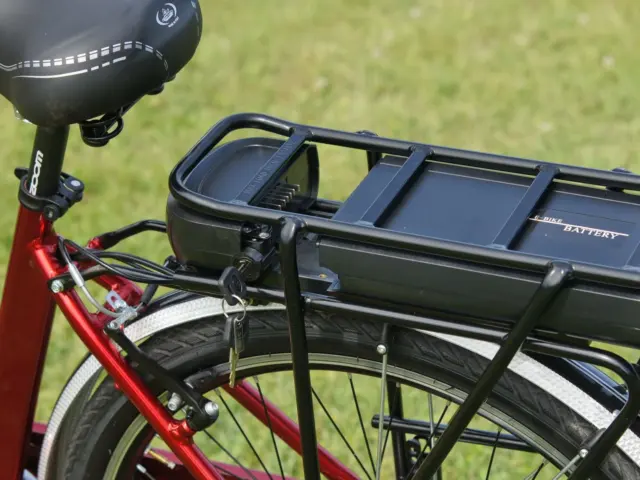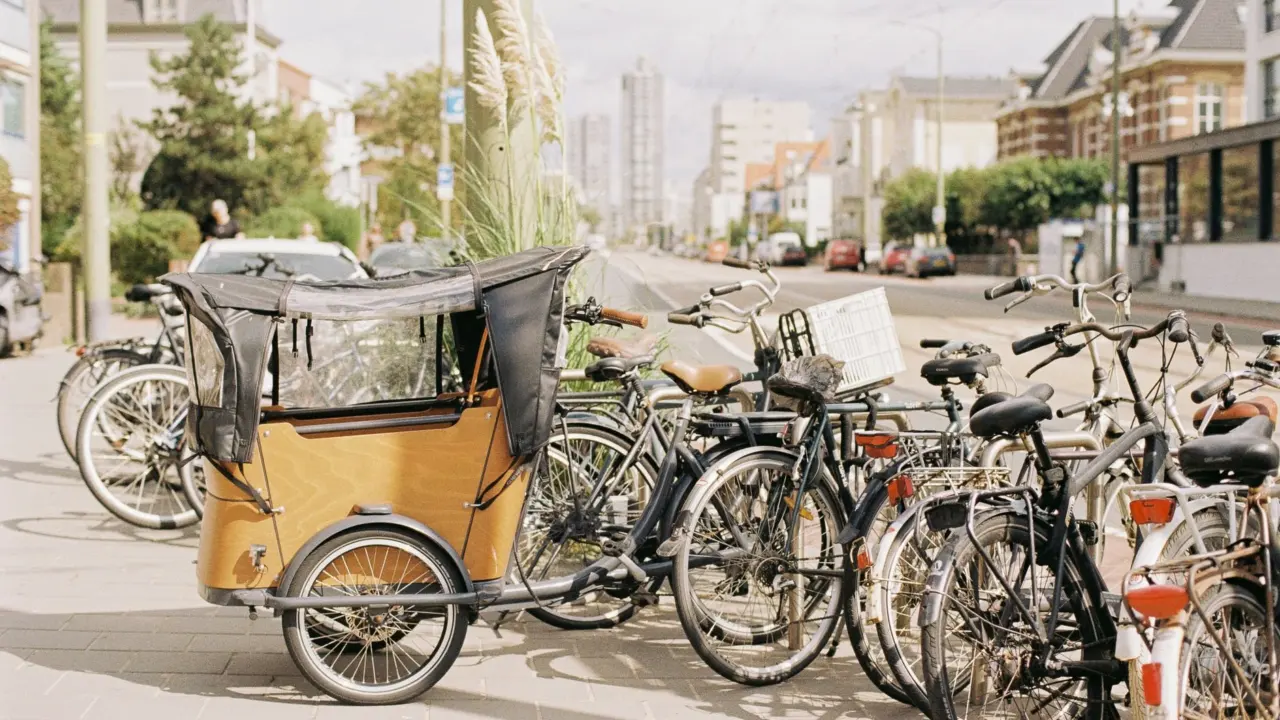
Your old bike is in the shed and the kit is chosen, so the best bike to convert to electric is the one with a sound frame, working brakes and open dropouts that suit the motor.
A hybrid or mountain bike with open dropouts is the easiest start. A folding bike suits a front hub kit, and a road bike needs the most checking. This page ranks the donor bike; for the hardware itself, see our guide to a bicycle electric conversion kit. If you already have a specific frame in mind, will an ebike conversion kit fit my bike walks through the measurements.
What makes a bike a good conversion candidate
A good donor bike lets the motor, brakes and drivetrain fit without workarounds. Kit makers are clear that motor power alone does not determine fit, range or legality. Fit depends on axle, dropout, wheel, brake, drivetrain and controller matching.
- Dropouts: standard hub-motor axles normally need open dropouts. A front hub kit also needs brake clearance and suitable torque control confirmed before you buy.
- Brakes: a rear hub motor must match the brake interface, and higher-output systems call for high-capacity brakes.
- Drivetrain: a rear hub motor must match the rear spacing and the cassette or threaded freewheel standard on the bike.
- Use case: a lightweight front-wheel kit can suit flat roads and simpler installation, while a rear-wheel or mid-drive setup may suit traction or climbing better.
Each bike type below is judged on these checks, starting with the one that tolerates the most variation.
Mountain bikes
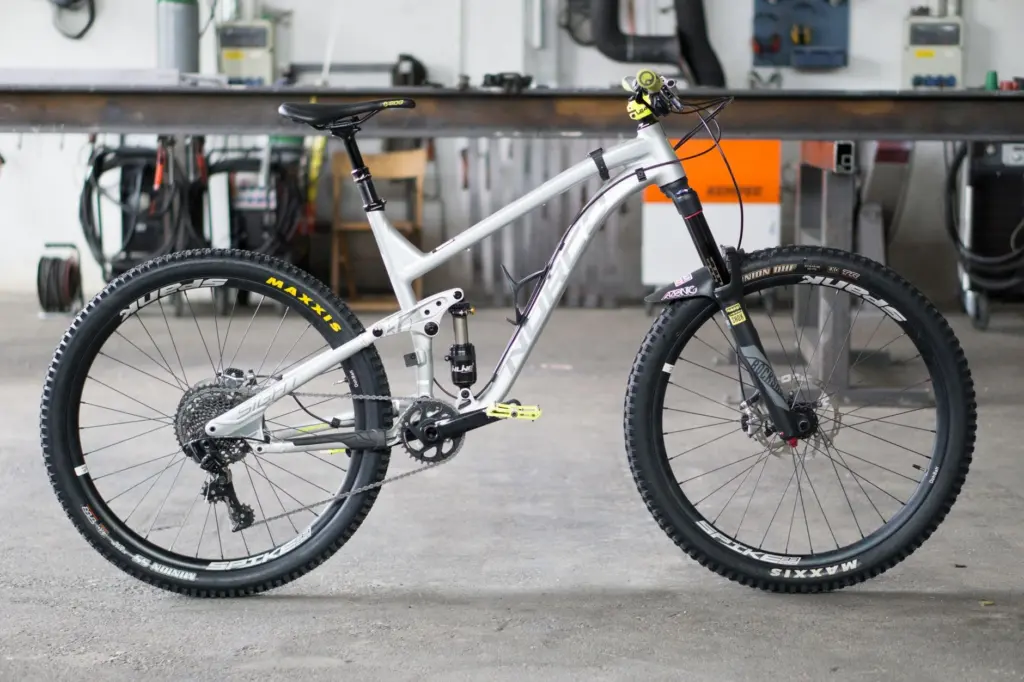
A mountain bike is the most forgiving donor because its frame, wheels and brakes are built for load. Fat-bike kits are made for fat-bike frames with suitable axle and brake clearance, so a compatible fat-bike dropout and wheel are the starting point there. A rear hub kit listed by one manufacturer fits 26 in to 29 in or 700C wheels, which covers most mountain bike wheel sizes.
It suits riders who want hills, rough surfaces or a powerful setup. The limits are specific. Systems from 2500 W to 4000 W need a suitable frame, secure torque control and high-capacity brakes, so a lightweight or worn frame is a poor match for them. Full-suspension frames add a packaging problem: one builder’s forum report describes a Specialized XC Comp taking a 13.5 Ah downtube battery as a tight fit. If you are choosing between a hardtail and a full-suspension frame, the hardtail leaves more room for a battery.
Hybrid and commuter bikes
A hybrid with a rack and mudguards is the most practical everyday donor. Front hub motors give a simpler drivetrain compatibility and are a practical choice for commuters or folding bikes. Because the motor sits in the front wheel, the gears, chain and cassette stay untouched.
Check three things before buying: the fork must have open dropouts, the brakes must clear the motor, and the torque control must be suitable. Hybrids usually pass these checks, which is why they rank near the top. A front-wheel kit suits flat commutes best. If your route is hilly or the surface is loose, a rear-wheel or mid-drive setup may grip better.
Road bikes
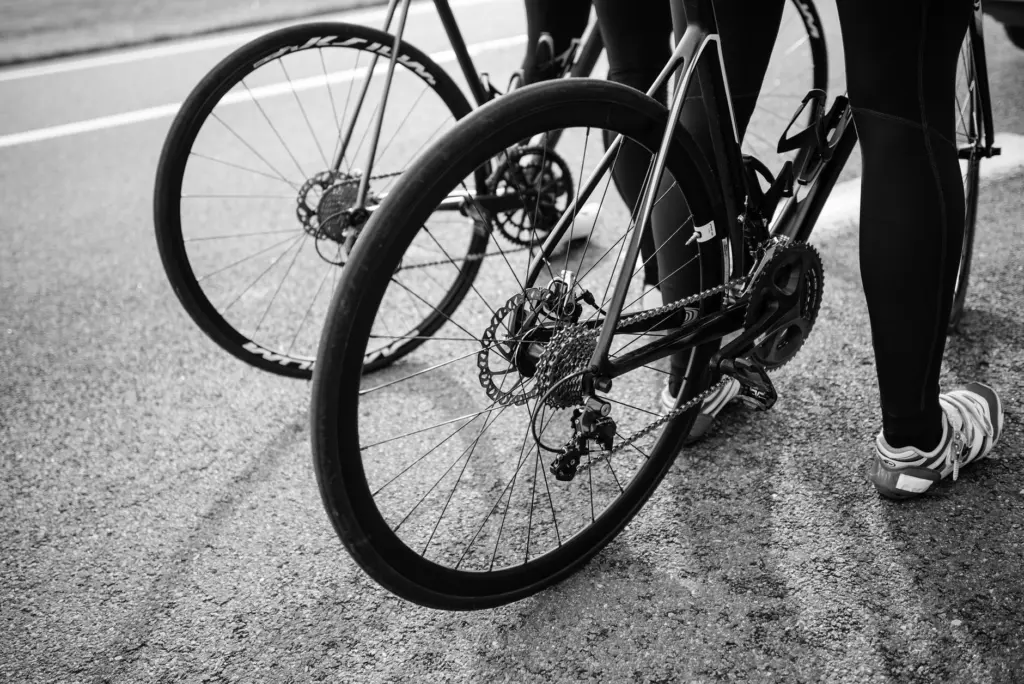
You can convert a road bike, but it is the donor that most often needs specialist advice. A rear hub motor must match the rear spacing, brake interface and cassette or threaded freewheel standard, and road frames have tighter tolerances than hybrids. Check each of those details against the kit before ordering, rather than assuming the motor will bolt in. The compatibility notes from one kit manufacturer list those three items together for rear hub kits.
A road-focused commuting build should start with a lower-power pedal-assist kit, then verify the speed, throttle and labelling rules that apply where you ride. Road bikes suit riders who want a light, fast-feeling machine and are happy to spend time on fit. They are a poor choice if you want a quick, no-checking conversion.
Folding bikes
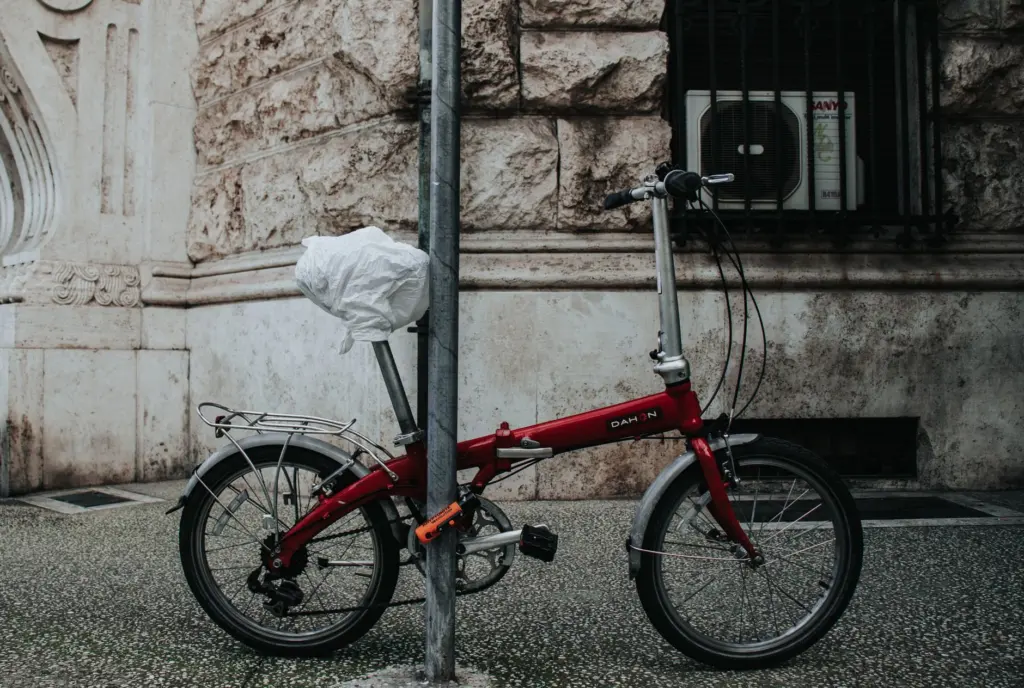
Folding bikes work well with front hub kits, and they are the donor where fork width is the deciding number. One front-wheel kit rated at 36V and 250W lists its key fit as 74 mm for a Brompton or 100 mm for a standard fork. Measure your fork before choosing, because those two widths are not interchangeable.
A front-wheel kit also keeps the rear drivetrain simple, which suits a bike that is already compact. Open-fork front kits ask you to choose the wheel size, so confirm the small wheels on your folder are covered. A folding bike suits mixed commuting where you carry the bike on trains or stairs. It is less suited to a heavy, high-output setup, and the battery position needs thought on a small frame.
Comparing the candidates
| Donor bike | Fit points to confirm | Best suited to | Planning use |
|---|---|---|---|
| Mountain bike | Wheel size (26 in to 29 in or 700C on one rear hub kit); fat-bike axle and brake clearance | Hills, rough surfaces, higher output | Strong first choice if the frame is sound |
| Hybrid or commuter | Open fork dropout, brake clearance, torque control | Flat commuting with a front hub | Easiest everyday conversion |
| Folding bike | Fork width of 74 mm (Brompton) or 100 mm (standard fork); wheel size | Mixed commuting, compact storage | Measure the fork before ordering |
| Road bike | Rear spacing, brake interface, cassette or threaded freewheel standard | Light, fast pedal-assist riding | Most checking; keep power low to start |
The fit points above come from one kit manufacturer’s compatibility notes for front and rear hub kits.
Old bike or new e-bike
A good-quality old bike with a sound frame and brakes can gain a useful second life, according to kit-maker guidance. The same guidance says to compare a new e-bike if the frame, wheel and brake work turns out to be major. In practice, convert when the donor needs only the motor, battery and perhaps new brake pads. Buy new when it also needs a replacement fork, wheel or brake set, because those costs erode the saving that justified converting in the first place.
Decision checklist
- Inspect the frame and brakes. If either is unsound, stop here and compare a new e-bike.
- Check the dropouts. Open dropouts suit standard hub motors; carbon forks and thru-axle frames call for specialist assessment.
- Choose the motor position by use. A front hub for flat roads and commuting; a rear hub or mid-drive for traction and climbing.
- Match the details. Wheel size, brake interface and freewheel standard must agree with the kit.
- Confirm the rules where you ride. Verify speed, throttle and labelling requirements before choosing output.
Once the donor passes, how to install an ebike conversion kit covers the fitting stage.
Frequently asked questions
Does frame material matter when converting a bike?
It matters less than the dropouts and the soundness of the frame. The cases flagged for specialist assessment are thru-axle frames and carbon forks.
Does a more powerful motor make a bike a better candidate?
No. Rear dropout strength, battery current, gearing and braking should be checked before you choose extra output, and bigger systems demand a stronger frame and brakes.
When would a rear hub or mid-drive suit better than a front hub?
When traction or climbing matters more than simple installation. Many mid-motor kits target 68 mm to 73 mm threaded bottom brackets, so check yours before choosing one.