Ebike classes explained: Class 1 and Class 2 bikes stop assisting at 20 mph, Class 3 at 28 mph, and Class 2 adds a throttle. Motor power is a separate limit, under 750 W in California’s definition.
Class, assist speed and wattage appear together on a spec sheet, and each answers a different legal question. Motor layout is a separate choice, covered in the comparison of hub motor vs mid drive designs.
The three classes and what separates them
The three-class model sorts electric bicycles by how the motor delivers help and by the speed at which that help stops. Gazelle’s class guide describes US ebikes as classified by the top speed a bicycle can reach with assistance. Wired adds that laws vary state by state, with enough crossover to make general points. Treat the classes below as the common pattern, then confirm the rule where the bike will be ridden.
Class 1: pedal-assist to 20 mph
A Class 1 bike gives assistance only while the rider pedals, and the motor ceases to assist at 20 mph. Wired also gives 20 miles per hour as the Class 1 top speed. With no throttle, this is the class that most often fits cautious access rules, so it suits riders who expect to share paths.
Class 2: throttle or pedal-assist to 20 mph
A Class 2 bike can be driven by pedal-assist or by a throttle, and assistance ends at 20 mph under California’s classification. Gazelle notes that Class 2 bikes are throttle-powered, so a rider does not have to pedal. It suits riders who want to move off from a standstill without pedalling, or who have limited leg strength.
Class 3: pedal-assist to 28 mph
Class 3 bikes are pedal-assisted up to 28 mph. Pedego says a Class 3 bike may also carry a throttle, but the throttle speed stays capped at 20 mph. It suits fast road commuting, though that speed is also the reason it is treated more strictly on shared routes.
| Class | How the motor assists | Assist cutoff | Planning use |
|---|---|---|---|
| Class 1 | Pedal-assist only | 20 mph | Lowest-friction choice for mixed paths and everyday riding |
| Class 2 | Pedal-assist or throttle | 20 mph | Pick it if throttle-only starts matter; check local throttle rules first |
| Class 3 | Pedal-assist | 28 mph | Pick it for roads and faster commutes; expect tighter path access |
The figures follow CalBike’s summary of California’s classes and Gazelle’s class guide.
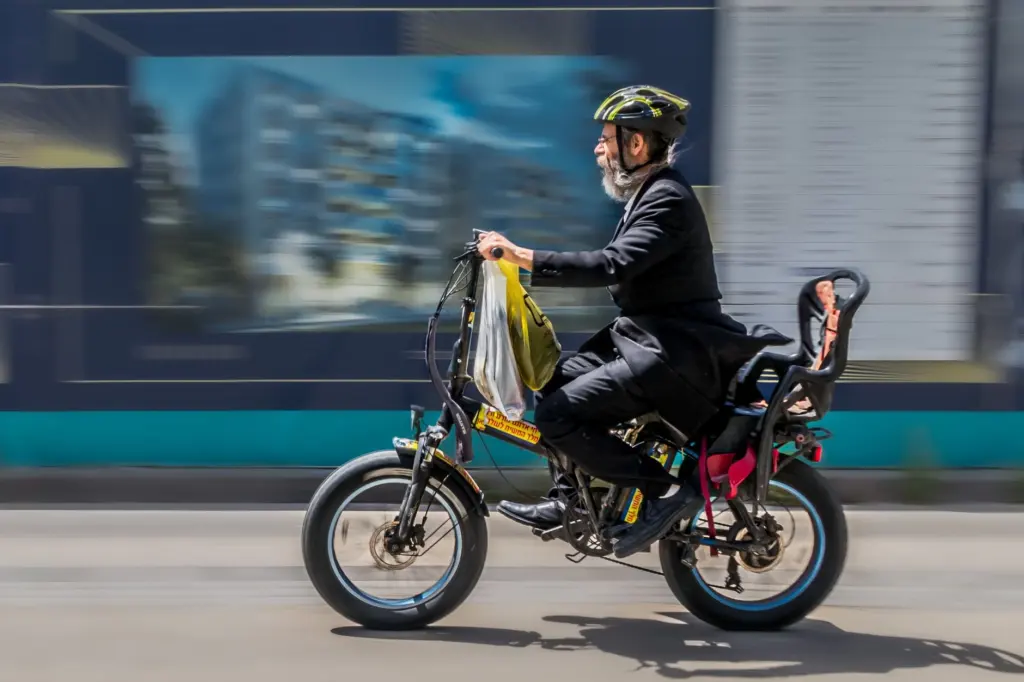
How the 20 mph and 28 mph limits work
The 20 mph and 28 mph figures are assist cutoffs, not general speed laws. California’s wording says the motor ceases to provide assistance once the bicycle reaches the class speed. On a spec sheet, look for the phrase “top assisted speed”, because that is the number that places a bike in a class.
Throttle and the speed cap
On a Class 2 bike, California’s description gives a maximum motor speed of 20 mph. Priority Bicycles describes Class 2 motor support as limited to 20 mph on both functions, pedal and throttle. A throttle therefore does not buy extra speed. It changes how the power is requested, and it is usually the feature that triggers extra access rules.
Where the classes end
Above the Class 3 ceiling, a machine drops out of the ebike category. Wired states that if the motor is capable of speeds in excess of 28 miles per hour, it is not an ebike, and that anything faster than 30 miles per hour is not even a moped. Priority Bicycles makes the same point, saying vehicles with motor assist above 28 mph fall outside the standard classes. A listing that boasts a higher assisted speed is describing a machine with different registration and licensing expectations, not a faster ebike.
Motor power: the 750 W figure
A 750 W ebike is not automatically illegal in the US, but the wording of the limit matters. California defines an e-bike as a bicycle with fully operable pedals and a motor of less than 750 watts. Wired notes that most ebikes have a maximum power output of 750 watts, which is why that figure dominates US spec sheets.
Power and speed are independent limits. A bike can sit well under the wattage ceiling and still be Class 3 because of its assist cutoff, and a motor within the power ceiling does not make a higher assisted speed acceptable. Buyers choosing between nominal ratings should read the figure as a ceiling that the bike must stay within, not a target to reach. Because state rules differ, a bike marketed right at the line deserves a check against the local definition before purchase. Battery pack voltage is a separate specification again, and the guide to 36v vs 48v ebike motor choices explains why it should not be read as a legal limit.
Reading the label
California requires the label to contain the classification number, top assisted speed, and motor wattage. That makes the label the quickest check: it puts the three spec-sheet numbers in one place. A bike with no such label, or with figures that disagree with the listing, is worth questioning before purchase.
Bikes built for other markets
The Class 1, 2 and 3 labels are a US state-law framework. Speed-limited assist is also the principle behind rules elsewhere, where spec sheets quote metric speed limits and their own power ceiling. A bike sold under another region’s rules should not be assumed to carry a US class, so compare its stated assisted speed and motor rating with the rule in the place it will be ridden.
State and local rules on paths and trails
Class rules set the vehicle definition, but access depends on who manages the path. In California, the law prevents cities from restricting access to e-bike riders on places like bicycle paths or trails. The same source says local authorities can still block e-bikes on certain equestrian trails or hiking and recreational trails, and that the state parks department may prohibit any class of electric bicycle on its paths and trails.
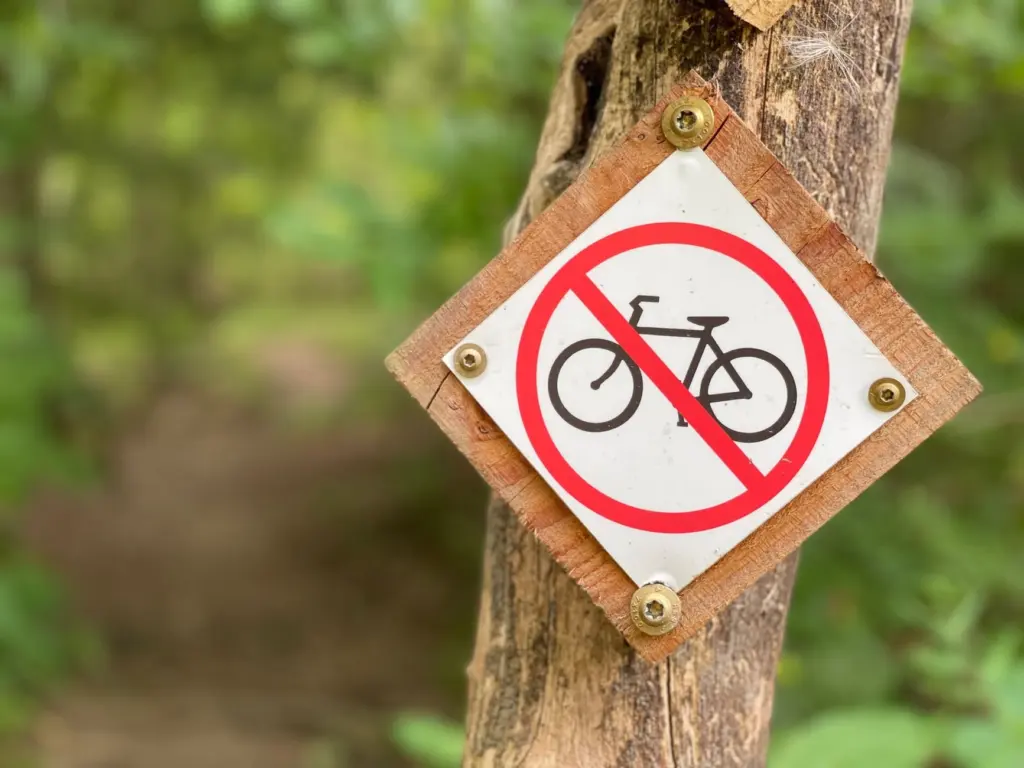
Class 3 is the most exposed. Wired says Class 3 bikes are typically prohibited on greenways, paths, and in parks. Pedego also points out that the National Park Service has specific restrictions on electric bikes in wilderness areas.
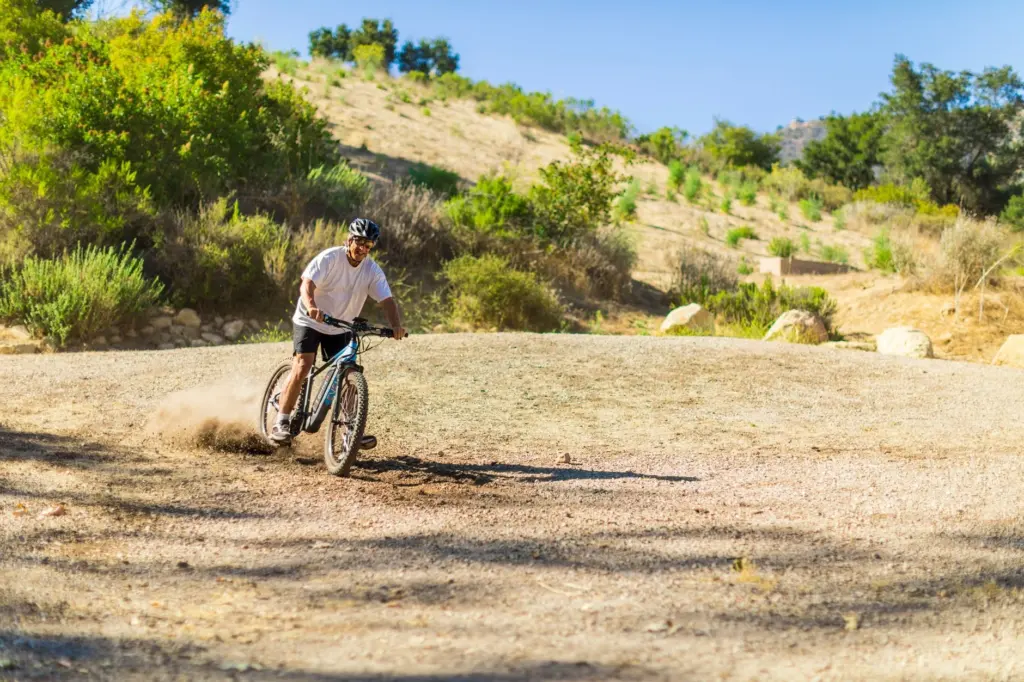
Checking a bike before you buy
A short checklist turns the legal classes into a purchase decision.
- Match the assist speed to your riding. Choose 20 mph for shared paths and 28 mph only if road use dominates.
- Decide on a throttle. Only a Class 2 bike is built around one, and Priority Bicycles warns that regulations vary by state.
- Check the motor rating. Compare the stated wattage with your state’s definition.
- Check the routes. Look up the rules for each path, park or trail you plan to use.
Brand matters less than these numbers, but a comparison of the best ebike motor brands helps once the class is settled.
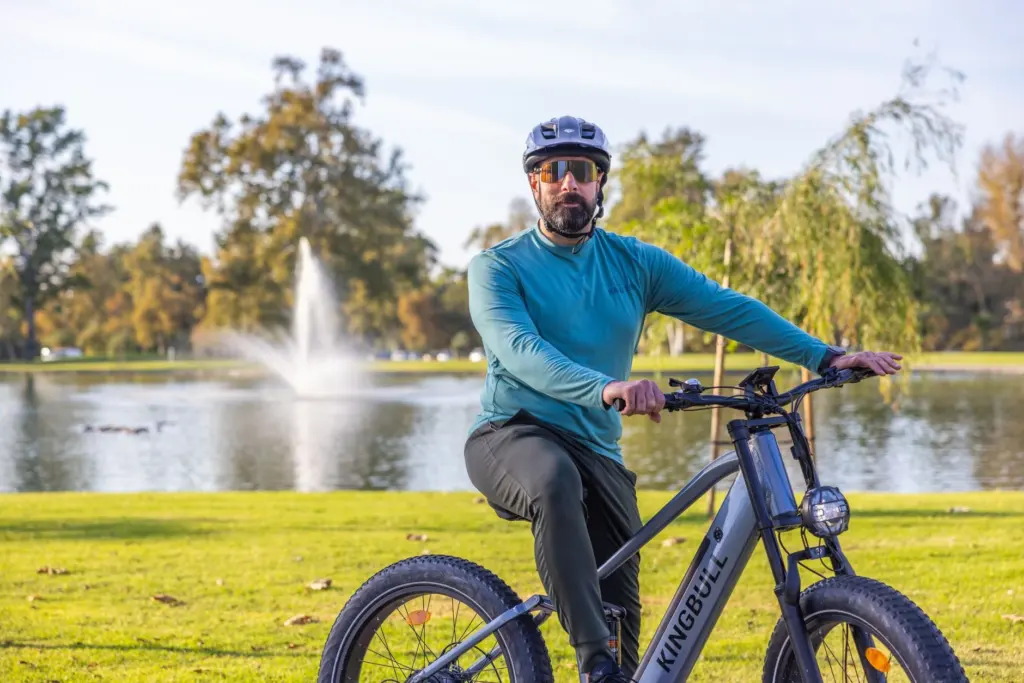
Frequently asked questions
Can a Class 2 ebike be pedalled without using the throttle?
Yes. California describes Class 2 as operating via pedal-assist or throttle, so the throttle is an option, not a requirement.
How old must a Class 3 rider be in California?
Riders must be at least 16 to operate a Class 3 e-bike, according to CalBike. Other states may differ.
Does a throttle on a Class 3 bike let it go faster than 20 mph?
No. Pedego says any throttle on a Class 3 bike remains capped at 20 mph, with pedal-assist carrying the bike to the higher limit.