Hub motor vs mid drive comes down to where power enters: a hub motor drives the wheel independently of the gears, while a mid-drive works through the chain. Pick mid-drive for climbing and pedal feel, hub for lower cost and less chain stress.
The first decision is how much climbing the bike will face, because gearing is where the two designs differ most. The guides across this site cover each part in turn, starting with how does an ebike hub motor work and ebike motor maintenance. This page ties them together by feel, wear and upkeep.
Questions to settle before comparing motors
Most disagreements about e-bike motors dissolve once the rider’s own conditions are clear. Work through these in order, because the early ones usually decide the matter and the later ones break ties.
- Terrain. Long or steep climbs reward a motor that can use the bike’s gears. The hills section below explains why.
- Drivetrain upkeep. A motor that feeds power through the chain loads that chain. If you want the drivetrain to stay as it would on an ordinary bike, that points one way.
- Pedal feel. Some systems measure how hard you pedal and some only detect that you are pedalling. The two feel very different on the road.
- Throttle. If you want to move without pedalling, check that the motor family you are considering offers one.
- Budget. The two layouts are priced differently, and the reasons are mechanical.
- Local rules. Power ratings and speed limits are set by region, and they apply whichever motor type you choose.
Where each motor sits and what it drives
The core difference between a hub motor and a mid-drive motor is position, and position decides everything downstream. The motor is either inside a wheel or at the cranks.
Hub motor
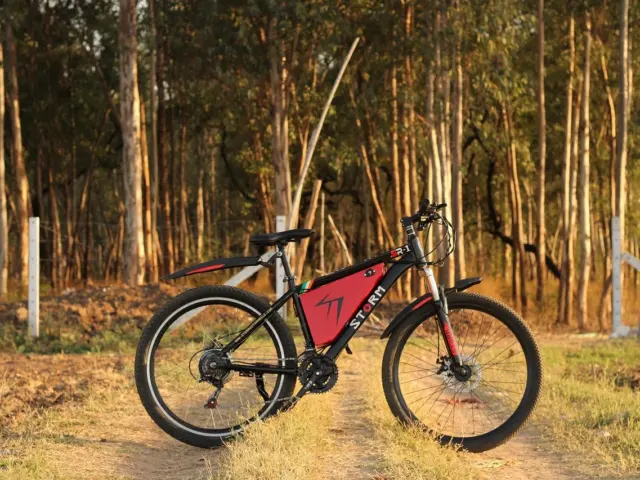
EM3EV’s comparison describes a hub motor as placing the electrical power right in the wheel hub, at the front or rear. It works independently of the bike’s gears. Engwe’s motor guide adds that a hub motor directly turns the wheel without the assistance of the bike’s drivetrain.
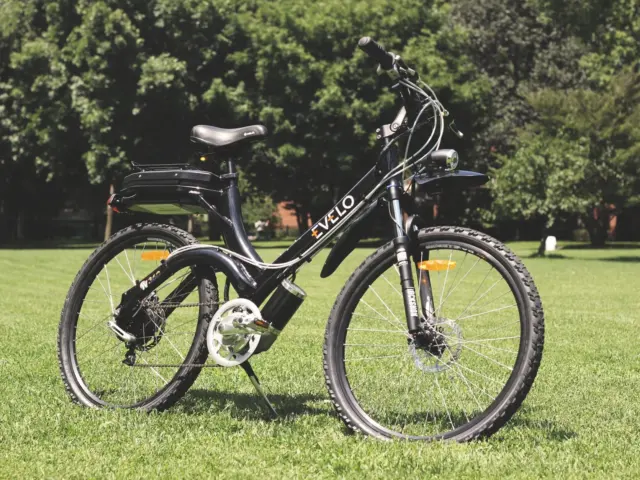
That independence has a practical side. Evelo notes that hub motors are less expensive than mid-drive motors because they can be mounted on a standard bicycle frame. For a conversion or a budget build, that is a real advantage. Whether the motor goes in the front or rear wheel is a separate decision, treated in the guide to front hub motor vs rear hub motor.
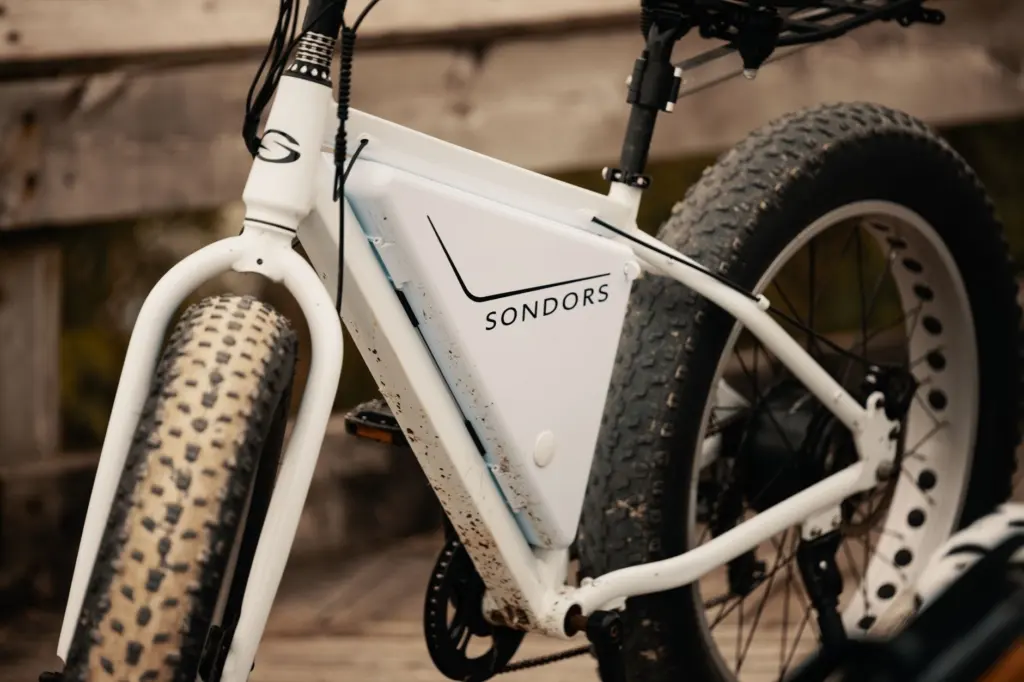
Engwe also describes a dual-motor layout that puts a motor in both the front and rear wheel. It is built from hub motors and suits riders who want drive at both wheels, not the typical commuter.
Mid-drive motor
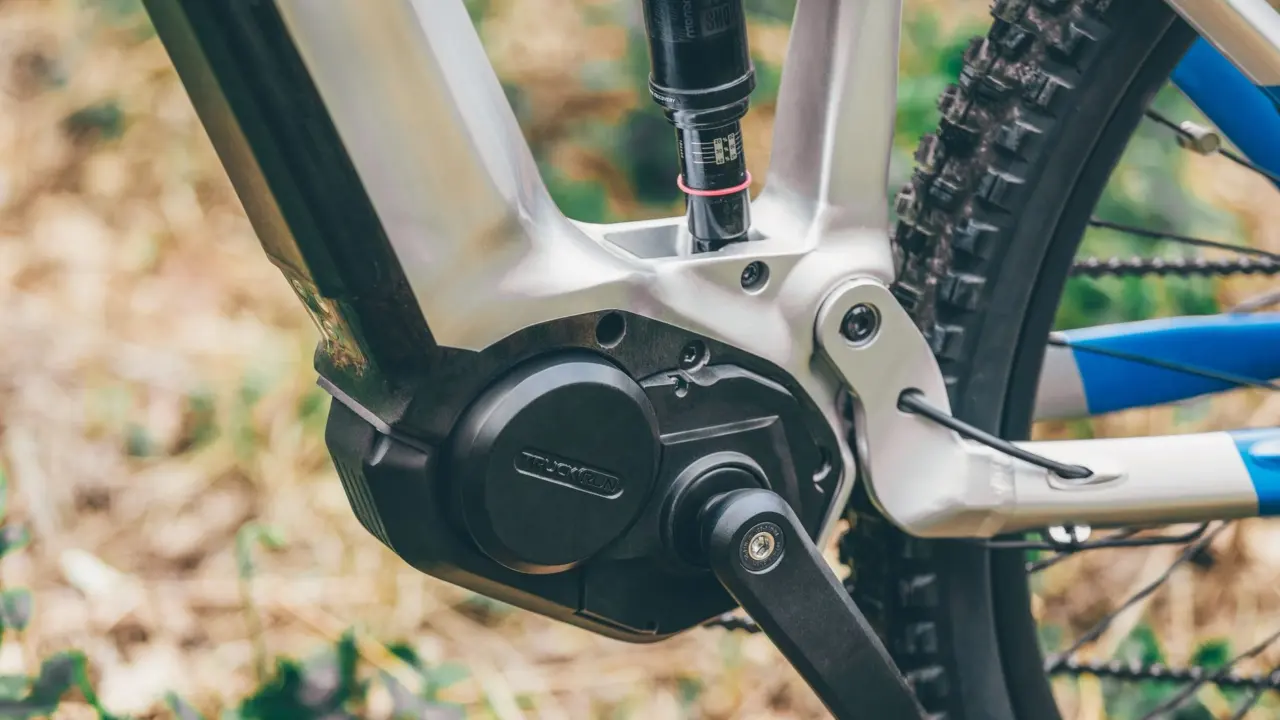
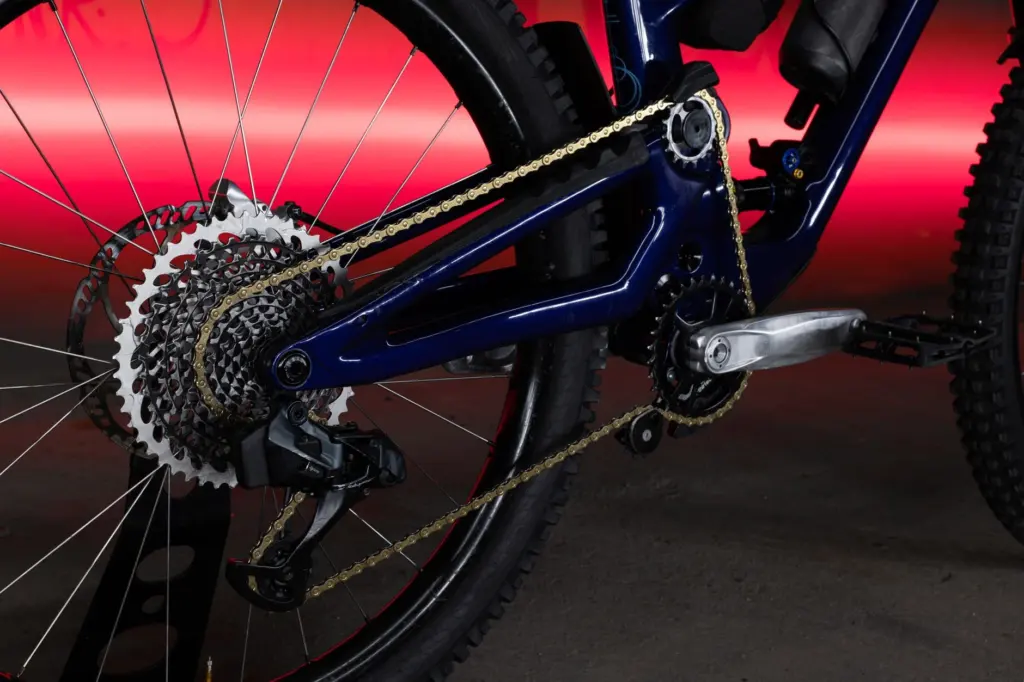
A mid-drive motor sits at the bottom bracket, between the pedals. EM3EV says it powers the chain, just as the rider’s legs do, and that it is integrated with the bike’s drivetrain. Evelo says this layout offers a wide range of gear options, including derailleur and hub gears.
The consequence is that a mid-drive behaves like part of the bike, not an add-on to a wheel. Gears, chain and cassette all take part in delivering its power, which helps on climbs and raises wear questions covered further down. The mechanics are detailed in how does a mid drive ebike motor work.
Geared and direct-drive hub motors
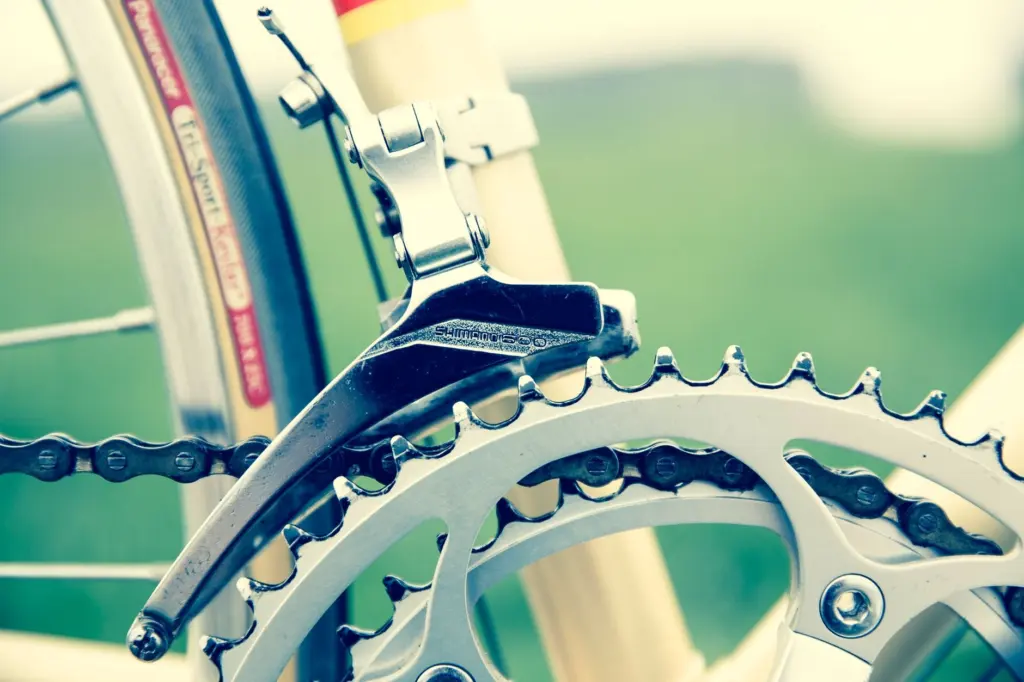
Hub motors come in geared and direct-drive types. Both sit in the wheel and share the hub-motor trait of working without the bike’s gears, so neither loads the chain or cassette. What separates them is how the hub turns the wheel internally. The detailed trade-offs are in geared hub motor vs direct drive.
For this comparison, the useful point is that choosing a hub motor is only half the decision. You then choose a hub type, and that choice matters more to a rider who plans to climb or coast a lot than to one who rides mostly on the flat. Layouts outside the hub and mid-drive pairing, such as friction drive ebike motor designs, have their own guide.
Hills and climbing
A mid-drive suits sustained climbs because the rider can downshift and let the motor work in a comfortable range. A hub motor does not use the bike’s gears, so gear selection does not help it.
EM3EV explains the effect plainly: when the rider downshifts, the gears and motor work together, and the motor draws less battery power to tackle the same obstacle. Evelo adds that a mid-drive responds quickly if the rider pushes harder on the pedals. Together these mean a climb can be handled by shifting and pedalling, not by asking one fixed motor ratio to do everything.
Manufacturer specifications show the kind of torque available. Engwe lists its L20 3.0 Pro as a 250W mid-drive motor with 100Nm torque for steep climbs. Treat that as one model’s published figure, not a typical value for mid-drives. It does show that a modest 250W rating can sit alongside high torque.
A hub motor is still a sensible choice where climbs are short or gentle. In that case the cost advantage may outweigh the gearing advantage. Riders who expect long, hard climbs should weigh how heat is managed under load, a topic covered in ebike motor overheating. Choosing a motor for the steepest hill you will ever ride and not for your normal route is a common reason to overspend.
Chain, cassette and derailleur wear
Yes, a mid-drive generally asks more of the chain than a hub motor does, because it sends its torque through it. The evidence in this area concerns the chain most directly, so that is where to focus.
Chain load
Crazy Lenny’s E-Bikes states that chains are more likely to break on a mid-drive due to the added torque. Evelo makes the same point from the other side. It says a rear-hub motor, in contrast to a mid-drive, relieves stress on the chain, resulting in reduced wear.
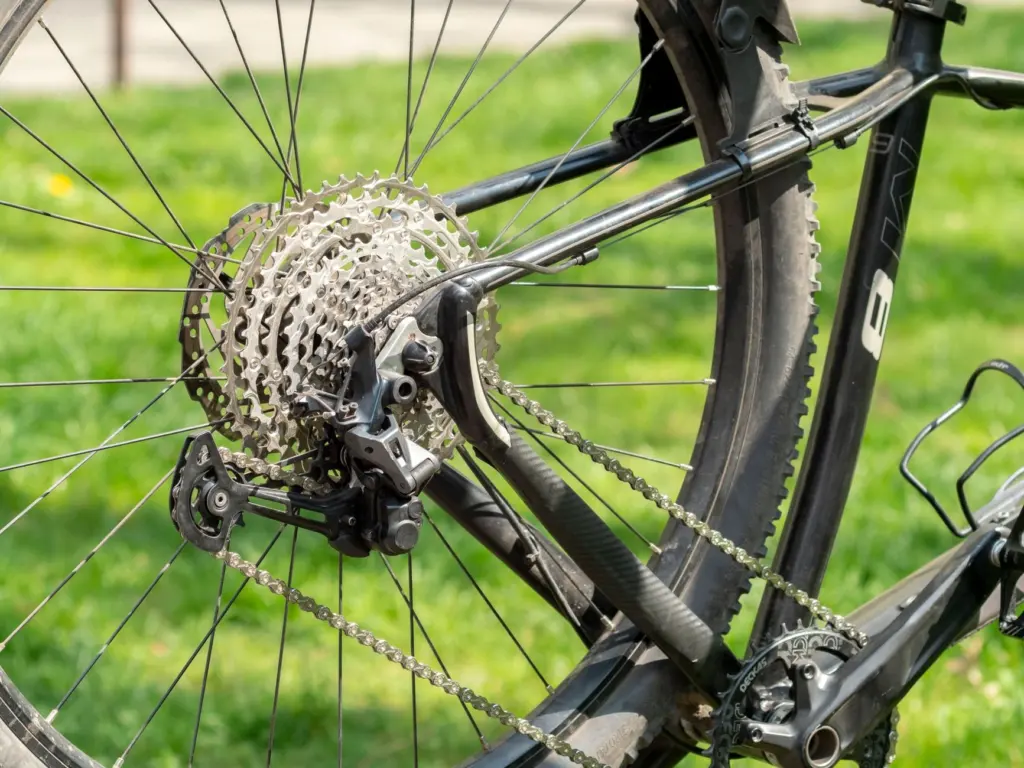
The cassette and chainring share the chain’s path, so the same added torque passes through them. The practical conclusion is to treat the whole drivetrain as a consumable on a mid-drive and to inspect it more often than on a hub-motor bike. On a hub-motor bike the chain carries only the rider’s own effort, which is why rear-hub setups are associated with reduced wear.
Derailleur and gearing
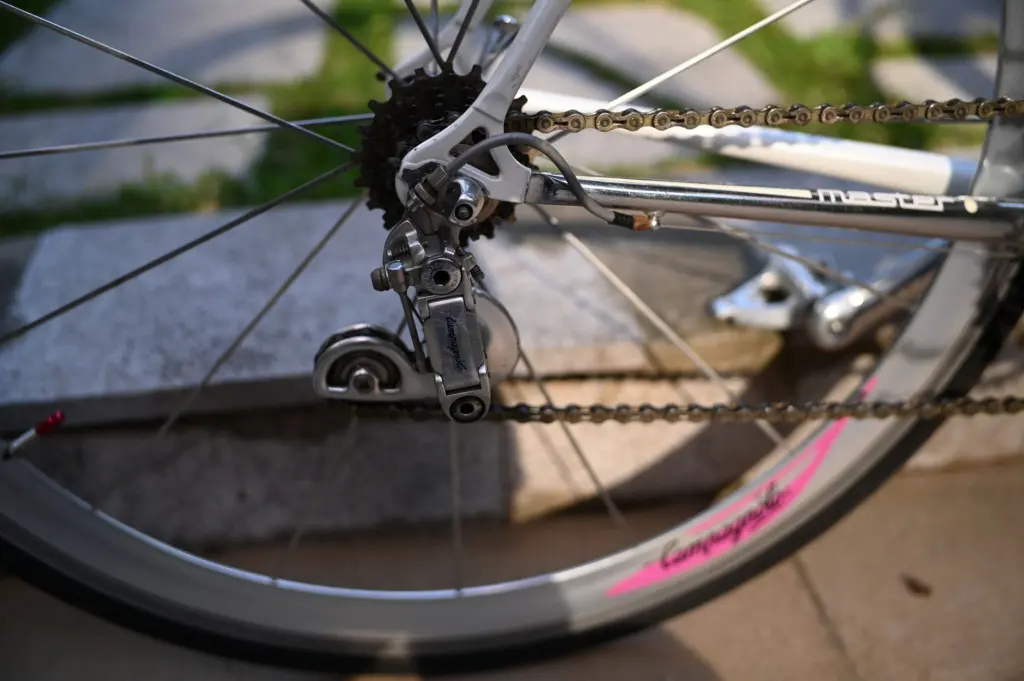
The derailleur is the part that moves the chain across the cassette, and on a mid-drive it is part of how the motor delivers power. Because Evelo reports that mid-drives support both derailleur and hub gears, a rider has a choice of gear systems. That choice affects how much exposed drivetrain there is to maintain.
A hub-motor bike keeps its gears for the rider alone. The motor does not depend on them, and the bike’s shifting is a separate matter from the motor’s output.
What to do about it
If you choose a mid-drive, plan for chain and cassette replacement as normal running costs and keep an eye on chain condition. If you prefer minimal drivetrain attention, a hub motor is the more forgiving layout. Routine servicing and troubleshooting are laid out in ebike motor maintenance, and the longer view of wear is in how long do ebike motors last.
Pedal feel: sensors, throttles and weight
How an e-bike feels depends as much on its sensor as on its motor, and the two designs tend to be paired with different sensors.
Torque sensors and cadence sensors
EM3EV says mid-drives almost exclusively use torque sensors, which measure how hard you pedal and match your effort. It says hub drives often use cheaper cadence sensors, which act like an on/off switch for power. In plain terms, a torque sensor makes assistance follow the rider’s effort. A cadence sensor only registers that the pedals are turning.
For a rider who wants a natural, proportional feel, particularly on varied terrain, torque sensing is the main attraction, and it comes more often with a mid-drive. For a rider who wants simple assistance at lower cost, a cadence sensor on a hub motor is adequate. A hub motor is not tied to one sensor type, so check the specification of the exact bike. The full comparison is in torque sensor vs cadence sensor ebike.

What happens to the sensor signal inside the bike is the job of the electronics between battery and motor, covered in ebike controller explained.
Throttle or pedal assist
EM3EV notes that many premium mid-drive brands, such as Bosch and Shimano, omit throttles. A rider who wants the option of moving without pedalling should therefore check this before falling for a particular mid-drive system. The wider trade-offs between the two control styles are in throttle vs pedal assist ebike.
Weight distribution
Evelo says a mid-drive’s central position means the weight is evenly distributed between the front and back wheels. A hub motor concentrates its mass in one wheel instead. Riders who notice handling, or who plan to lift the bike or swap wheels, should keep that difference in mind when comparing.
Wattage, torque and legal limits
Motor wattage is a rating of power, and it influences performance together with motor position. Engwe states that the wattage of the motor and position play a major role in performance. A wattage figure alone does not describe how a bike climbs, which is why the same rating can behave differently on a hub or a mid-drive.
Typical ratings
Engwe says most commuters prefer 250-750W. Its own examples show how little the headline number reveals. It lists the T14 with a 250W rear hub motor and the L20 3.0 Pro with a 250W mid-drive motor and 100Nm torque. Both share a power rating, but only the second is quoted with a torque figure for steep climbs. When comparing bikes, look for a torque figure as well as watts.
At the other extreme, the same guide describes a dual-motor example with 2x2000W motors and a 5000W peak. Peak and per-motor ratings are different numbers, so check which one a listing is quoting before comparing it to a commuter bike. A fuller explanation is in ebike motor watts explained, and battery voltage is a separate question covered in 36v vs 48v ebike motor.
Legal power limits
Rules differ by region, and the supported general picture is broad. Engwe says that in most regions, standard pedal-assist e-bikes with limited wattage, typically 250-750W, are not treated as motor vehicles. That is a typical range and not a limit that applies everywhere, so check the local rule for the place you will ride.
Speed classes add a second limit. EM3EV states that a Class 3 e-bike will top out at 28 mph whether it is a hub or mid-drive. Motor type therefore does not change the legal speed ceiling of a class. The class definitions and their motor limits are collected in ebike classes explained.
Efficiency and cost
Mid-drives are usually argued to be more efficient, and they usually cost more. Both points are worth treating with some caution.
Efficiency
The efficiency case rests on gearing. One rider discussion on the Electric Bike Review forum argues that the lower wattage combined with the mechanical advantage of the gearing make mid drives more efficient. That is an opinion from riders and not a measured test, so use it as a direction and not a number. It agrees with EM3EV’s explanation that a downshifted mid-drive draws less battery power for the same obstacle.
The practical meaning is that a mid-drive keeps its motor in a comfortable working range when the rider shifts sensibly. A hub motor cannot do this, so on hilly rides it relies on the motor alone.
Purchase price and upkeep
Crazy Lenny’s E-Bikes says mid-drive motors are typically more expensive than hub-drive motors due to the complexity of their design. Evelo gives the other half, that hub motors are cheaper because they mount on a standard frame. The sticker price therefore favours a hub motor.
The running cost leans the other way. Because a mid-drive loads the chain and the rest of the drivetrain, wear parts are likely to need attention sooner. If budget matters, count the purchase price and the drivetrain upkeep together before deciding. Comparisons between makers are in best ebike motor brands.
Which motor suits which rider
Use the criteria from the start of this page, and let the first one that clearly applies to you decide.
- Choose a mid-drive if your routes include long or steep climbs, you want assistance to follow your pedalling effort, and you accept higher purchase price and more drivetrain attention.
- Choose a hub motor if your priority is lower cost, a mount on a standard frame, and a chain that carries only your own effort.
- Choose a hub motor with a throttle if you want to move without pedalling. Many premium mid-drive systems omit the throttle.
- Wait and compare if a listing quotes only watts. Ask for torque and sensor type before treating two bikes as equivalent.
The overview below puts the main differences side by side.
| Criterion | Hub motor | Mid-drive motor | Planning use |
|---|---|---|---|
| Position | In the front or rear wheel hub | At the bottom bracket, between the pedals | Decides which parts of the bike carry motor load |
| Gears | Independent of the bike’s gears | Integrated with the bike’s drivetrain | Matters most on climbs |
| Typical sensor | Often a cadence sensor | Almost exclusively a torque sensor | Shapes how natural assistance feels |
| Price | Less expensive, mounts on a standard frame | More expensive | Compare alongside drivetrain upkeep |
| Chain stress | A rear hub relieves stress on the chain | Chain takes the added motor torque | Plan for inspection and replacement |
| Weight | Concentrated in one wheel | Evenly split front and rear | Relevant to handling and lifting |
The table draws on EM3EV’s hub and mid-drive comparison and Evelo’s motor guide.
Frequently asked questions
What is the difference between a hub motor and a mid-drive motor?
A hub motor sits in the front or rear wheel and drives it independently of the gears. A mid-drive sits at the bottom bracket and drives the chain, using the bike’s drivetrain.
What does motor wattage mean for an e-bike?
Wattage rates the motor’s power, and it affects performance together with motor position. Most commuters prefer 250-750W according to Engwe, but the figure does not give torque, so check that separately.
Do mid-drive motors wear out the chain and cassette faster?
The chain is under more stress on a mid-drive, and chains are more likely to break because of the added torque. The cassette shares the same drivetrain path, so inspect it along with the chain.
How do geared and direct-drive hub motors compare?
Both sit in the wheel and work without the bike’s gears. They differ in how the hub drives the wheel internally, and the full comparison is in the geared and direct-drive guide linked above.
How does a torque sensor differ from a cadence sensor?
A torque sensor measures how hard you pedal and matches your effort. A cadence sensor behaves like an on/off switch for power once the pedals turn.