A fat tire ebike conversion kit fits only when its hub matches your frame: one manufacturer lists 175 mm rear dropout spacing for its 26 in fat wheel against 131 mm for a standard 26 in kit. Measure before choosing motor or battery.
Picture a snow-ready fat bike, a loaded cargo bike or an adult trike that has outgrown pedal power. These builds break the assumptions behind ordinary kits, so this shortlist takes each one in turn. For the wider picture, start with our bicycle electric conversion kit guide, and read are ebike conversion kits legal to check what applies to your build before you order a motor.
Fat tire bikes: rear spacing decides the kit
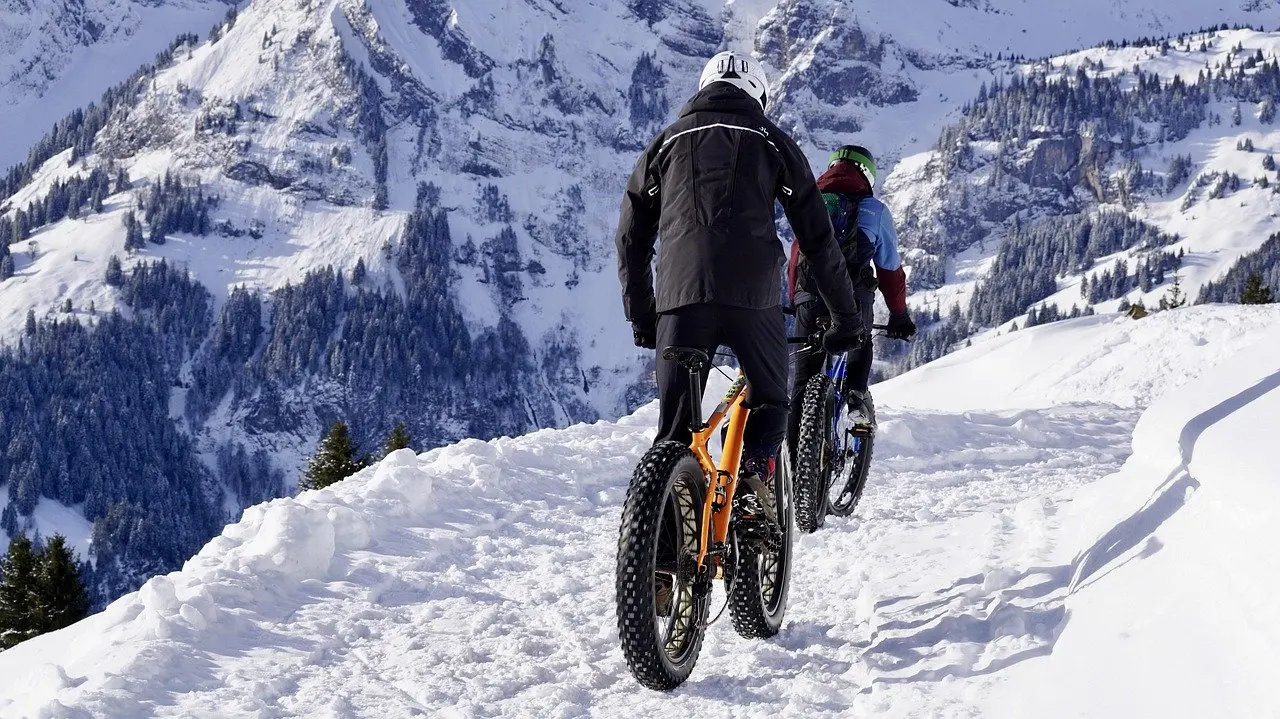
Yes, a fat tire bike can be converted, and the kit that fits is the one built for its dropout spacing, not merely its wheel diameter. Standard kits use narrow hubs, so a fat frame needs a hub made for the wider gap.
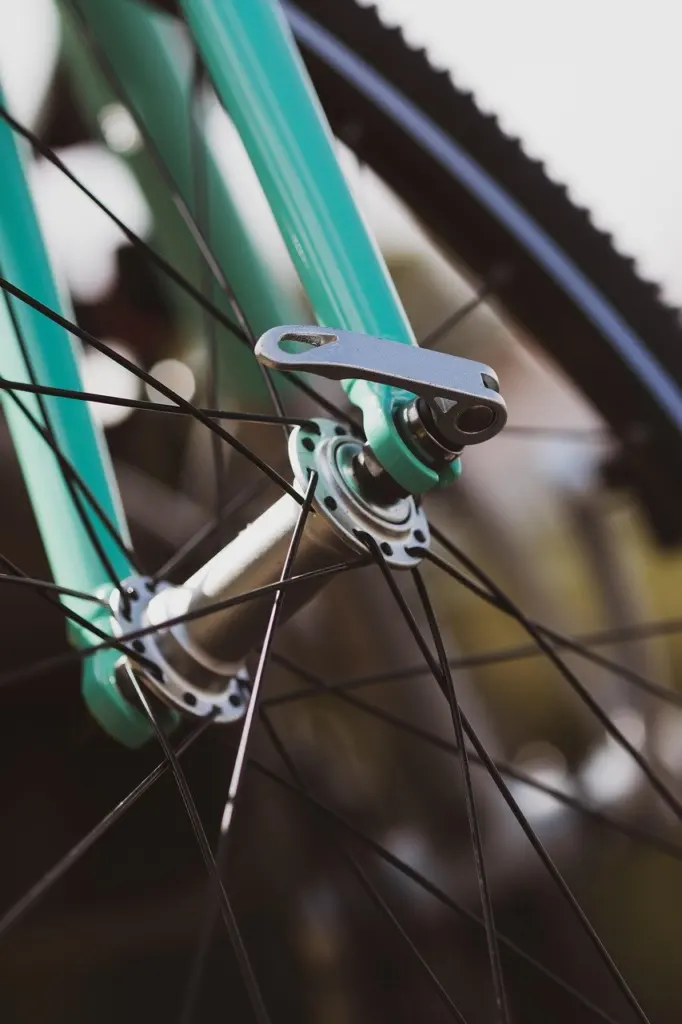
The manufacturer’s spec table shows the gap clearly. Its standard columns list rear dropouts of 130 mm for the 20 in kit and 131 mm for the 26 in and 27.5 in/700C kits, while the fat-tire column lists 175 mm at the rear and 135 mm at the front, against 100 mm on the other columns. Its mount sizes run from 20 in fat and 26 in fat to 26 in, 27.5 in and 29 in mountain bike wheels, and the 20 in kit comes with 20×4.0 slide-proof tires. One sensible check follows from Engwe’s advice: measure your bike’s bottom bracket width and dropout spacing before you order.
Spacing and wheel options compared
| Kit type | Listed fit | Motor and battery | Planning use |
|---|---|---|---|
| Standard 26 in kit | 131 mm rear dropout | 0.84 kW peak, 36V Li-Ion recommended | Too narrow for a fat rear triangle; only for ordinary frames. |
| 26 in fat kit (manufacturer table) | 175 mm rear, 135 mm front dropout | 0.84 kW peak, 36V Li-Ion recommended | The reference point for most fat rear ends of this width. |
| Listed 135 mm dropout kit | 135 mm dropout | 48V-72V, 3000W | Do not treat it as interchangeable with the 175 mm kit. |
| Listed snow/beach fat kit | 175 mm dropout, 5 inch wheel backspacing | 1000W rear hub, 48V | Check backspacing as well as dropout width. |
Figures come from the manufacturer’s kit specification and an Amazon fat-bike kit listing.
Some fat frames are wider still. A marketplace listing offers a 26 in rear wheel kit with 190 mm spacing and a 1500W motor, which is a separate size class from the 175 mm kits. If your measurement lands between listed sizes, do not force a hub into the frame; look for a kit made for your number.
Hub motor or mid-drive on a heavy bike
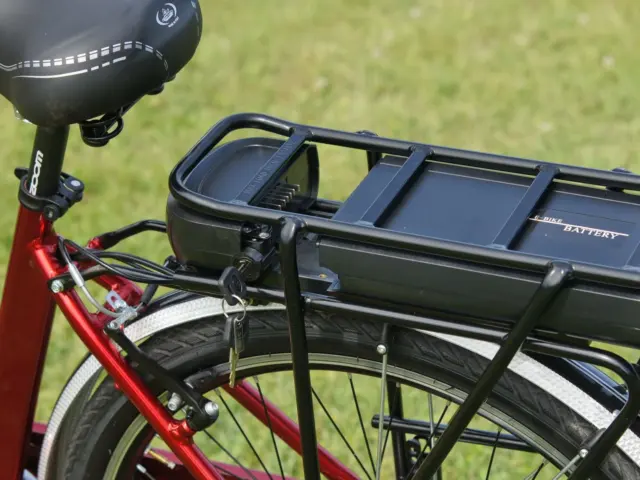
A rear hub motor suits most fat bike conversions because it is a simpler install and spares the drivetrain, while a mid-drive suits riders who climb a lot and accept more work. Engwe’s comparison gives the trade-offs.
- Hub motor: rear hubs put a good deal of traction on the ground, and they have hardly any effect on the chain and cassette. They need a torque arm to avoid frame damage.
- Mid-drive motor: it handles better and uses the bike’s built-in gears for stronger hill climbing, but chain and cassette wear is higher and installation is more complicated.
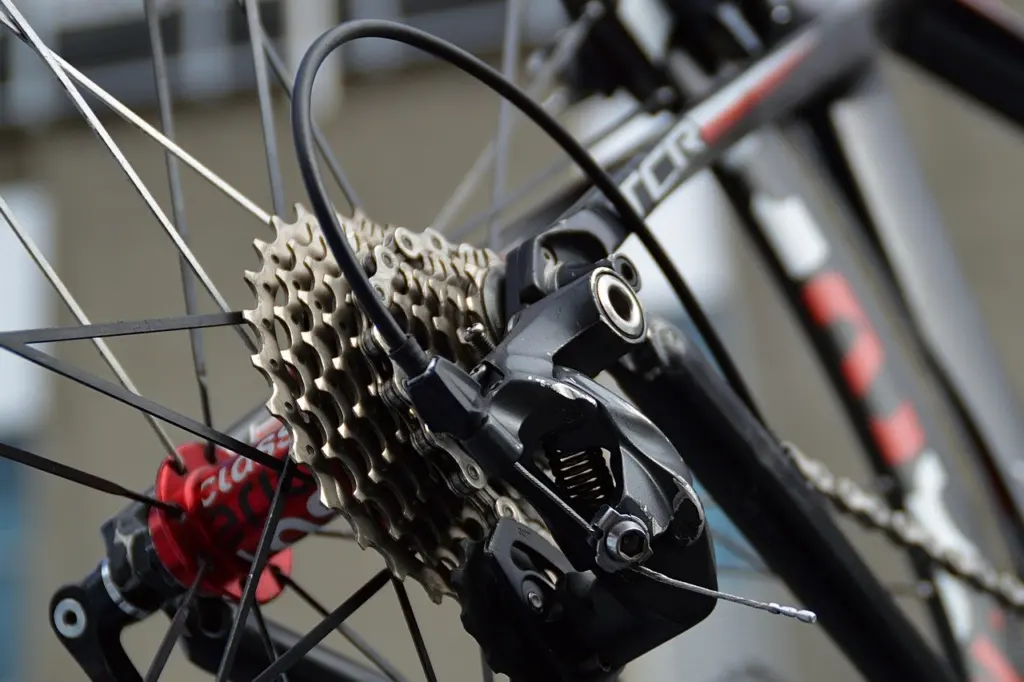
Choose a hub if the bike lives on flat or rolling ground and you want the least drivetrain upkeep. Choose a mid-drive if steep, loaded climbs are the daily job and you can live with the extra wear and a crank removal at install.
Motor power and battery for heavy builds
For heavy fat bikes, Engwe says a motor of 750W or more is commonly suggested. That is a typical recommendation, not a ceiling or a guarantee for your rider weight and terrain.
Compare nominal ratings, not headline numbers. One 3000W kit is described by its maker as using a 48V 750W rear brushless geared hub motor, with 4000W peak in the kit title. Peak torque is listed at 35 Nm for the 20 in column and 40 Nm for the others, and a 26 in fat column quotes 0.84 kW peak power. Motor and battery are listed on the same specification page.
Choosing the battery
The lithium-ion battery is the most costly part of the e-bike, and its amp-hour rating is what determines range, according to Engwe. The 3000W kit offers 52V 20Ah, 52V 30Ah, 60V 20Ah and 72V 20Ah packs, while the kit table recommends 36V Li-Ion. Pick the voltage your controller is built for before comparing capacity; one listing pairs its 3000W rear fat kit with a 72V 80A controller.
Cargo bikes: load changes the priorities
A cargo bike is converted like a fat bike, with the same dropout and bottom bracket checks, but the weight on the rear wheel raises the stakes for torque and climbing. Treat the fat bike fit measurements above as your starting point and match wheel size to the sizes kits list: 20 in, 26 in, 27.5 in or 29 in.
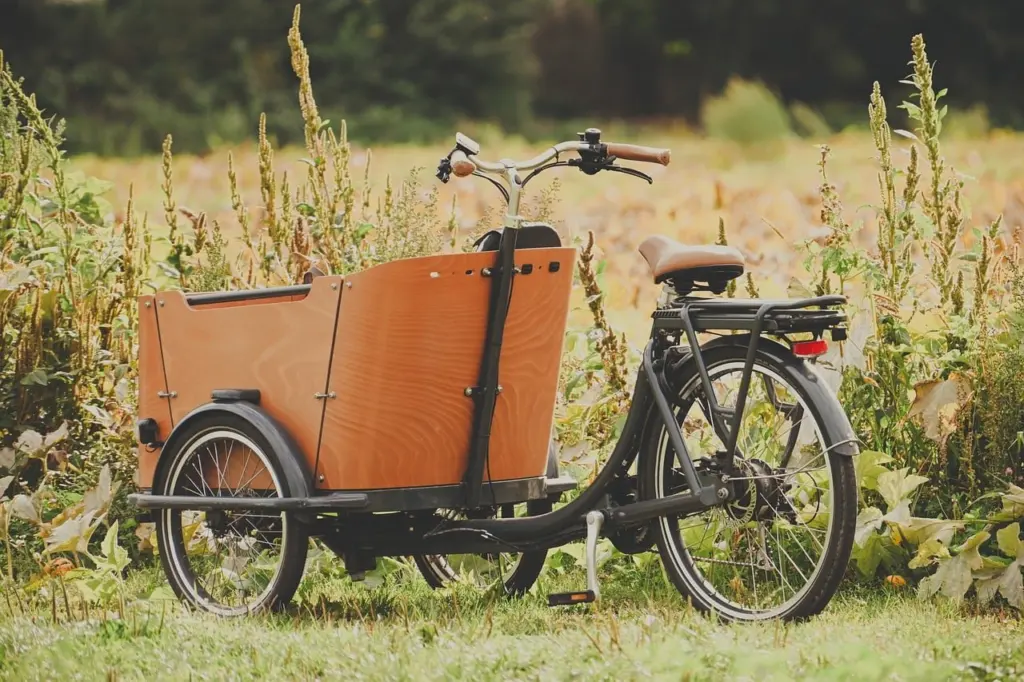
For loaded hills, a mid-drive’s use of the bike’s own gears is its main argument. If you stay with a hub motor, a torque arm is not optional on a frame carrying weight. Cargo frames differ widely, so ask the seller to confirm your measured spacing against the kit before paying.
Tricycles and recumbent trikes
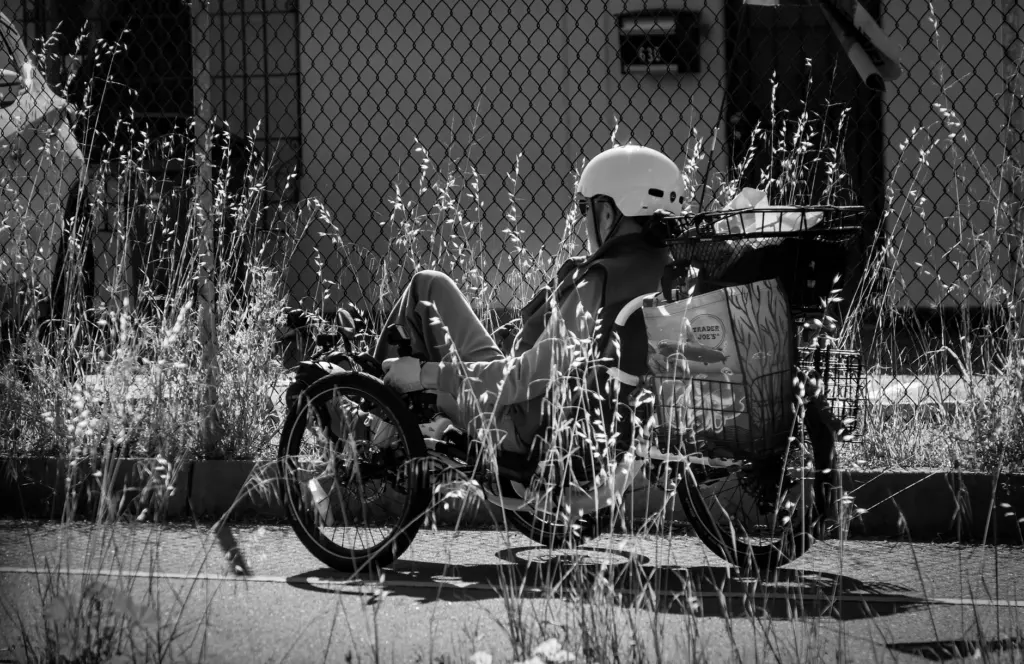
Complete electric tricycles are easy to find, while a conversion kit for a trike takes more checking. The listings in the supplied evidence are ready-made machines, such as an adult 24 in fat-tire mobility trike rated 750W and 48V with a removable battery and 65 km listed travel, and a folding 20 in e-trike rated 500W with 45 km listed. Both appear on a marketplace page.
Those listings show typical trike power ratings, not what an electric tricycle conversion kit will need on your frame. A recumbent trike ebike kit has to suit the frame’s own axle and battery space, so measure the dropout spacing and bottom bracket width as you would on a bike, and confirm with the seller that the hub works with your trike. Riders whose real priority is a compact frame should look at a folding bike electric conversion kit instead of a trike.
Decision checklist
- Write down your rear dropout spacing and bottom bracket width.
- Find kits made for that spacing and your wheel size.
- Decide between hub and mid-drive using your terrain and tolerance for installation work.
- Compare nominal motor ratings and the controller’s voltage, then pick a battery capacity.
- Confirm the kit is legal where you ride before ordering.
Frequently asked questions
Do wide tires affect range and battery choice?
The supplied kit figures link range to assist mode and capacity: the 3000W kit lists 20+ miles with throttle and 45+ miles with pedal assist. Amp-hours set range, so choose the larger pack if you ride on throttle.
Do I need a torque arm on a fat bike hub motor?
Yes. Engwe lists a torque arm as needed for hub motors to avoid potential frame damage.
Which motor type is easier to install?
A hub motor is usually a wheel swap, while a mid-drive is more complicated because the cranks come out.
What does a fat bike kit cost?
One 3000W rear fat bike kit with a 72V 80A controller and 26 x 4.0 rear is listed at $799.00. Battery cost is usually the largest part of a build.