You own a sound commuter bike and want motor help. A bicycle electric conversion kit adds a motor, battery, controller and controls; pick motor position first, then check wheel size, frame fit and local power rules.
The sections below follow the order in which most conversions are decided: fit, motor position, a real kit comparison, budget, power and range, then installation. If you are starting from zero, read what is an electric bike conversion kit for the plain definition. If you already have a shortlist, how to choose an ebike conversion kit narrows it by rider and bike.
What a conversion kit includes
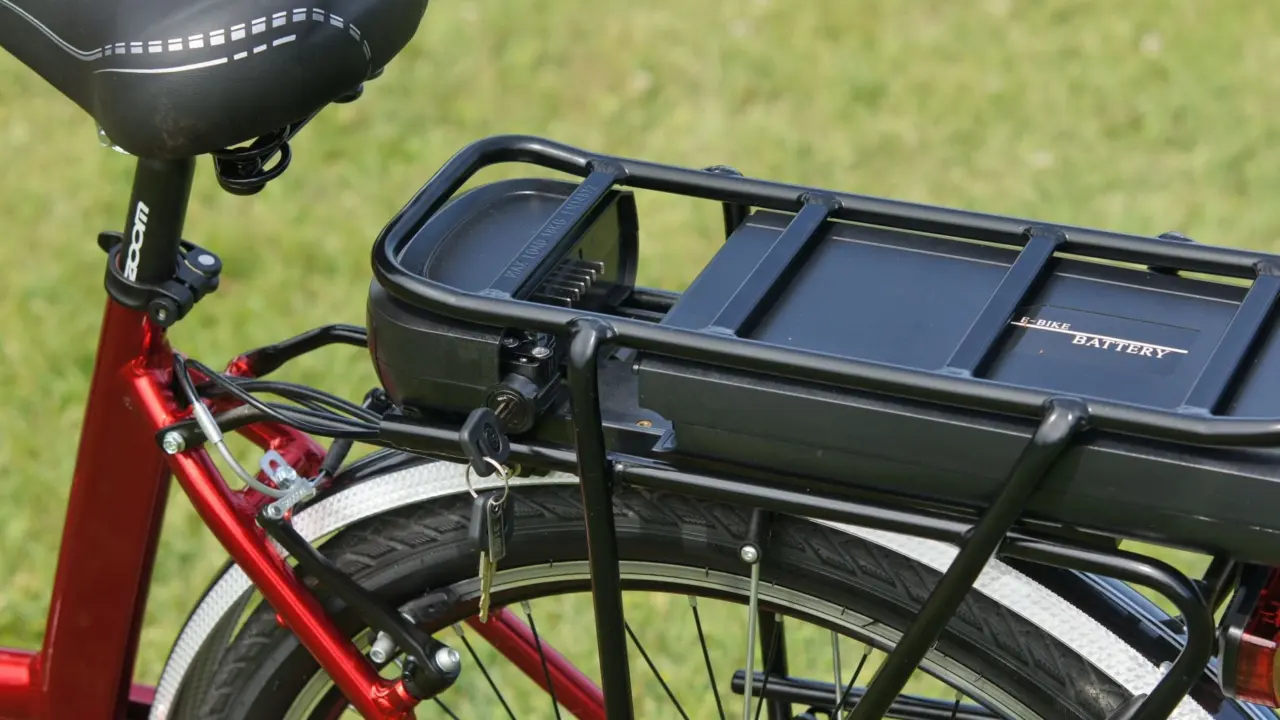
A conversion kit keeps your frame, brakes and gears and replaces or adds the parts that make a bicycle electric. The core set is a motor, a battery with a charger, a controller and rider controls. Some kits bundle these into a single wheel, and others supply them as separate parts to mount around the frame.
The two documented examples in this guide show the range. The E-Switchy Switch One converts a bike by replacing the front wheel with a unit that has the motor, battery and controller integrated. The Voltaire kit sold by Electric Bike Technologies through an Oregon retailer is a rear geared hub motor kit supplied with a lithium-ion battery pack.
Motor
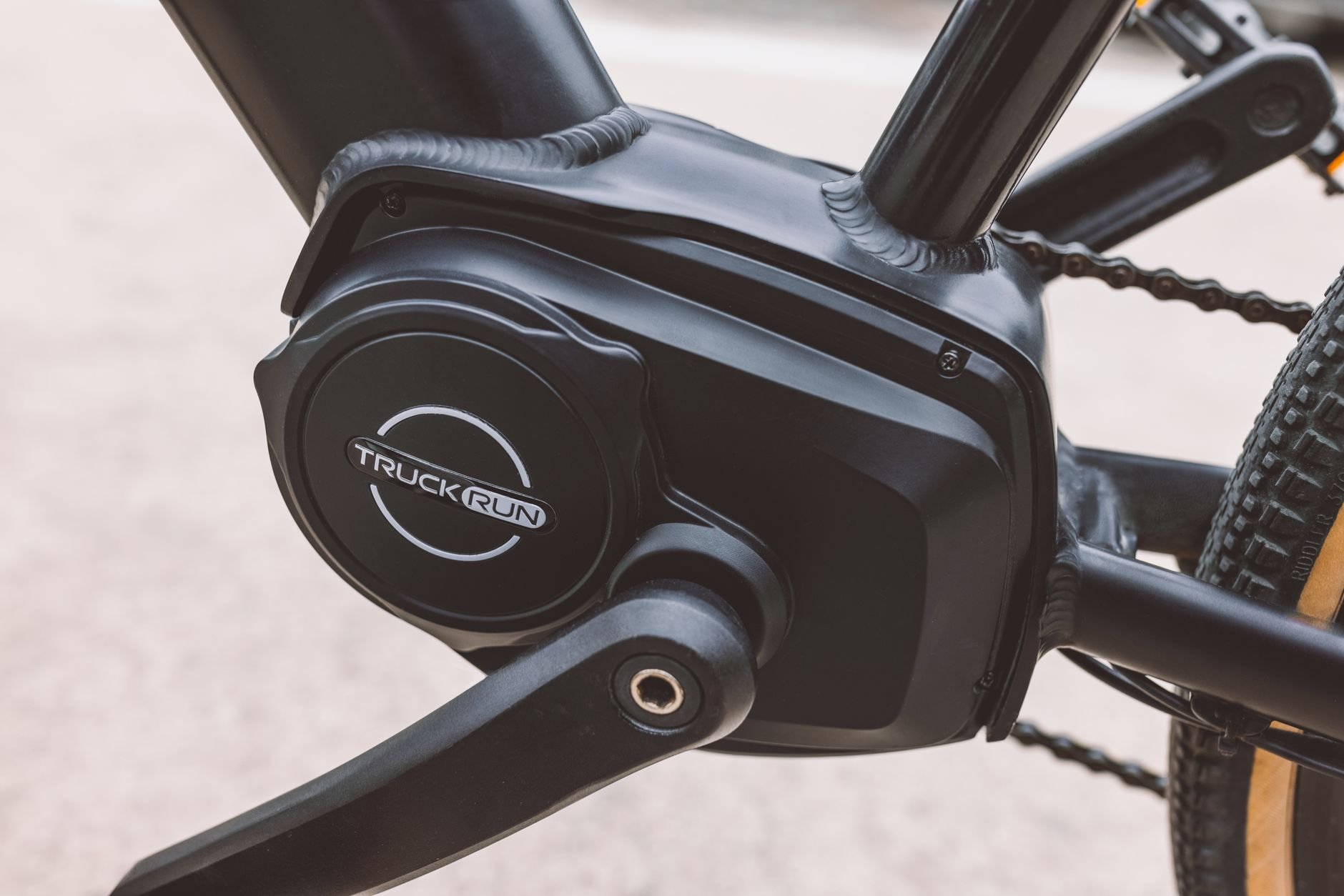
A hub motor sits inside a wheel, so fitting it means swapping that wheel. A mid-drive motor is installed centrally at the bike’s bottom bracket, where the pedals connect to the frame, and it drives the chainring, according to an Australian conversion-kit retailer. That difference in position drives most of the other decisions in this guide.
Battery and charger
Kits use a lithium-ion battery, and each pack comes with a matched charger. Voltage and capacity matter more than the shape of the pack, because they set how much energy you carry and which controller the pack suits. The power and range section below compares real figures.
Motor controller
The controller sits between battery and motor and decides how much power reaches the motor in response to the throttle or assist setting. The E-Switchy kit lists a 12 A controller. Keep the controller and battery from the same kit unless the manufacturer states they are interchangeable, since the rated current and voltage need to agree.
Throttle and pedal assist sensor
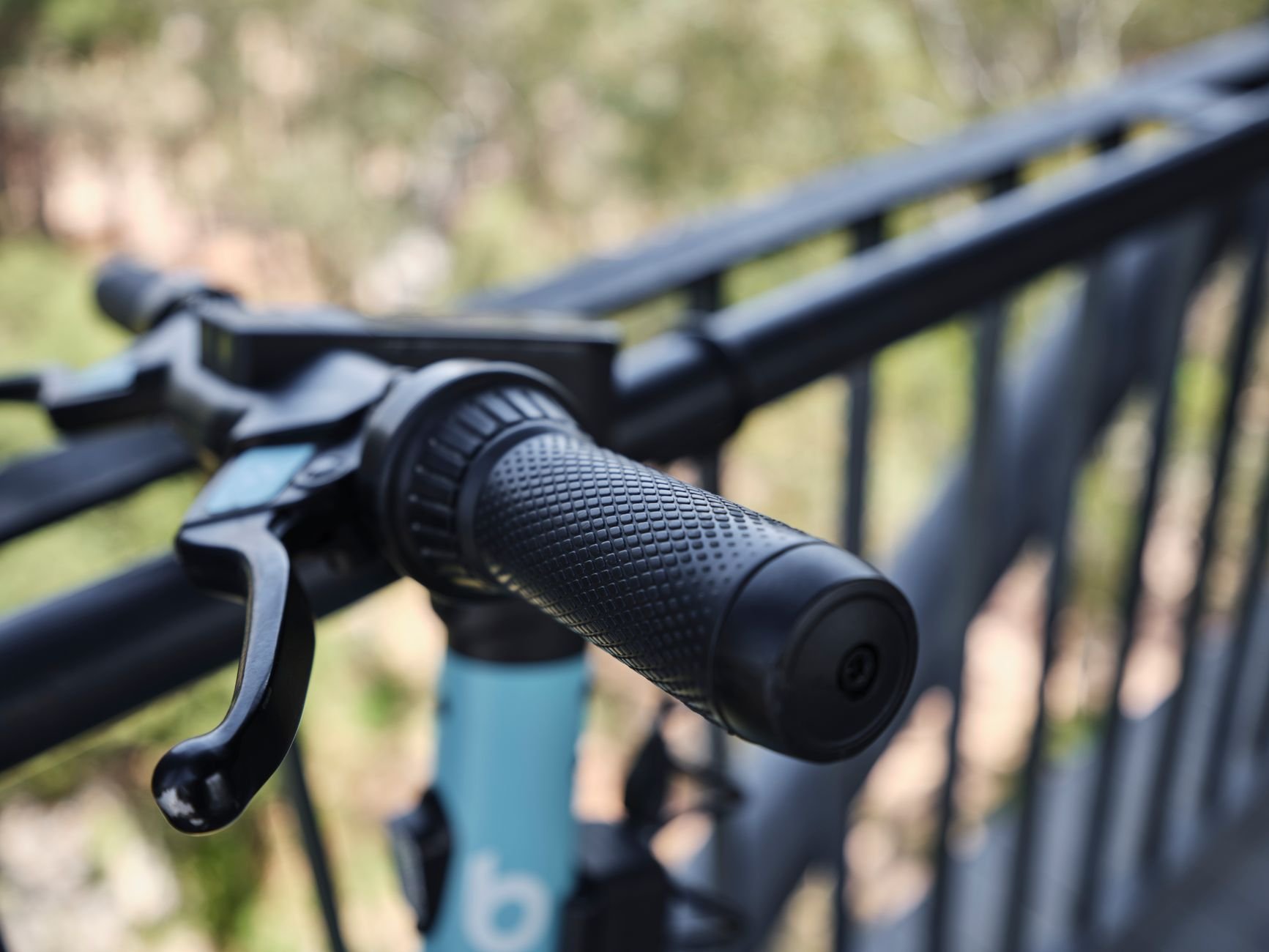
A throttle gives power on demand, and a pedal assist sensor detects pedalling and adds motor power in response. The E-Switchy kit offers both: you can power the wheel with the thumb throttle or with pedal assist, which has 5 assist modes. Check that any kit you buy includes the control style you want, and whether brake levers with motor cut-off are in the box, since those stop the motor when you brake.
Start with fit: wheel size, tyres and frame
Whether a kit fits is decided mainly by wheel size, tyre width and the frame’s dropouts. Rim size must match the bike before purchase, and Dillenger’s guidance is to choose the correct rim size for your bike when ordering.
Published size ranges are wide for mainstream wheels. The Voltaire kit is offered for 16, 20, 24 and 26 inch wheels plus 700c and 29er, and it lists tyre widths from 1.15 in (29 mm) to 2.25 in (57 mm), per its product page.
Wheel size is only the first check. Measure the gap between your fork or rear dropouts and compare it with the axle width in the kit’s manual, because standard dropout widths vary between bikes and a motor axle that does not sit properly cannot be fitted safely. Also confirm that the tyre you plan to run falls inside the kit’s stated width range. The detailed checklist lives in will an ebike conversion kit fit my bike.
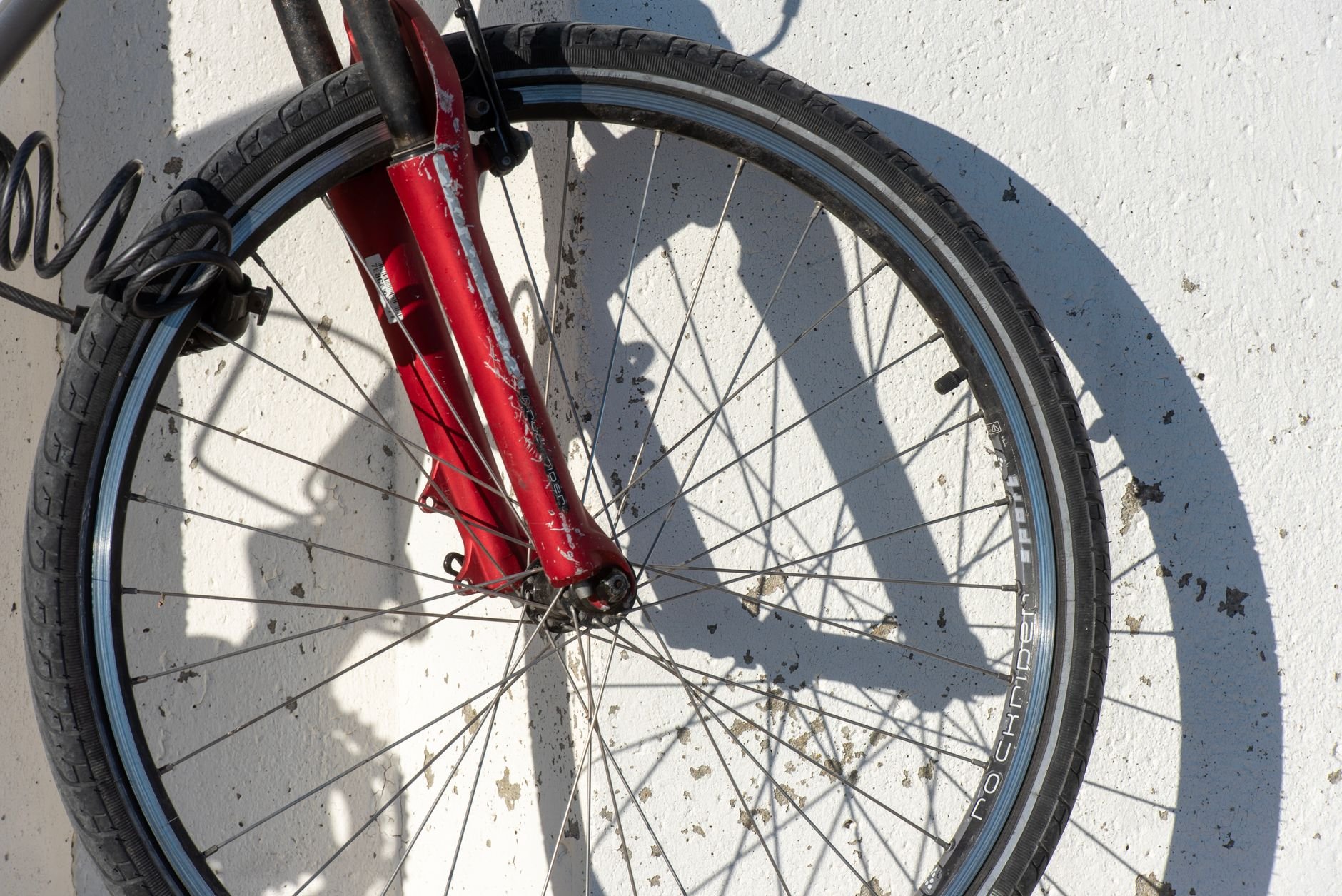
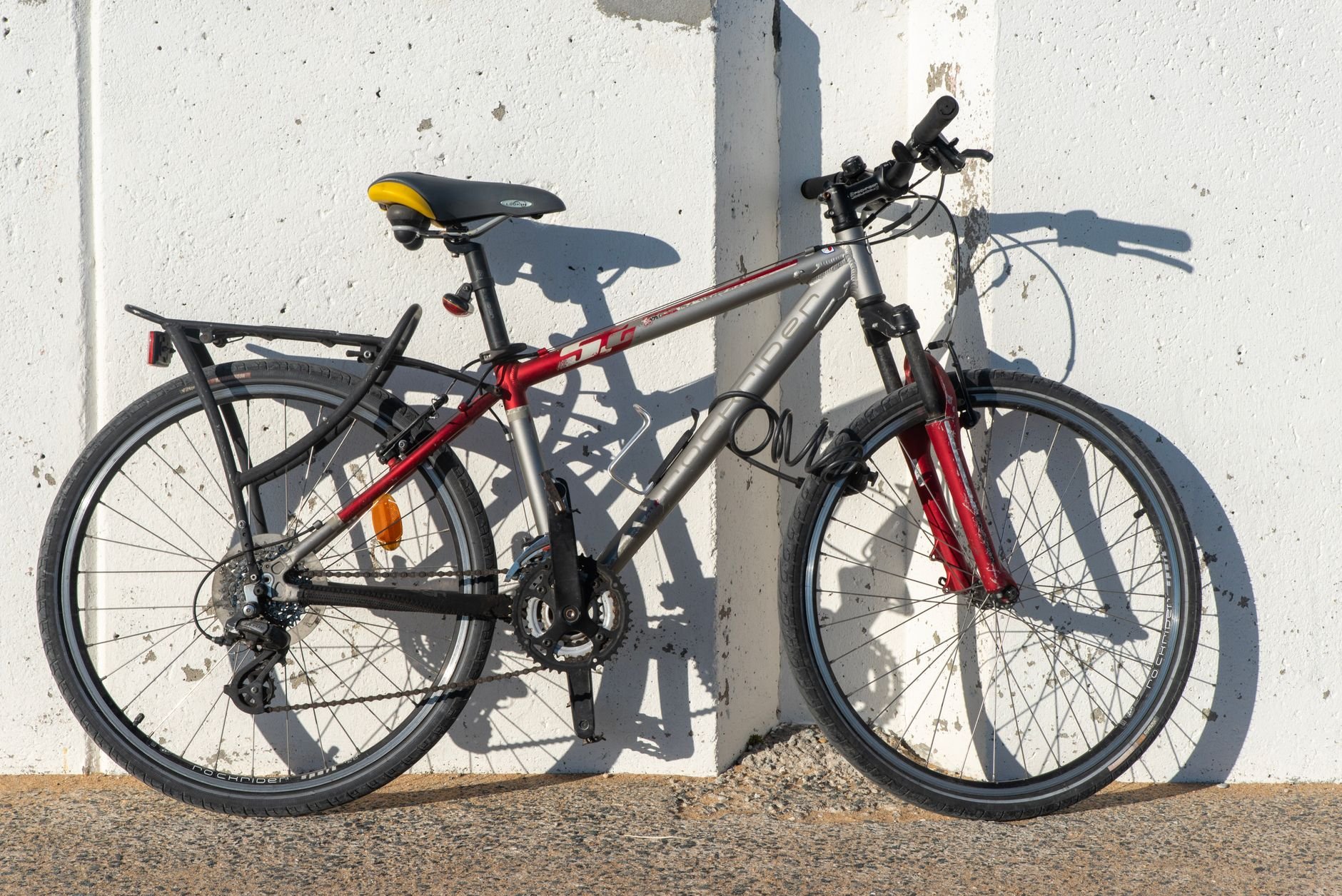
If you have not picked a donor bike yet, a plain steel or aluminium frame with conventional wheels and a rack is the least troublesome starting point. best bike to convert to electric compares candidates in more detail.
Pick a motor position
For most riders the choice is between a rear hub, a front hub and a mid-drive. Rear hub is the usual answer for a standard commuter bike, mid-drive suits riders willing to take on a harder install, and front hub is the simplest when it suits your riding surface. The comparison of hub motor vs mid drive conversion kit goes deeper than this overview.
Rear hub
Rear hubs offer better traction than front hubs and are the most common choice, according to the Australian retailer’s comparison. The Voltaire seller’s own page says it recommends rear placement for most conversions. Choose a rear hub if your bike has a conventional rear dropout and you ride mostly on pavement or firm paths.
Front hub
A front hub leaves the rear drivetrain untouched, which can make fitting simpler. The trade-off is traction: front hub motors can sometimes cause slip on gravel or steep inclines, per the same retailer. A front kit suits flat, paved commuting. If your route includes loose surfaces or climbs, weigh that limitation before you commit. Front hub vs rear hub ebike conversion sets out the differences in full.
Mid-drive
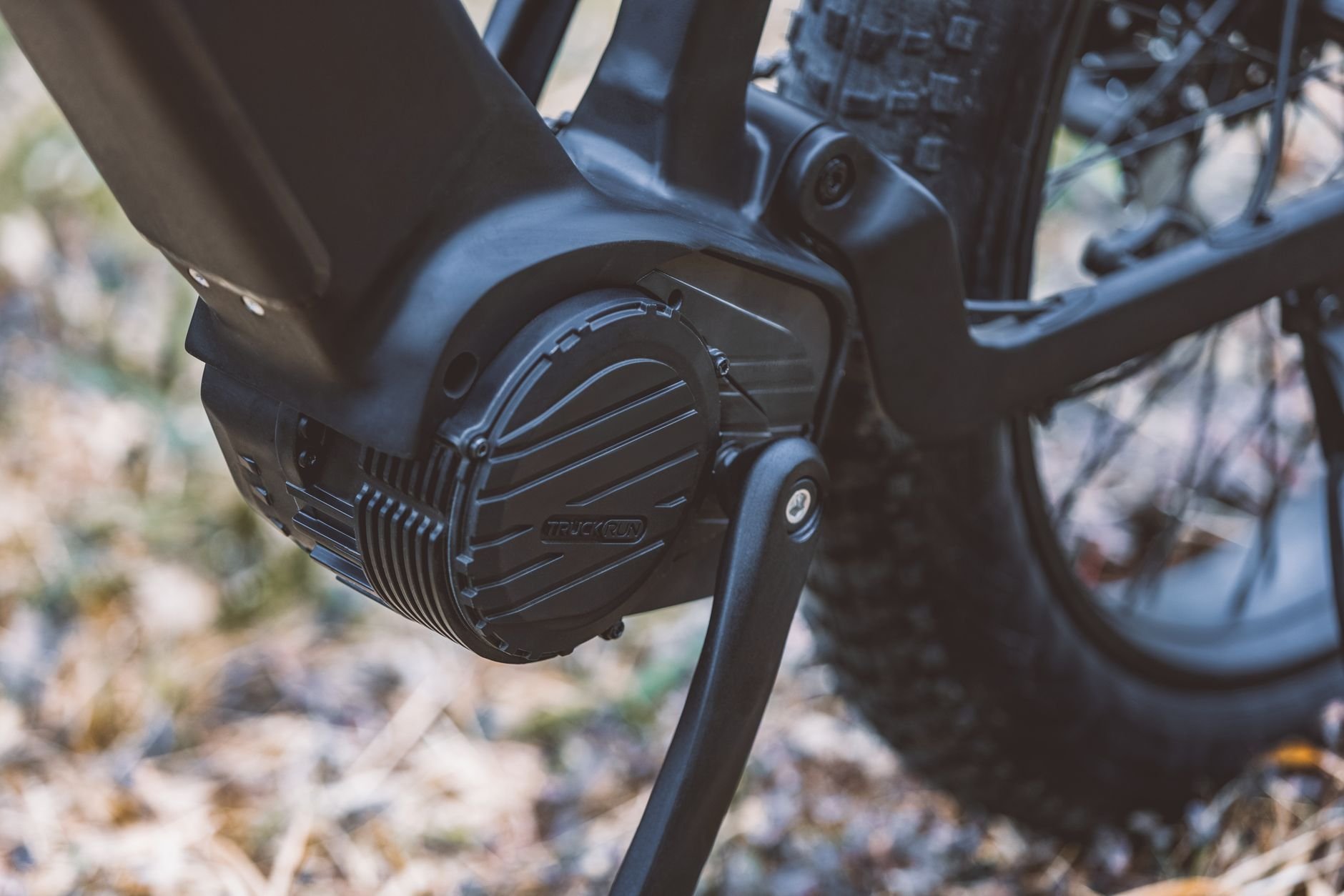
A mid-drive unit mounts at the bottom bracket and drives the chainring instead of the wheel. One example, the Bikee kit, is described as delivering up to 1500 W and 160 Nm from a motor under 5 kg, and it was listed at AUD 1,700.00 on sale. Because the mounting point is the crank area instead of a wheel axle, the job is a different one from a wheel swap, and the frame’s bottom-bracket shell must suit the unit. Choose a mid-drive if you value a centrally placed motor and are prepared for a more involved fit.
Two kits side by side
Comparing two documented kits shows how different the same label can be. One is a rear geared hub kit with a separate pack; the other is a front wheel with everything built in.
| Kit | Motor and placement | Battery | Stated range | Listed price | Planning use |
|---|---|---|---|---|---|
| Voltaire 500 W | Rear geared hub, 500 W | 48 V, 10 Ah Li-ion | 12-26 miles | $1,473.00 USD | Suits riders who want rear-wheel traction and a higher-voltage pack, and who can mount a separate battery. |
| E-Switchy Switch One | Front wheel with integrated motor, battery and controller; 250 W rated, 500 W peak | 42 V, 5.8 Ah Li-ion | Up to 55 miles in assist mode; varies with conditions | $679.95 USD sale (regular $839.00) | Suits riders who want fewer parts to mount; check front-wheel traction on loose surfaces. |
Figures come from the Voltaire retailer page and the E-Switchy manufacturer page.
The ranges look far apart, but they are not a like-for-like contest. The Voltaire range is a span, and the E-Switchy figure is an upper claim for assist mode with a stated caveat that range varies with numerous factors. Treat both as best-case guidance, not a promise for your route. The motor rating also deserves a careful read, because E-Switchy separates rated power from peak power, and the lower rated figure is the one that describes continuous capability.
Setting a budget
Higher up, Dillenger’s premium offroad kit was shown on its own site at a $529.00 sale price against a regular $1,329.00.
Three practical lessons follow from these listings:
- Check what is in the box. Confirm that battery, charger, controller, throttle or assist sensor and brake levers are included before comparing totals, and add shipping where it is charged separately.
- Treat sale prices with care. Several listings show a sale price beside a much higher regular price, so compare kits on specification, not on the size of the discount.
For a ranked shortlist rather than raw listings, use best electric bike conversion kits. Whatever you pick, include the cost of any tool or part your bike needs that the kit does not supply.
Power, battery and range
Power ratings in the listings range from 250 W to 1500 W, and battery voltages from 42 V to 48 V, so decide your legal ceiling before you shop by power. The 250 W rated, 500 W peak motor on the E-Switchy shows why: a single product can carry two power numbers, and the figure that regulators and spec sheets rely on may not be the headline one.
Rules on motor power and speed differ by region, so read the local requirements for the places you will ride before you pay. are ebike conversion kits legal explains how the rules apply to kits, and a higher-wattage kit may not be usable as a road e-bike in your area even if it is sold freely online.
On the battery side, the two documented kits use a 48 V, 10 Ah pack and a 42 V, 5.8 Ah pack. Higher voltage and amp-hour figures usually go with larger packs and longer stated range, but the kit’s own claims are the safest guide. The E-Switchy claim of up to 55 miles in assist mode carries a note that range may vary, and the Voltaire range is given as a span of 12-26 miles. Plan around the lower end for commuting with hills, stops and throttle use.
Installing a kit
A hub-motor installation is mostly a wheel swap plus wiring, and it is the most manageable route for a first conversion. The whole job is covered step by step in how to install an ebike conversion kit, and the wheel-specific version is how to install a rear hub motor on a bicycle. Always follow the manufacturer’s manual where it differs from the outline below.
Hub motor sequence
- Confirm the match. Check wheel size, tyre width and dropout spacing against the kit before anything is removed.
- Remove the existing wheel. Release the brake if needed and take the wheel out of the frame or fork.
- Fit the motor wheel. Seat the axle fully in the dropouts, with the cable leaving the axle in the direction the manual specifies.
- Tighten the axle nuts. Use the torque value in the manual, and fit any torque arm supplied with the kit.
- Mount the battery. Secure it on a rack or frame mount so it cannot shift or vibrate loose.
- Connect the controller. Plug the harness into the battery, motor and controls using the keyed connectors, and tidy loose cable away from moving parts.
- Fit the controls. Add the throttle or assist sensor, the display, and any brake cut-off levers.
- Test before riding. Check the motor with the wheel off the ground, then check brakes and cut-off at low speed.
Front wheel kits
A front kit follows the same pattern but lands in the fork, so the fork’s dropouts and axle fit matter most. The E-Switchy approach is to replace the front wheel with its integrated unit, which removes the separate battery mounting step. The vendor-recommended preference for rear placement still applies if your riding includes gravel or climbs.
Wiring and controls
Route the harness so it clears the wheel, the crank and the steering range, and keep connectors protected from water. Bundle slack with ties or clips instead of leaving loops that can snag. Finish by checking that throttle and assist levels behave as the manual describes and that braking removes motor power if cut-off levers are fitted.
Mid-drive installation
A mid-drive fit happens at the bottom bracket, so the crank, chainring and frame shell are all involved and the work is more mechanical than a wheel swap. How to install a mid drive ebike kit walks through that job. If you are not comfortable removing cranks and bottom-bracket parts, a hub kit is the lower-risk route.
Final check
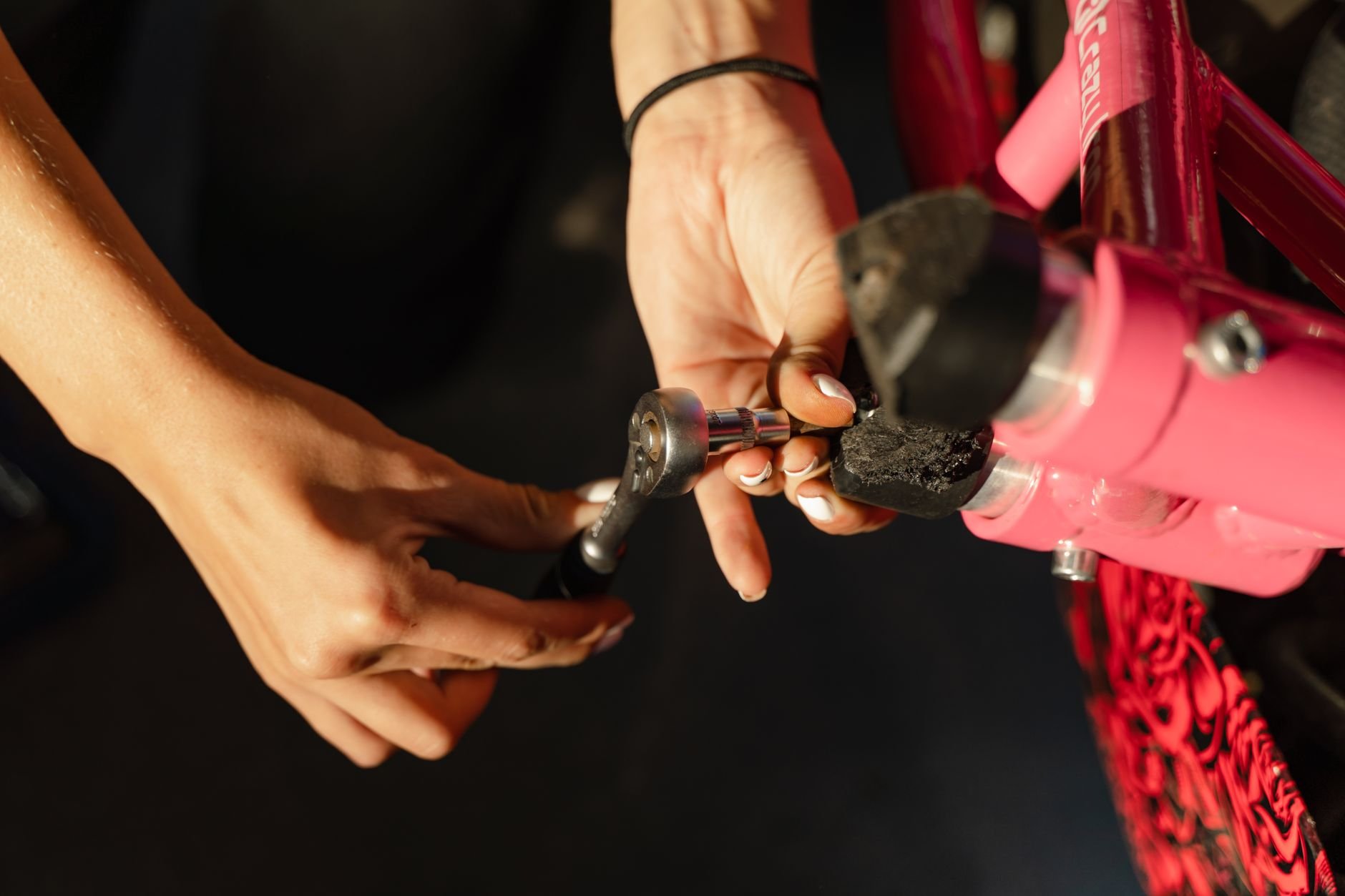
Recheck every axle nut and bolt after the first short ride, since fastenings can settle once the wheel is loaded. Use a torque wrench with the value in the manual instead of tightening by feel.
Special-purpose bikes and other drive types
Some bikes need a kit built for them, and the dedicated guides cover each case. Ride type, tyre width and wheel size are the factors that most often push you off a standard kit.
- See electric conversion kit for mountain bike.
- Wide tyres and cargo. The Voltaire kit lists tyres only up to 2.25 in (57 mm), so wider fat tyres fall outside that kit’s stated range. fat tire ebike conversion kit covers the options.
- Small wheels. Both documented kits list 16 inch wheels, which keeps compact frames in play. folding bike electric conversion kit explains what to check on folders.
- A different drive type. A friction drive electric bike conversion kit works differently from a hub or mid-drive motor, and its own guide covers where it makes sense.
Frequently asked questions
| Question | Answer |
|---|---|
| How long does a kit battery take to charge? | The Voltaire 500 W kit, with a 48 V, 10 Ah Li-ion pack and a 3 A charger, states 3 hours for a full 0-100% charge on its product page. Other packs and chargers will differ, so read the charger rating for your kit. |
| What is a geared hub motor? | It is a hub motor with internal gearing. The Voltaire kit uses an internal 5:1 planetary gear hub motor with a clutch, while other listings describe brushless gearless motors with no such gearing. |
| Can a kit be fitted to a trike? | The E-Switchy maker states that its kit fits most bikes and trikes and refers buyers to the fitment question on its product page. Confirm axle spacing and wheel size with the maker before ordering. |