Wondering how long do electric bikes last? A typical lithium-ion battery delivers about 500 to 1,000 full charge cycles, or 3 to 5 years, while motors and frames can run 5 to 10 years or more with proper care.
Picture a rider whose older e-bike now needs charging more often. The battery is the likely cause, and the rest of the bike may have years left. Our hub guide asks are electric bikes environmentally friendly across the whole bike, and lifespan is a large part of that answer.
Battery lifespan in cycles and years
The lithium-ion battery is the main wear component of an electric bicycle, and it is usually the first expensive part to need replacing. Two figures describe it. The 500-1,000 full charge cycles figure counts charging. The 3-5 years figure estimates ownership time before capacity declines. One battery guide says lithium-ion packs can survive more than 1,000 charge cycles, so the cycle rating is a range rather than a promise.
A quality lithium-ion pack can stretch further. Tern Bicycles says a quality lithium-ion battery can last anywhere from 3 to 8 or 9 years. A rider who charges daily will use up cycles faster than one who charges occasionally, so the same pack can land at either end of that range. Treat the low end as the figure to budget against and the high end as what careful use and a good pack can achieve.
Several common assumptions about e-bike lifespan do not hold up. The table sets them against what the evidence supports.
| Common belief | What is supported | Planning use |
|---|---|---|
| The whole e-bike lasts only as long as its battery. | Batteries usually last 3 to 5 years or about 500 to 1,000 full charge cycles. Motors last 5 to 10 years or more, and frames 10 years or more, with proper care. | Budget for a battery replacement during the life of the bike. Do not treat it as the end of the bike. |
| All e-bike batteries wear at the same rate. | Lithium-ion packs can exceed 1,000 charge cycles. Nickel packs manage about 500 and lead packs about 300. | Check the chemistry before buying. Lithium-ion has the longest cycle life of the three. |
| A cycle rating is a countdown to a dead battery. | The 500 to 1,000 figure is the point before capacity declines. It marks gradual loss of range, not sudden failure. | Expect range to shrink gradually and plan the replacement when it stops fitting your routes. |
| More charge cycles only means more charging. | Each charge on a standard e-bike gives roughly 100 to 120 km of range. | Cycle life is the number of such trips a pack can deliver, so a longer-lived pack means more riding per battery. |
Figures come from e-bike longevity guidance and a battery lifespan guide; both are manufacturer or retailer material, so read them as typical values rather than guarantees.
How lifespan changes the carbon sums
An e-bike’s manufacturing emissions are a one-off cost paid before the first ride. The longer the bike keeps delivering kilometres, the more riding that cost is spread across. That is why lifespan and carbon payback cannot be separated.
The pack is the swing factor. Each charge carries a rider roughly 100 to 120 km on a standard electric bike, according to the same battery guide. A battery that keeps its capacity through many cycles keeps delivering those kilometres. One that fails early forces the manufacture of a replacement, which adds new emissions without adding to the total distance of the original bike.
No single payback distance fits every e-bike, because the answer depends on how the bike is built, what the rider would otherwise use and how far the bike actually travels. The decision rule is simple. Ride a bike you intend to keep, protect its battery and repair rather than replace where you can. Those choices move the result in your favour more than any single product claim. Short, infrequent use over a few years is the weakest case for payback.
Habits that extend battery life
Charging and storage habits are the cheapest way to stretch a pack towards the top of its range. They cost nothing and apply to any lithium-ion battery.

- Charge inside a middle window. Charging between 20% and 80% rather than through full cycles reduces battery stress, according to longevity guidance for e-bikes. This suits riders who can top up at home or work and do not need maximum range every day.
- Avoid running flat. Do not run the battery down to 0%. A battery care guide advises recharging when it has been used about halfway. Save deep discharges for the rare long day.
- Store it cool and dry. Temperature and humidity both affect battery life, so keep the pack indoors rather than in a damp shed or a hot vehicle. Do not leave a pack unused for long stretches.
- Do not let it self-discharge. Excessive self-discharge can cause irreparable damage, so a battery left for months should not be forgotten at a low charge.
If you ride long routes every day, the middle-window habit may cost you range. In that case the halfway-recharge rule is the more practical compromise, because it still avoids the deepest discharges. Neither habit stops capacity from declining over time. They slow the decline.
Motors, frames and wear parts
Motors and frames are far more durable than the battery. They can last 5 to 10 years or more with proper care, according to the same longevity guide. A well-treated frame can outlast the first battery and the first motor.
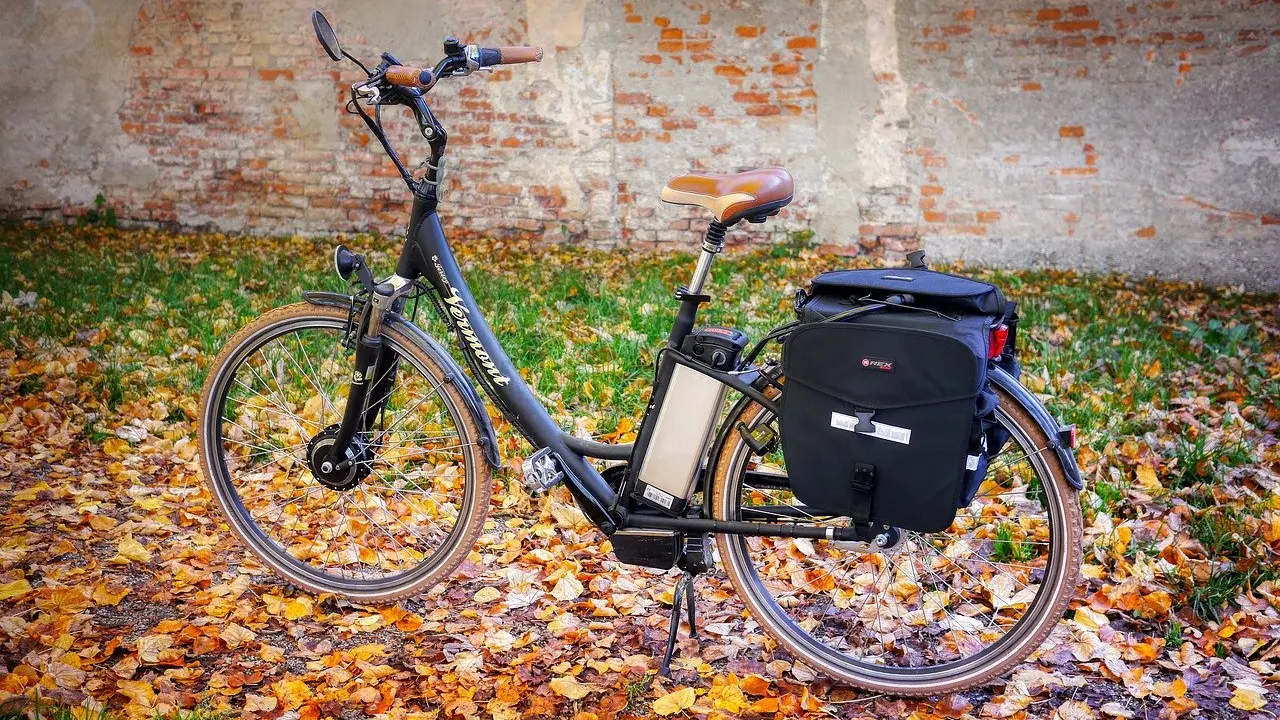
The type of motor changes what a fault means. Hub motors are sealed inside the wheel, and Tern notes they are difficult to repair and often require full replacement. For a buyer, that points to choosing a motor from a maker that will supply parts and service. A repairable system keeps the rest of the bike in use and avoids the extra emissions of a whole new one.
Heritage matters here too. Today’s sealed hub motors descend from early bolt-on drive systems, and readers curious about who invented the electric bike will find that history covered separately.
Warranty, replacement and end of life
Warranty
A two-year manufacturer warranty is the minimum worth looking for on a battery, according to the battery guide cited above. Compare that period with the 3 to 5 years a typical pack lasts. A warranty covers the first part of the pack’s life and does not guarantee the rest. Read what it counts as a fault and whether capacity loss is included.

Replacement and end of life
Replacing a battery is the usual end-of-life step for a pack, and it is not standardised. Tern points out that there is no universal industry standard for e-bike batteries, so replacements depend entirely on the manufacturer. Before buying, ask whether the maker will still sell a compatible pack in several years. Expect several hundred dollars for a replacement, depending on capacity and chemistry.
That cost is the practical test of whether a bike is worth keeping. If the frame and motor are sound and a compatible pack is available, replacing the battery keeps the rest of the bike in service. If the maker has stopped supplying packs, the bike may be retired early whatever its mechanical condition. Retired packs should go to a battery recycling point rather than household waste. Ask the shop or manufacturer where to take them.
Frequently asked questions
| Question | Answer |
|---|---|
| How many charge cycles does a battery typically deliver? | Lithium-ion e-bike batteries usually deliver about 500 to 1,000 full charge cycles, and some survive upwards of 1,000. |
| Can a battery last longer than five years? | Yes. A quality lithium-ion pack can last 3 to 8 or 9 years, according to Tern Bicycles. Charging habits and storage decide where in that range a pack ends up. |
| Are nickel or lead batteries a good alternative? | Not for longevity. Nickel packs withstand about 500 charge cycles and lead packs about 300, and lead packs are heavier, according to the same battery guide. |
| Does the motor wear out before the battery? | Usually not. Motors can last 5 to 10 years or more with proper care, which is longer than a typical battery, though a sealed hub motor often needs full replacement when it fails. |
| What does a replacement battery cost? | Several hundred dollars, depending on capacity and chemistry, according to e-bike replacement cost guidance. |