Are electric bikes eco friendly? Mostly yes, when they replace car trips: riding produces no tailpipe carbon, and the footprint comes from manufacturing, charging and battery disposal. They are not impact-free, and the benefit depends on what the trip would otherwise use.
This page weighs the gains against the costs. For the wider question of whether are electric bikes environmentally friendly, the Electric Bikes as Green Transport guide covers the topic more broadly.
How an e-bike’s impact builds up
An e-bike’s environmental cost arrives in stages, and only one of them happens while you ride. Following those stages in order shows which claims are solid and which depend on conditions.
Riding: no tailpipe carbon
As one owner’s written analysis of e-bike impact puts it, riding an e-bike does not produce a single molecule of carbon. That is a statement about the ride, not about the whole product. It explains why e-bikes compare well with cars on the road and why the real debate sits in the other stages.
Charging: the electricity behind the ride
A comparison of e-bikes with petrol-engine bicycles locates the impact mainly in the electricity used to charge the battery, together with battery manufacturing and disposal. Charging therefore moves the emissions from the tailpipe to the power station. A retailer’s overview of environmental benefits adds that even when the electricity comes from non-renewable sources, e-bikes still have a much lower environmental impact. No figure is given for that gap, so treat it as a direction rather than a number.
Manufacturing and disposal: where the debt is incurred
Before the first ride, the battery, motor and frame have already carried a footprint. That is why the comparison with a car should be made over the whole life of the bike, in the way a life cycle assessment frames it, and not from the riding stage alone. The same comparison explains why lifespan matters so much, covered below.
Battery and motor materials: the main trade-off
The battery is where an e-bike’s green claim is most open to challenge. Lithium-ion packs depend on mined metals, and the motor adds its own materials.
What is inside the battery
The example pack described in the owner’s analysis is a 48 V lithium-ion unit that contains nickel, manganese, cobalt and lithium. Different models will vary, so use that as an illustration of the kind of materials involved rather than a specification for every bike.
Cobalt and labour concerns
The same analysis notes that most cobalt comes from the Democratic Republic of Congo, where child labor is described as a persistent problem. This is a social and supply-chain downside rather than a carbon figure, and it is a fair reason to keep a battery in service as long as possible rather than treating packs as disposable.
Magnets in the motor
Many e-bike motors are driven by a permanent magnet made with rare earth metals, including neodymium, praseodymium, dysprosium and terbium. These are another mined input that sits behind an otherwise quiet, tailpipe-free machine. A buyer cannot do much about the magnet, but the choice of a durable, repairable bike spreads that material cost over more riding.
Lifespan, repair and end of life
The longer an e-bike stays in use, the better its footprint looks. The comparison with petrol-engine bicycles credits e-bikes’ longer lifespan, lower maintenance needs and cleaner operation for a smaller overall carbon footprint. The reverse also follows: a bike abandoned early gives up that advantage.
Wear parts and everyday maintenance
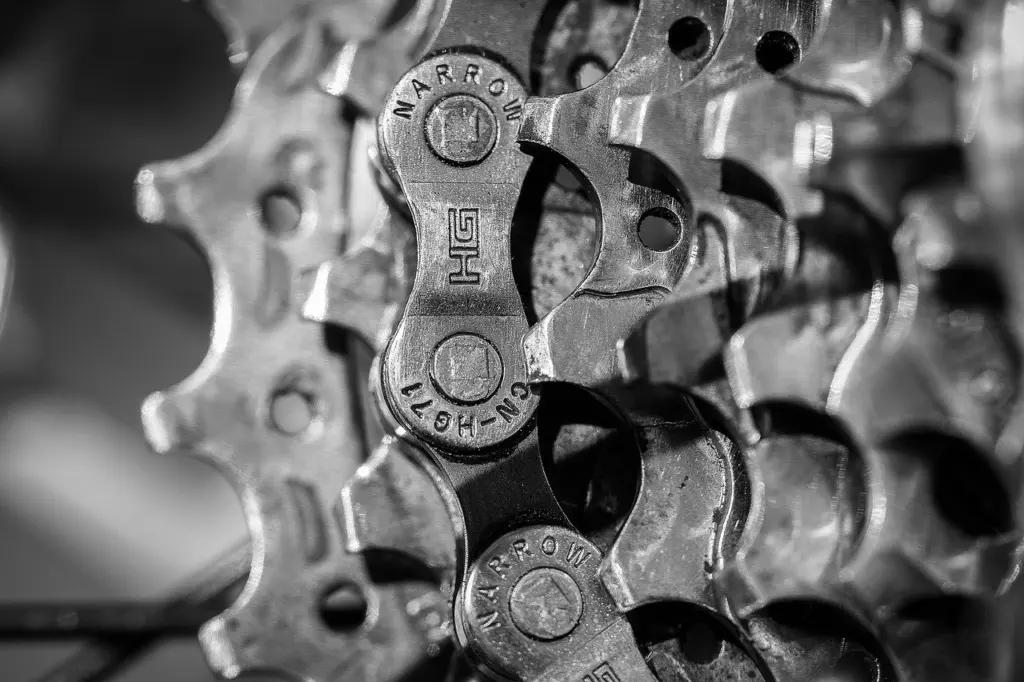
Chains, tyres and similar wear parts are ordinary replacements on any bike, and replacing them is a normal way to keep a frame and motor going. Treat a worn chain as a repair job, not a reason to replace the whole bike.
Replaceable batteries
On some models, a removable battery reduces the need to replace the entire bike when the pack degrades, according to an e-bike brand’s overview of sustainable production. If you are choosing between models, a pack you can swap is a practical argument for the one you will keep longest.
Recycling the old pack
Disposal is the e-waste end of the story. At least one major manufacturer, Trek, partners with the nonprofit Call2Recycle to recycle old e-bike batteries, so a take-back route can exist. Ask the seller of a bike what happens to a worn pack before you buy. For the full picture of packs and their afterlife, see the guide to ebike battery environmental impact.
When an e-bike clearly beats a car
An e-bike wins most clearly when it displaces a car trip. The owner’s analysis frames the greatest potential benefit as replacing cars, not as replacing conventional bikes. This is the idea of mode shift, and it is the single most useful test for any buyer: what would I have used for this journey?

The same analysis concludes that an e-bike does not help the planet on its own, but hurts it much less than driving a car. That is a sensible reading of the evidence: the e-bike is a lower-harm choice, not a positive act. If the alternative to your trip is walking, a regular bicycle or simply not going, the e-bike adds impact rather than removing it.
Public transport is a different comparison from the car one, and it deserves its own treatment; see the guide on ebike vs public transport carbon footprint.
What affects the balance most
Three things move the verdict more than any other: what the e-bike replaces, how long it lasts and what the battery is made of and where it ends up. The grid behind your charger matters too, though the evidence says even a non-renewable grid leaves e-bikes well ahead on impact.
| Claim | Holds when | Planning use |
|---|---|---|
| Clean to ride | The comparison is limited to the ride itself, with no tailpipe carbon | Do not stop the comparison here; manufacturing and charging still count. |
| Better than driving | The e-bike replaces car trips, not conventional bike trips | Check what your own trips would otherwise use before buying. |
| Mineral supply is a concern | The pack contains cobalt, much of it from the Democratic Republic of Congo, and the motor uses rare earth magnets | Keep the battery in service as long as possible. |
| Smaller overall footprint | The bike has a long lifespan and low maintenance needs | Favour repairable bikes and, where offered, a removable battery. |
The table draws on the owner’s written analysis and the petrol-engine bicycle comparison.
A practical decision rule
Buy an e-bike for the environment if it will replace regular car journeys and you intend to keep and repair it. Wait, or choose a conventional bike, if your trips are short enough to cycle unaided or you tend to replace equipment quickly. The comparison with petrol-engine bicycles describes its overall rating for e-bikes as moderate rather than negligible, which is a fair summary: much better than the car, short of free.
Pros and cons in brief
- Pro: no tailpipe carbon. Riding does not emit carbon, and charging emissions depend on the electricity used.
- Pro: lower impact than a car. The gain is largest when the e-bike displaces driving.
- Con: mined materials. Nickel, manganese, cobalt and lithium in the pack, and rare earths in the magnet.
- Con: battery end of life. Disposal contributes to the impact, so a recycling route matters.
Frequently asked questions
Do e-bikes make noise?
They operate quietly because of their electric motors, which is a small environmental and comfort benefit compared with engine-driven vehicles.
Can an old e-bike battery be recycled?
Some brands run take-back schemes; Trek, for example, partners with the nonprofit Call2Recycle. Ask the seller about the options for your model.
Does an e-bike help the planet by itself?
Not on its own. The owner’s analysis concludes that it harms the planet much less than a car does, so the benefit comes from the trips it replaces.