What is an electric bike conversion kit? It is a set of parts that adds a motor, battery and controls to an ordinary bicycle. Most bikes can take one, but mid-drive designs carry fit restrictions.
Kits are one route to electric assist within the wider bicycle electric conversion kit topic. This page defines every part and answers the fit question, and leaves buying decisions to the dedicated guides.
How a conversion kit adds electric assist
A kit places an energy store, a power regulator and a motor between the rider’s inputs and the wheel or crank. The bike’s own frame, wheels and brakes stay in use, and the new parts connect to each other in a set order.
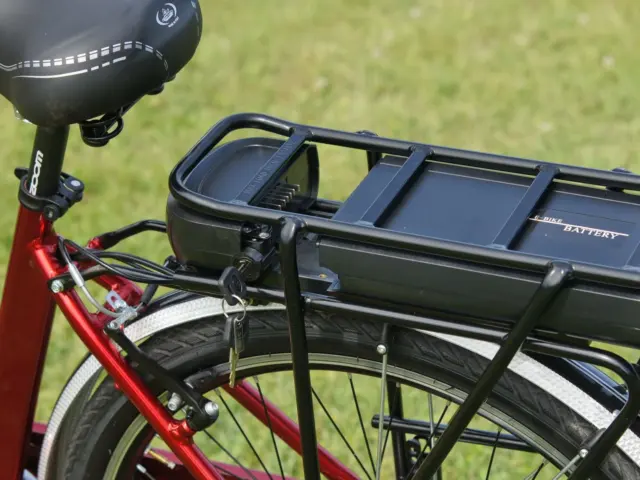
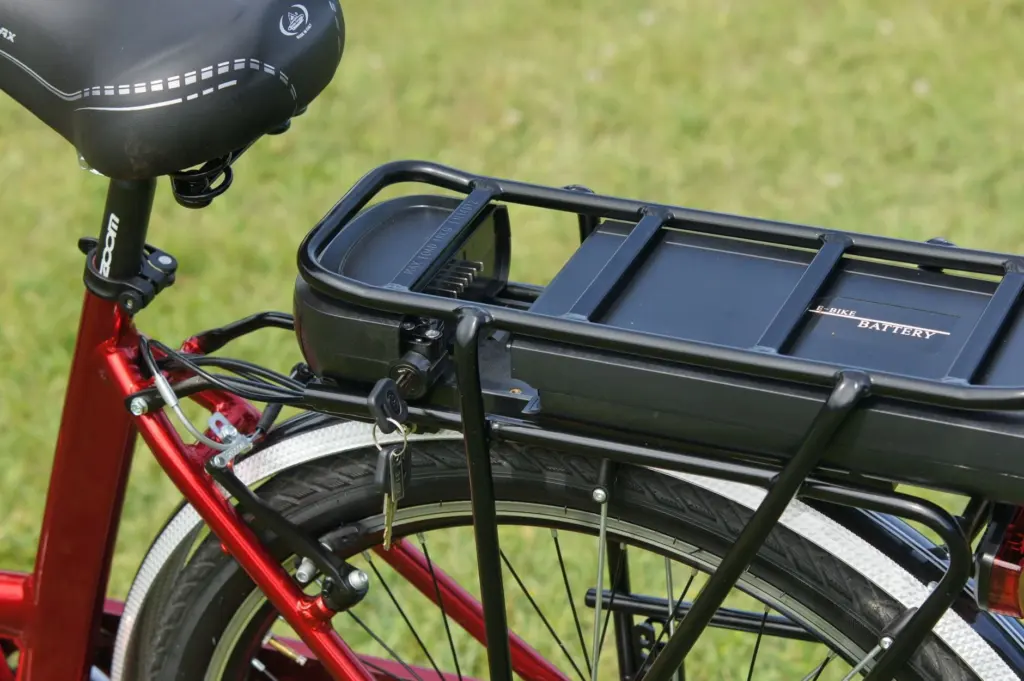
- Battery stores the energy. A component guide from Gyroor states that no electric bike conversion kit is complete without a battery.
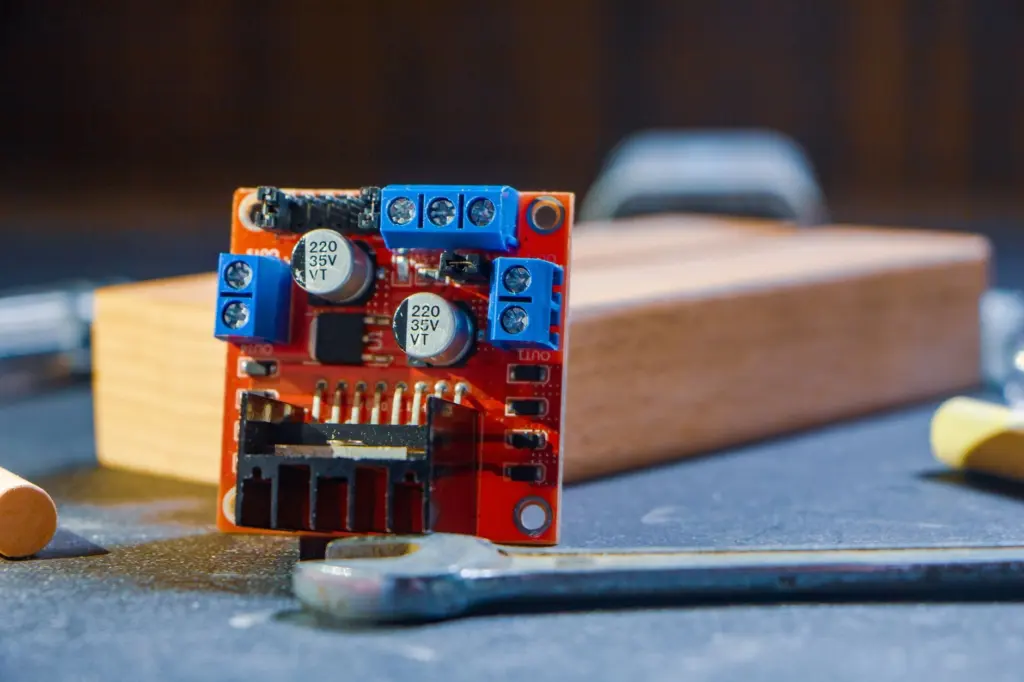
- Motor controller regulates the flow. It manages power flow from the battery to the motor, so every electrical instruction passes through it.
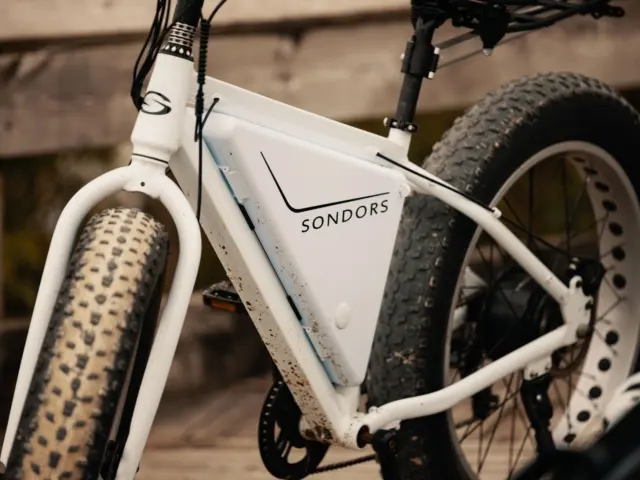
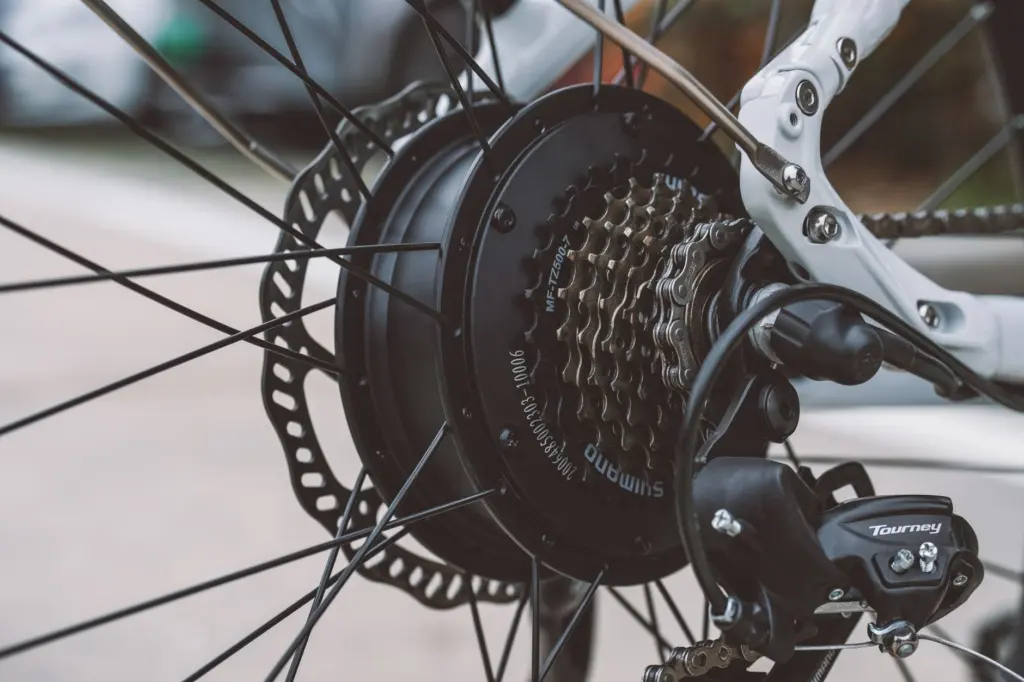
- Motor delivers the drive. A hub motor is built into the front or rear wheel hub. A mid-drive motor is mounted near the bottom bracket and drives the crankset.
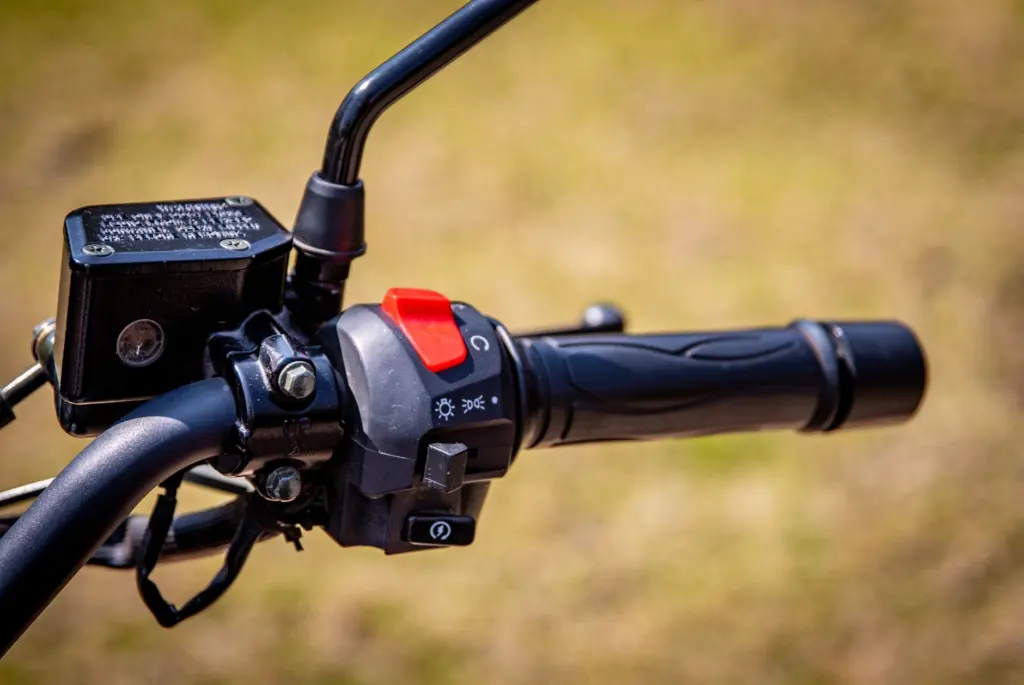
- Rider inputs set the power. A throttle gives power on demand, while a pedal assist sensor detects pedalling and adds proportional assistance.
- Brake cut-off removes the power. Brake sensors cut motor power when the brakes are applied.
The wiring harness links the motor, battery and controls into one working system. Without it the other parts have no path to talk to each other, which is why the controller and harness are best thought of as the nervous system of the kit.
Parts in a standard kit
Most kits bundle the same core parts, though the exact contents differ by seller. The table sets out each part with a decision it feeds into.
| Part | What it does | Planning use |
|---|---|---|
| Hub motor or mid-drive motor | Turns the wheel from the hub, or drives the crankset from near the bottom bracket | Decides which part of the bike is modified and which fit limits apply |
| Lithium-ion battery | Stores the energy that powers the motor | Confirm it is listed in the box before comparing prices |
| Motor controller | Regulates power flow from the battery to the motor | The central part every other electrical component connects through |
| Throttle | Twist-grip or thumb lever that gives power on demand | Suits riders who want power without pedalling |
| Pedal assist sensor | Detects pedalling and gives proportional assistance automatically | Suits riders who want the motor to respond to their effort |
| Brake cut-off switch | Cuts motor power when the brakes are applied | Look for it on the parts list rather than assuming it is included |
| Display unit | Readout unit supplied with many kits | Not guaranteed, so check the listing |
| Wiring harness | Links the motor, battery and controls | Check that the cables reach the places the parts will be mounted |
These part descriptions follow the Gyroor kit components guide.
The battery deserves a check of its own. A Kirbe Bike article notes that most conversion kits do not come with their own batteries, so a low kit price may leave out the most expensive part of the system.
The rider-facing parts matter most day to day. Throttle and pedal assist suit different riding styles, and a kit can offer either or both. The brake cut-off switch is a safety part rather than a comfort feature, since it stops the motor pushing against the brakes.
Motors, power and battery voltage
The motor type is the biggest difference between kits, because it decides where the drive sits on the bike. A hub motor lives in the front or rear wheel hub, so fitting means swapping or lacing in a wheel. A mid-drive motor works through the crankset near the bottom bracket instead. The full trade-offs are covered in the guide to hub motor vs mid drive conversion kit choices.
Power ratings in kits range from 250W to 1000W or more, according to the Gyroor guide. A retail listing on the Kirbe Bike site shows the lower end of that range: a 250W front-wheel kit offered in 36V and 48V versions. Treat the top of the range as a ceiling that kits can reach, not a sensible starting point. The right rating depends on how the bike will be used and on the rules where it will be ridden.
Battery voltage is typically 36V or 48V, and higher voltage provides more power. Lithium-ion is the most common chemistry in kits because of its light weight and long lifespan. A higher voltage pack therefore pairs with a motor meant to use it, so motor and battery are best judged as a matched pair rather than separately.
Can you convert any bike to electric?
Almost any bike can be converted, with one main condition: the motor type must suit the frame. Hub motor kits go into the wheel, so they place few demands on the frame. Mid-drive kits are the only type with restrictions, according to an Ebikessentials comparison of e-bikes and kits.
The restriction comes from frame geometry. The bike must meet certain physical characteristics, such as the size of the centre pole and the height of the pedals. A mid-drive kit therefore needs checking against the exact frame before purchase, while a hub kit mainly needs the right wheel position.
Different bike types raise different questions, and the page on an electric conversion kit for mountain bike frames takes those on. If a bike’s frame is the sticking point, a hub motor in the front or rear wheel is the usual way round it.
Conversion kit versus factory electric bike
A factory electric bike arrives with all the major elements ready for use, as the Ebikessentials comparison puts it. The battery, motor and control are supplied together and designed as one machine. A kit hands that integration job to the owner, who fits separate parts to a bike that already exists.
That trade suits riders who already own a bike they like. It also means the quality of the result depends on how well the parts match the frame and each other. A factory bike removes that matching work, while a kit gives choice over the motor type, power and battery.
Installation time and tools
Fitting a kit calls for comfort with hand tools, since the Kirbe Bike article says you must be comfortable handling tools like wrenches and screwdrivers. No single installation time applies across kits, because effort varies. A Gyroor guide to UK kit rules notes that some kits are DIY-friendly, while others may require professional help.
Anyone unsure about wheel fitting or cable routing should treat professional installation as a normal option. It is a better choice than forcing a fit on a mid-drive kit whose frame requirements are unclear.
Frequently asked questions
Where is the battery mounted on a converted bike?
Many kits mount it on the downtube or on a rear rack. Which one suits a bike depends on the frame and the kit’s mounting hardware.
What does the display on a kit show?
Where a kit includes a display unit, it shows battery level, speed and the assist level. It is an optional extra in some kits rather than a standard part.
Does a hub motor go on the front or the rear wheel?
Either. Hub motors are built into the front or rear wheel hub, and kits are sold for both positions.