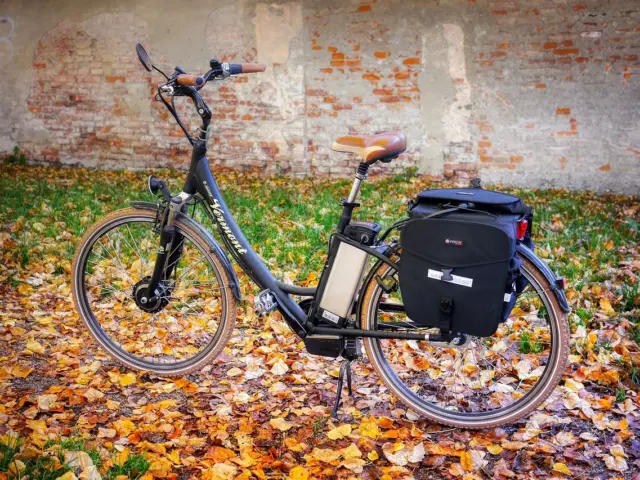
Where can you ride an electric bike? Mostly where bicycles are allowed, but state law, e-bike class and local rules decide, and sidewalks and natural-surface trails are the usual exceptions.
Picture a commute that crosses a city street, a riverside path and a park. Each stretch can answer to a different rule-maker, so the practical approach is to sort the ride by place type, then check class and jurisdiction for each stretch. For the wider case for swapping car trips for a bike, our overview of electric bikes as green transport tackles are electric bikes environmentally friendly in detail.
Class and state set the baseline
Access starts with two labels: the class of your bike and the state whose traffic law applies. Classes are defined by how the motor assists and how fast it does so. In a Michigan mountain-bike association’s description, a Class 1 e-bike cuts out at 20 mph. In North Carolina, a Class 3 e-bike is pedal-assist only with a maximum of 28 mph.
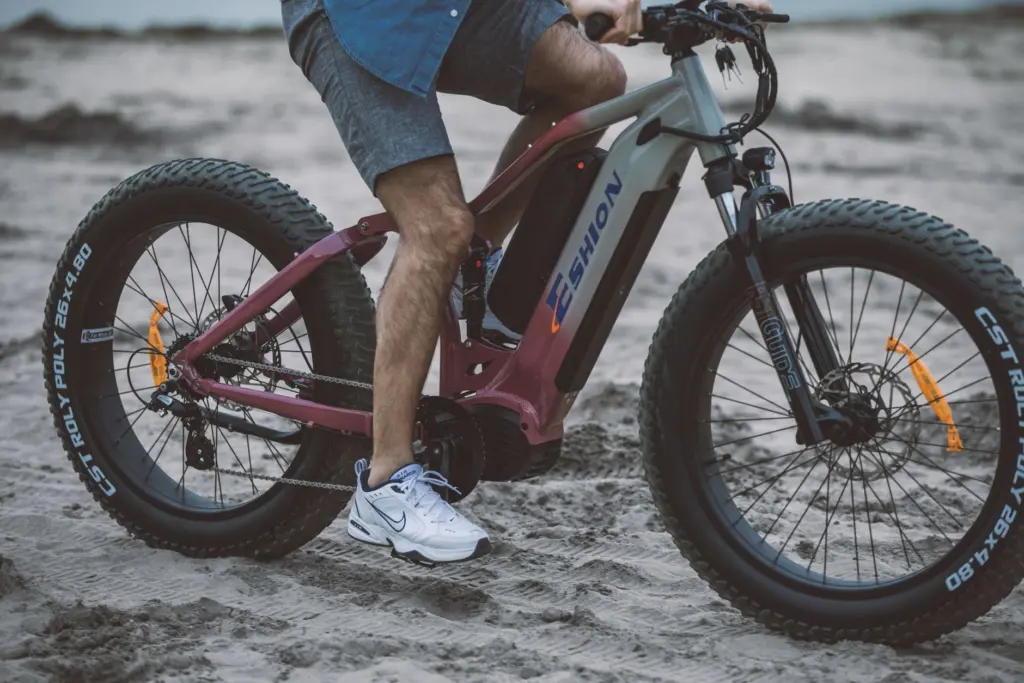
The faster class is the one that rules single out in the examples below. A Washington summary notes that Class 3 e-bikes may be banned from certain areas for safety reasons. Find your bike’s class before you read any local rule, because the answer for the same path can change from one class to the next.
State traffic law sets the default for roads, and cities, parks and land managers add their own rules on top. The same Washington summary warns that local ordinances may differ from state law, especially in cities and parks. Treat a state-level answer as a baseline, not the final word. If you want the background on how e-bikes reached the road at all, see who invented the electric bike.
Roads and bike lanes
On-road riding is the easiest case to resolve. In North Carolina, all classes are permitted in bike lanes unless restricted locally. That wording is typical of how the question works: the default is open, and the exception is local.

A lane that welcomes every class in one town can still be closed to e-bikes in the next. When you plan a regular route, look for the local restriction rather than assuming the state default covers it. If a path on your route turns your class away, the bike lane or road is the first alternative to check, provided local rules allow it.
Sidewalks
There is no blanket yes or no for riding an e-bike on the sidewalk. In North Carolina, sidewalk use is regulated by local municipalities and typically not allowed for e-bikes in downtown or business zones.
Downtown and business districts are therefore where a sidewalk is least likely to be open to you. Outside those zones the answer still comes from the municipality rather than the state, so the city code or ordinance is the document to find. If the sidewalk is closed to riding, move to the bike lane or the road where local rules allow it.
Multi-use paths and shared trails
Shared paths are where class matters most. Florida’s statute, as summarised by an e-bike retailer’s guide, lets e-bikes be ridden where bicycles are allowed, including bicycle or multi-use paths. Other states split the answer by class.
- Class 1 and 2 riders: in North Carolina they are typically allowed on shared-use paths. In Michigan, Class 1 e-bikes are allowed on paved trails, subject to local restrictions.
- Class 3 riders: North Carolina notes that Class 3 may be prohibited on certain trails. In Seattle, Class 3 e-bikes are restricted from certain multi-use trails, such as Discovery Park. Check the specific path before you commit to a route.
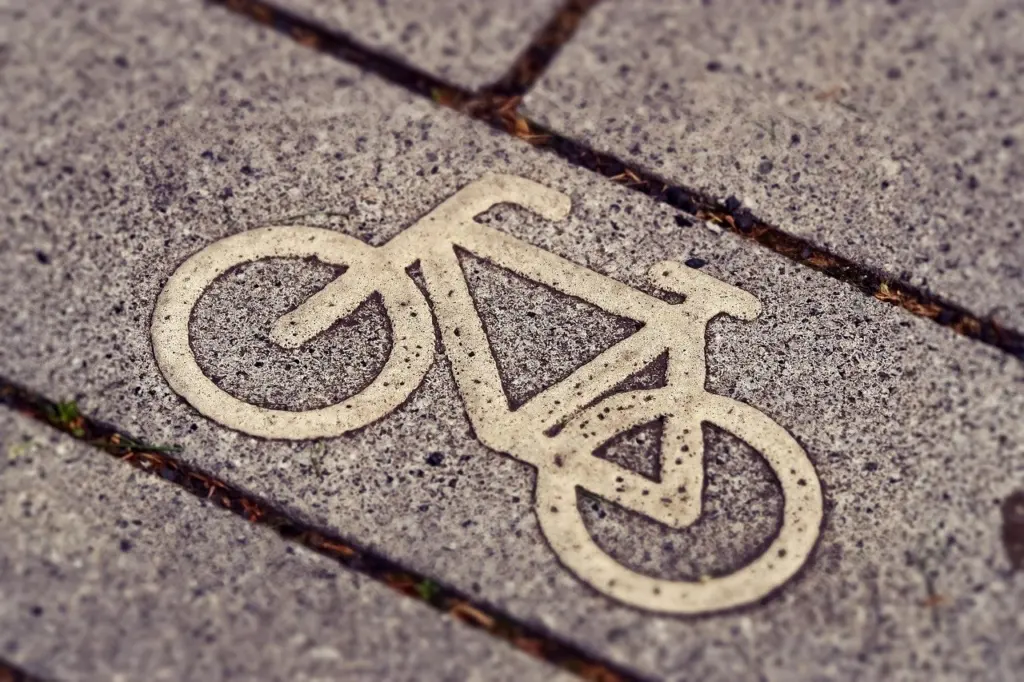
A bicycle marking on the ground is not an e-bike permit. If the surface carries only a pictogram, look for a nearby sign or the managing authority’s rule before assuming your class is covered.
Diagnosing which rule applies
When a route does not feel clear, match the place type to the rule-maker. The examples below come from two states and show how the same question gets different owners.
| Where you want to ride | What the examples show | Planning use |
|---|---|---|
| Bike lane | North Carolina: all classes permitted unless restricted locally. | Ride it by default, and look for a local exception on unfamiliar streets. |
| Sidewalk | North Carolina: set by local municipalities; typically not allowed downtown or in business zones. | Assume closed in commercial areas and read the city code elsewhere. |
| Shared-use path | North Carolina: Class 1 and 2 typically allowed; Class 3 may be prohibited on certain trails. | Confirm your class against the specific path before riding. |
| Natural-surface trail | Michigan: only with prior authorization from the Michigan DNR. | Get permission first; do not rely on a general e-bike rule. |
These rows draw on RideRight’s North Carolina summary and the Michigan e-bike guide from NMMBA.
Public land and natural-surface trails
Public land is the place type where general rules count for least. In Michigan, e-bikes are only allowed on non-motorized, natural-surface trails with prior authorization from the Michigan DNR. The same guide adds that regulation of e-bikes is at the land manager’s or owner’s sole discretion.
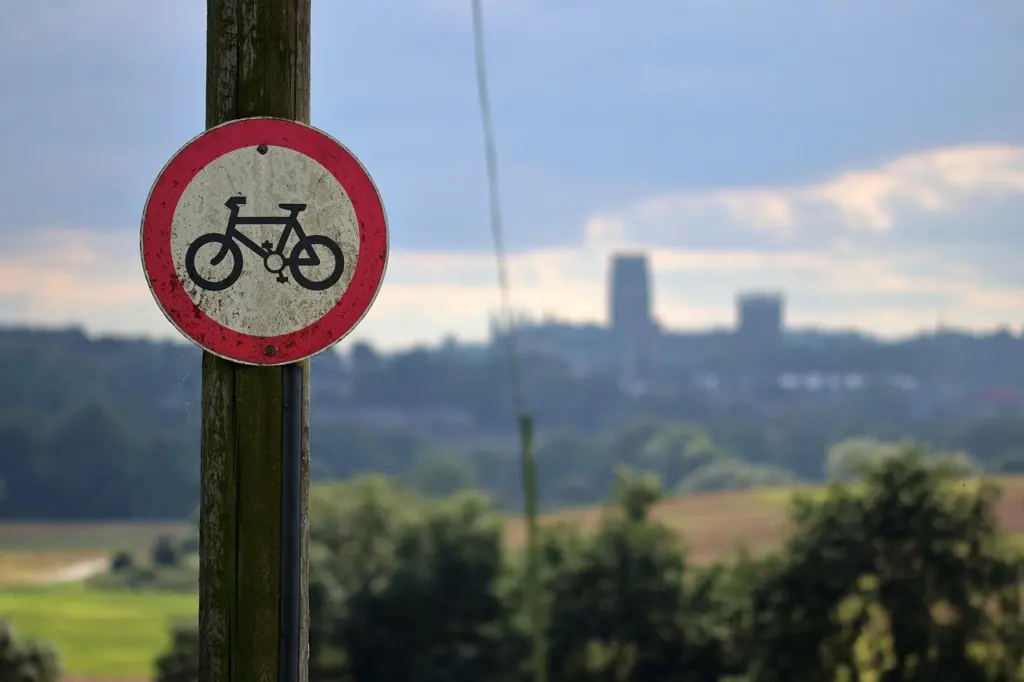
That discretion explains why two neighbouring trails can have opposite rules. In Michigan, treat natural-surface trails as closed until you hold authorization. Elsewhere, ask the land manager, because park rules can differ from state law; the Washington summary singles out cities and parks for that reason. If a sign shows only a bicycle symbol, do not guess whether e-bikes are included; the manager’s published rule settles it.
Checking the rules before you ride
A short routine keeps you on the right side of each layer of rules. Work from the broadest to the most local.
- Confirm your e-bike’s class and keep it in mind for every later step.
- Read your state’s traffic statute or motor vehicle agency guidance for the on-road baseline.
- Look up the city or park authority rules for the exact route, since local bodies can restrict what the state allows.
- For trails and public land, ask the land manager or owner and follow posted signs.
Date matters too. The Michigan guide cited here was published on 1/21/2024, so note the publication date of any summary you rely on and recheck it against the official body before a new route.
If a check turns up a conflict, these decisions usually settle it:
- State says yes, city says no: follow the local rule, since local ordinances may differ from state law.
- Your class is excluded from a path: take the bike lane or road where local rules allow it.
- Sign is ambiguous: contact the land manager rather than reading the symbol yourself.
Once your route is confirmed open, the emissions case for taking it is set out in our look at electric bike carbon footprint per mile.
Frequently asked questions
| Question | Answer |
|---|---|
| Does the motor wattage decide where I can ride? | It decides whether the bike counts as an e-bike. The Michigan guide describes an e-bike as having an electric motor of 750 watts or less. Where you may ride then depends on class, place and the local manager. |
| Are e-bikes treated like regular bicycles in California? | Generally, yes for compliant e-bikes, but local agencies and land managers can restrict e-bike use. |
| Can I rely on a state summary alone? | No. Even RideRight’s state guide advises verifying local and state laws before making decisions about e-bike use. |